MINISTRY OF INTERIOR STAKEHOLDERS ENGAGEMENT: Body of State Attorneys-General Push Reforms in Nigeria’s Correctional Service
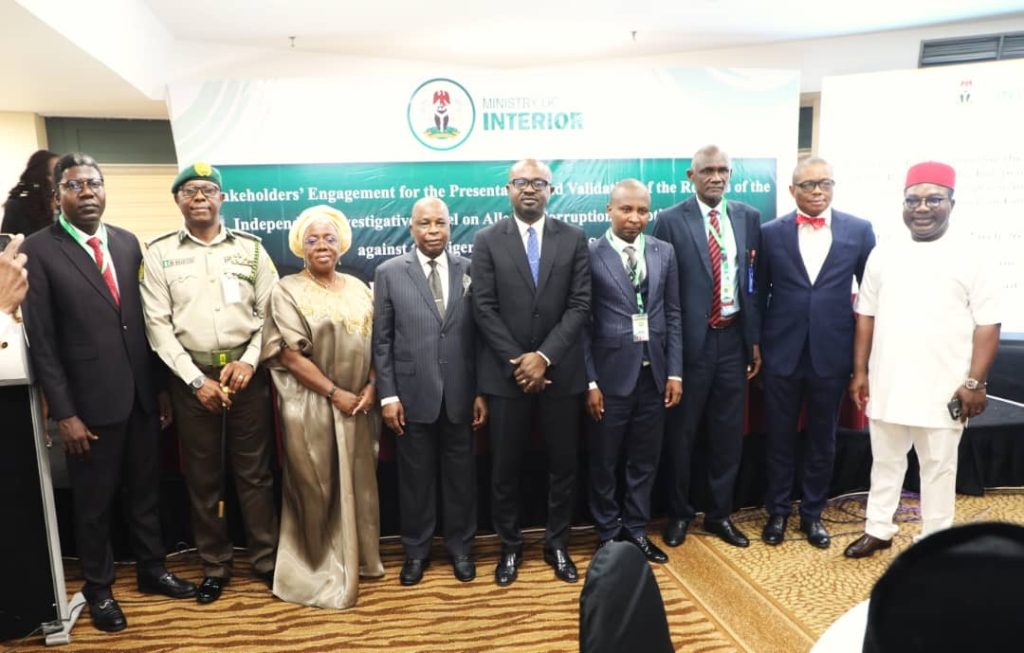
By Onwe Wisdom, Pan Afric Reporters
The Body of State Attorneys-General, which is the body of all Stats Attorneys General across Nigeria has renewed calls for urgent reforms in the Nigerian correctional system, highlighting concerns over alleged corruption, abuse of power, and inhumane treatment of inmates during a high-level stakeholders’ engagement convened by the Ministry of Interior.
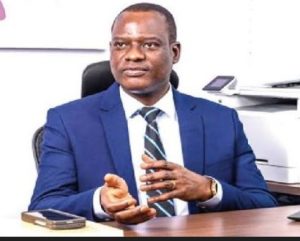
The Attorney General of Kwara State, Ibrahim Sulyman Esq. who doubled as the secretary of the body while speaking on behalf of the Body of State Attorneys-General made the call during the stakeholders’ meeting with the Federal Ministry of Interior to deliberate on the report of an independent investigative panel probing allegations within the Nigerian Correction Service.
Addressing participants, Esq. Sulyman said the forum provided a crucial platform for chief law officers to engage with key justice sector stakeholders on pressing issues affecting the correctional system.
“It gives me great pleasure to stand before this distinguished gathering of Chief Law officers of various States… to discuss the report of the independent investigative panel against series of allegations concerning alleged corruption, abuse of power, torture, cruel, inhumane and degrading treatment of inmates,” he stated.
He commended the Minister of Interior for recognizing the Body of State Attorneys-General as critical stakeholders in justice administration, noting that the body was established “to provide a platform for collaboration of performances and discharge of the constitutional powers of the office of Attorney-General across the States.”
The Kwara Attorney-General underscored the central role of the correctional service in Nigeria’s criminal justice system, recalling its transition from the former prison structure to a more reform-oriented institution.
“There is no gainsaying that the Nigerian Correctional Service is a major stakeholder in the Administration of Criminal Justice in Nigeria,” he said, adding that the reform aimed at “rehabilitation, reformation and reintegration of inmates into the society.”
However, he noted that the service continues to grapple with deep-rooted challenges.
“The Correctional Service is not without its fundamental challenges which the change of name and uniform has not been able to tackle,” Esq. Sulyman observed.
He pointed specifically to “allegations of corruption, abuse of power and degrading treatments of inmates,” which he said necessitated the establishment of the independent panel to uncover the issues and propose solutions.
Despite the challenges, he reaffirmed the commitment of state Attorneys-General to support ongoing reforms and collaborate with relevant institutions.
“As Chief Law Officers of States, we are not oblivious of the herculean tasks and responsibilities placed upon the shoulders of the Correctional Service,” he said. “We have consistently collaborated with the service at various levels and always ready to assist when called upon.”
Eso described the engagement as a demonstration of collective resolve to strengthen the justice system and protect fundamental rights, including those of inmates.
“Our gathering today is a testament to our readiness to contribute our quota in ensuring we have a country that works for all and conscious of the fundamental rights of everyone including inmates,” he added.
He urged participants to actively contribute to discussions aimed at charting a sustainable path forward.
“I urge us to contribute meaningfully to the discourse as this is aimed at shaping the future of the country,” he concluded.