Ekiti Poll: Electorate Should Set the Agenda, Not Politicians’ Narratives – IPC Director
By Pan Afric Reporters
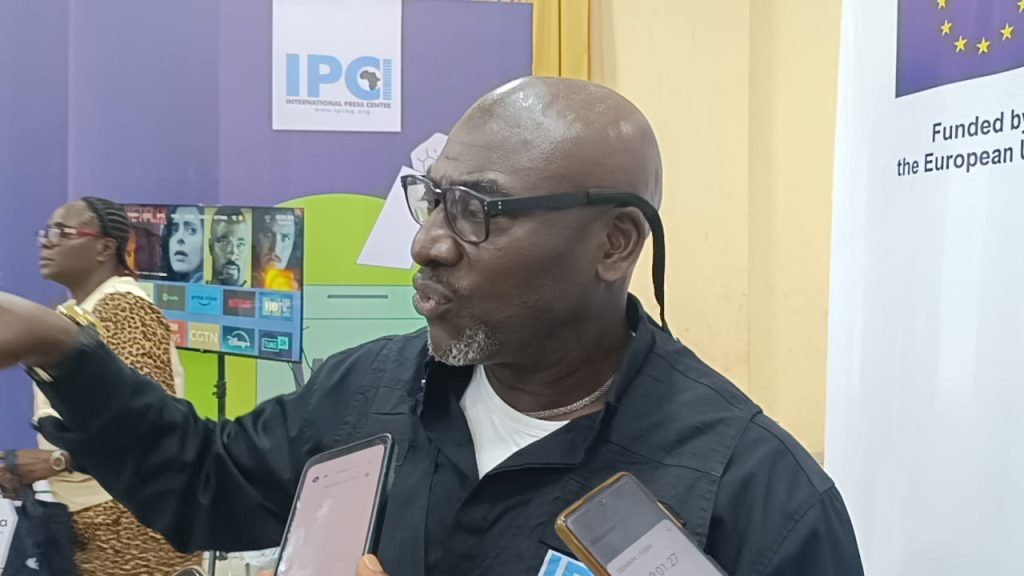
The Executive Director of the International Press Centre (IPC), Lagos, Mr. Lanre Arogundade, has challenged journalists covering the forthcoming Ekiti State governorship election to focus on issues affecting citizens rather than merely amplifying political campaign promises.
Arogundade, who spoke during an interaction with journalists in Ado-Ekiti, said the media has a critical responsibility to shape public discourse by identifying the needs and expectations of the electorate and demanding clear policy responses from political actors.
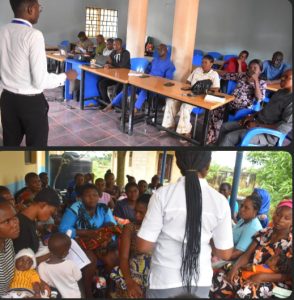
The IPC Executive Director explained that his organization, with support from development partners, had been in Ekiti for several days engaging key election stakeholders, particularly media practitioners, on professional election reporting, voter education, inclusion, and journalist safety.
“We have been here for a couple of days engaging critical election stakeholders, particularly the media, on their role in this election. We are talking about professionalism in coverage, giving voice to underrepresented groups such as youths, women and persons with disabilities, and delivering civic and voter education because many people are still ignorant about the political process,” he said.
According to him, the IPC has also prioritized the safety of journalists who will be deployed across the state to cover the election.
“Sometimes there are risks associated with election coverage. That is why we have been engaging journalists on safety issues and putting mechanisms in place to monitor and respond to incidents that may affect media practitioners in the field,” Arogundade stated.
He disclosed that the organization had established an election situation room that would monitor both the media and information environment during the polls, with a focus on identifying and countering misinformation and fake news capable of undermining the electoral process.
“We will monitor both the media and the societal landscape for misinformation, fake news and false information that can quickly be debunked because such information can create tension and problems during elections,” he said.
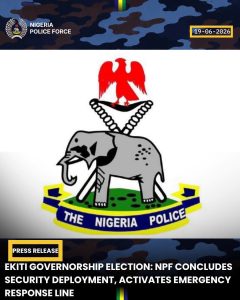
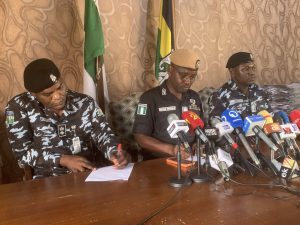
Arogundade also revealed that the IPC recently hosted the Commissioner of Police in charge of election security in Ekiti State, who assured journalists and other stakeholders that adequate security arrangements had been made to guarantee peaceful conduct of the election.
On reports circulating on social media alleging that the Independent National Electoral Commission (INEC) might allow individuals without Permanent Voter Cards (PVCs) to vote, Arogundade dismissed the claim as unfounded.
“As far as the Electoral Act is concerned, nobody can vote unless they possess a Permanent Voter Card. The law has not been amended to permit any other form of identification for voting. People should not believe such rumours,” he stressed.
He urged journalists to always verify sensitive information through official channels and help combat disinformation by providing accurate and factual reports to the public.
Assessing media performance so far in the lead-up to the election, Arogundade commended journalists in Ekiti State for their extensive coverage of electoral activities and engagements involving stakeholders such as INEC, security agencies and political actors.
“The journalists in the state have engaged in robust reporting of the election process. They have responded to invitations by INEC, security agencies and other stakeholders and have consistently reported developments from the field,” he noted.
However, he observed that more attention should be paid to capturing the views and expectations of ordinary citizens regarding governance and development priorities.
“I would have liked to see journalists getting more information from different segments of society on their expectations and what they want the next governor to do for them. Elections should not be driven solely by politicians. The media is supposed to set the agenda by identifying the priority issues of the citizens and confronting candidates with those concerns,” he said.
Despite the challenges, the IPC Director expressed satisfaction with the level of professionalism demonstrated by the mainstream media so far, noting that there had been no significant incidents involving hate speech or deliberate dissemination of false information.
“In general, we have not seen elements of hate speech or misinformation from the legacy media. There has been a reasonable attempt to comply with professional standards and the Nigerian Media Code of Election Coverage, which we have continued to promote among journalists,” Arogundade added.
He reaffirmed the commitment of the International Press Centre to supporting credible, issue-based and peaceful elections through media engagement, election monitoring and the promotion of ethical journalism practices.