SENATOR ALLWELL ONYESOH SLAMS NNPCL OVER REPEATED SNUB OF SENATE, SAYS TINUBU RESPECTS NATIONAL ASSEMBLY
By Pan Afric Reporters
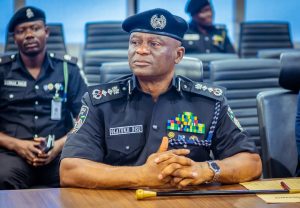
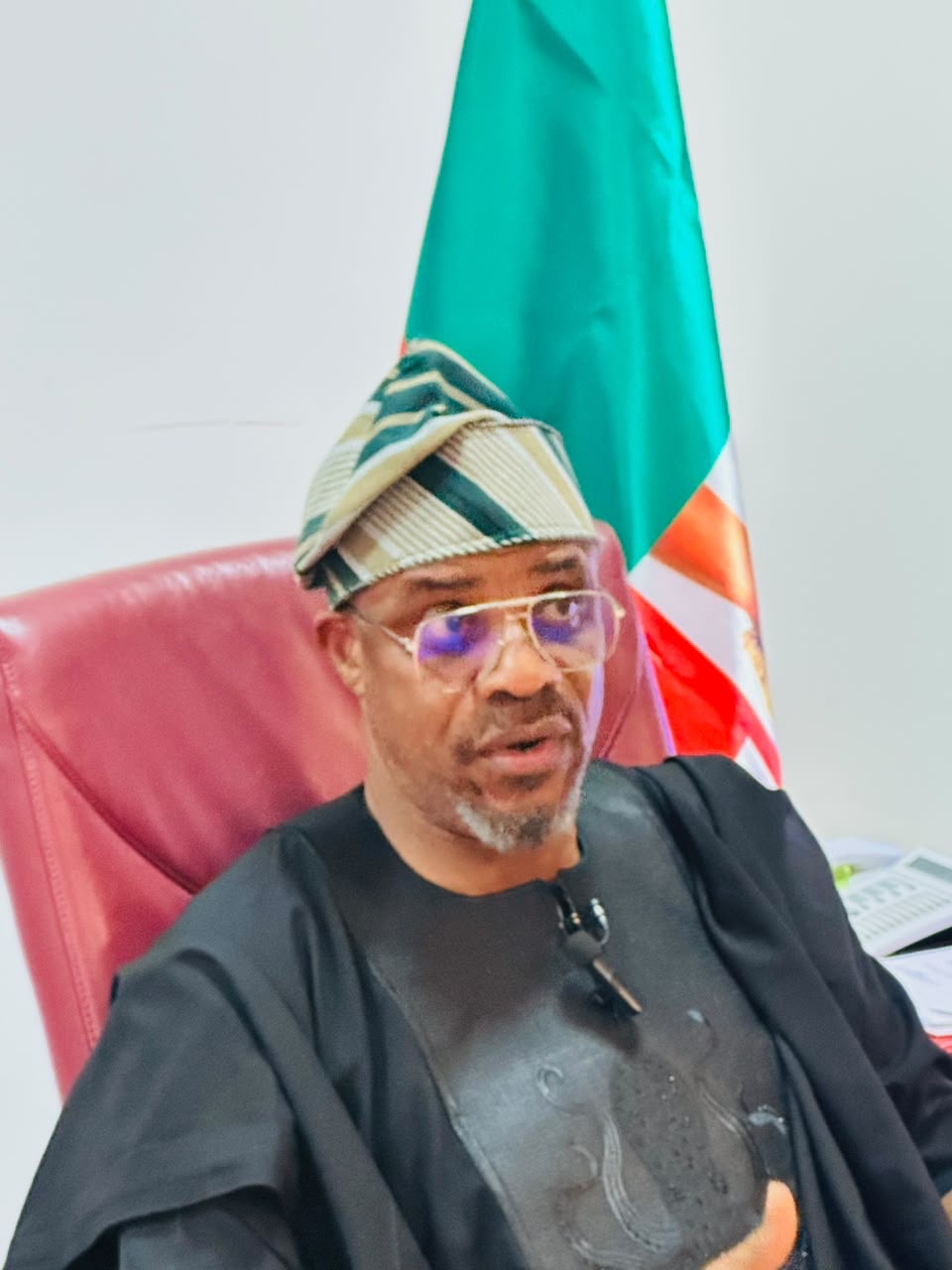
The Vice Chairman of the Senate Committee on Petroleum Resources (Upstream), Senator (Chief) Allwell Heacho Onyesoh, DSSRS, JP, has strongly condemned the persistent failure of the Nigerian National Petroleum Company Limited (NNPCL) to honour invitations extended by the National Assembly, describing the development as a direct affront to the constitutional oversight powers of the Senate and a disservice to the Nigerian people.
Senator Onyesoh according to a media report e-signed by his Special Adviser
(Publicity & Communications), Peter Oriri made the remarks while speaking with journalists after a meeting of the Senate Committee on Petroleum Resources (Upstream), which is currently investigating crude oil theft and considering amendments to Nigeria’s petroleum laws to strengthen the legal and regulatory framework governing the petroleum sector.
The Rivers East lawmaker had earlier staged a walkout from the committee meeting in protest over what he described as the recurring absence of the NNPCL’s top management at critical legislative engagements.
Expressing deep concern, Senator Onyesoh said the repeated refusal of the NNPCL’s leadership to personally appear before the committee undermines transparency, weakens legislative oversight and reflects a troubling disregard for democratic institutions.
He insisted that the committee was not seeking favours from the corporation but simply demanding facts, records and explanations necessary for effective legislative oversight.
“We are not contractors. We are simply asking questions. Give us facts. Give us records. We want to study them. That is our constitutional responsibility,” he stated.
According to him, the National Assembly has a constitutional responsibility to scrutinise the activities of government agencies, especially one that manages Nigeria’s most strategic national asset.
Senator Onyesoh also dismissed the corporation’s repeated reliance on official travel as justification for failing to honour Senate invitations, describing the explanation as both unconvincing and unacceptable.
“They keep writing letters saying they are travelling to Congo, travelling here and there, just to dodge simple things. Was the GCEO appointed to keep travelling or to work? Is Nigeria’s problem outside the country or here in Nigeria? How is it possible that the GCEO, his deputy, directors and the entire management are all travelling at the same time? That is not acceptable.”
Senator Onyesoh maintained that the continued refusal of the NNPCL’s leadership to appear before the Senate only reinforces public suspicion that the corporation is unwilling to subject itself to parliamentary scrutiny.
“If you are serving the people of Nigeria, first and foremost, you must obey the laws of the land. The highest law-making body in the country invites you, and consistently you are too big to appear. Who told you that?”
He stressed that no public institution should consider itself above legislative oversight, noting that the National Assembly possesses the constitutional authority to invite any government agency to account for its activities.
The lawmaker rejected suggestions that the NNPCL is answerable only to the Presidency, insisting that every public institution established under Nigerian law remains accountable to the National Assembly. He maintained that attributing the corporation’s conduct to the Presidency would be misleading, saying President Bola Ahmed Tinubu, GCFR, has consistently demonstrated respect for the institution of the National Assembly.
“I know Mr. President. That is not the President I know. He will not tell any agency to ignore the National Assembly. We all work with Mr. President. Whenever issues arise, he engages the legislature with respect.”
He also disclosed his intention to formally engage the leadership of the Senate over what he described as the corporation’s habitual disregard for parliamentary invitations, with a view to strengthening legislative oversight and ensuring greater institutional accountability.
Drawing from his personal experience as an indigene of Rivers State, Senator Onyesoh recalled the painful history of Umuechem in Etche Local Government Area one of Nigeria’s earliest oil-producing communities after Oloibiri which suffered military brutality decades ago after demanding nothing more than basic amenities such as potable water, electricity and schools.
He lamented that despite the enormous wealth generated from oil-producing communities, many of them remain underdeveloped, lacking critical infrastructure, employment opportunities and meaningful participation in the petroleum industry.
The senator argued that oil-bearing communities, particularly in Rivers State and across the Niger Delta, continue to bear the environmental and economic burden of petroleum exploration without receiving commensurate benefits.
He further questioned why employment opportunities, training programmes and other benefits in the petroleum industry seldom reach the people whose communities produce the nation’s oil.
Senator Onyesoh also called for greater transparency in the administration of petroleum sector intervention programmes, challenging the Petroleum Technology Development Fund (PTDF) to make its records public to show how many indigenes of Rivers State and other oil-producing communities have benefited from its scholarship and capacity development programmes.
Reaffirming that his first loyalty remains with the people of Rivers East Senatorial District who elected him, Senator Onyesoh pledged to continue demanding accountability, transparency and equitable treatment for oil-producing communities, insisting that the wealth derived from their land must translate into meaningful development, employment and opportunities for the people.
The committee meeting also focused on ongoing legislative efforts to amend Nigeria’s petroleum laws, particularly outdated provisions relating to penalties and regulatory enforcement, as part of broader reforms aimed at strengthening the petroleum sector, tackling crude oil theft, improving regulatory efficiency and increasing crude oil production.