Nigeria Nears 10 Years Without Execution as Groups Renew Call Against Death Penalty
By Salami Abdulrahaman | Pan Afric Reporters
Hope Behind Bars Africa and the French Embassy in Nigeria have called for a more humane criminal justice system, raising concerns over wrongful convictions, the irreversible nature of the death penalty and the treatment of inmates on death row.
The call was made at an event themed “Stories of Life: Beyond the Sentence,” organised by Hope Behind Bars Africa to commemorate the 2026 World Day Against the Death Penalty.
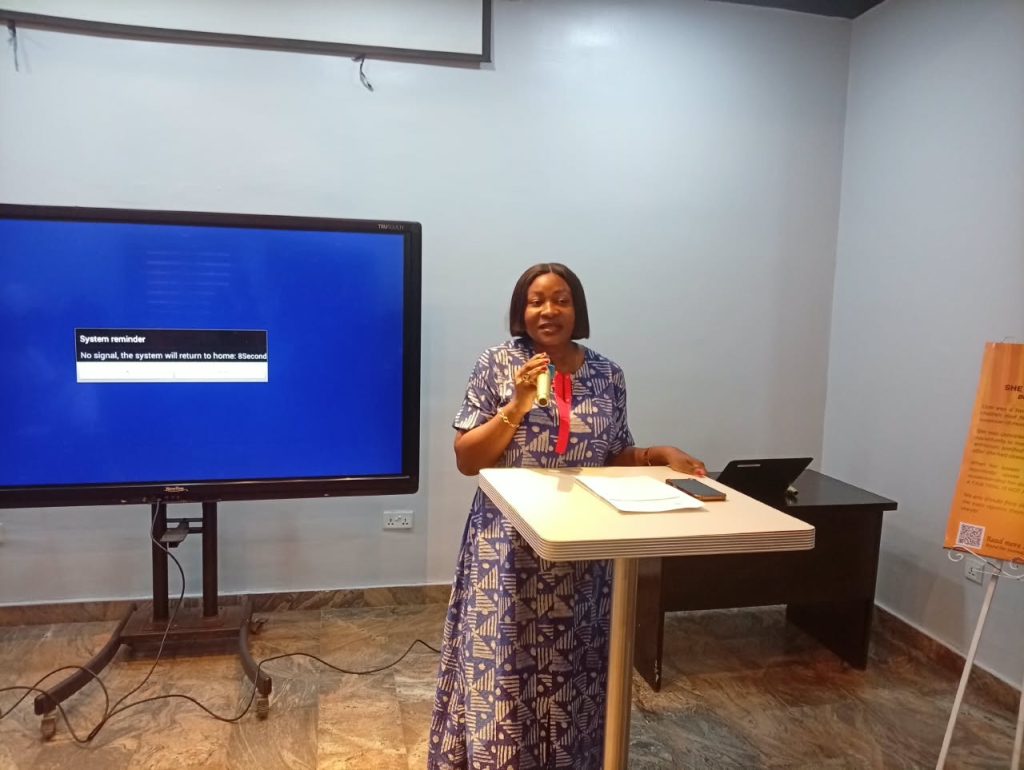
Executive Director of Hope Behind Bars Africa, Funke Adeoye, said the death penalty remained a major concern because of the risk of wrongful convictions and the impossibility of reversing an execution if new evidence establishes a defendant’s innocence.
She said the organisation had spent the past eight years working with partners to raise awareness and deepen public understanding of capital punishment.
Adeoye noted that children and other vulnerable individuals had become entangled in the criminal justice system under troubling circumstances, while some defendants facing capital charges lacked adequate legal representation.
“When someone is sentenced to death, the punishment is final. Unlike other sentences, which allow for the possibility of release or review, an execution cannot be reversed,” she said.
She questioned the justification for retaining a punishment that could not be undone, particularly when new evidence, including DNA evidence, might establish a defendant’s innocence.
Adeoye said Nigeria was approaching 10 years without an execution, with December 16 marking a decade since the last known execution. She acknowledged that rising insecurity and new laws prescribing capital punishment had intensified calls for executions but expressed hope that Nigeria would maintain its status as a de facto abolitionist country.
A de facto abolitionist country retains the death penalty in law but has stopped carrying out executions in practice.
She also highlighted findings from the organisation’s report, Beyond Her Sentence, which documents the experiences of women on death row, and thanked the Nigerian Correctional Service for granting access to its facilities.
According to Adeoye, about 84 women were interviewed for the report, with their accounts revealing troubling experiences within the criminal justice system.
She cited the case of a woman who struggled to speak against her husband despite his alleged involvement in a crime, partly because of cultural expectations. She also highlighted cases in which individuals allegedly lacked access to legal representation from the time of their arrest.
In her remarks, the Cooperation Attaché at the Embassy of France in Nigeria, Ketty Regis, said abolishing the death penalty was fundamentally about protecting human dignity.
Regis recalled that France hosted the Ninth World Congress Against the Death Penalty in Paris, which brought together participants from across the world to advance efforts towards universal abolition.
She said the debate extended beyond law and politics, stressing that every death sentence involved a human being, a family and years of fear and uncertainty.
According to her, the documentary screened at the event would highlight the often-overlooked experiences of women on death row, while a panel session titled “Beyond the Sentence: Leading Under Capital Punishment” would examine the human consequences of capital punishment.
Regis reaffirmed France’s support for initiatives promoting awareness, dialogue and reforms towards a more humane justice system.
“Justice and humanity must always go hand in hand,” she said.
Discussions at the event also raised concerns about the implementation of legal provisions relating to inmates who have spent more than 10 years on death row.
Section 12(2)(c) of the Nigerian Correctional Service Act, 2019, provides for the commutation of a death sentence to life imprisonment for inmates who have spent more than 10 years on death row. However, concerns have been raised about the implementation of the provision.
Participants called for stronger enforcement of existing laws, improved training for judges on contemporary criminal justice issues and greater support for inmates on death row, including improved access to the outside world and contact with family members.
The event featured a documentary screening and panel discussions aimed at highlighting the personal experiences of people affected by capital punishment and encouraging broader engagement on its continued use in Nigeria.