NOABS 2026: Stakeholders Advocate Organic Agriculture, Stronger Farmers’ Rights to Boost Food Security
By Salami Abdulrahaman | Pan Afric Reporters Abuja
Stakeholders in Nigeria’s agricultural sector have called for increased investment in organic agriculture, stronger protection of farmers’ rights and the adoption of sustainable farming practices to improve food security, protect public health and preserve the environment.
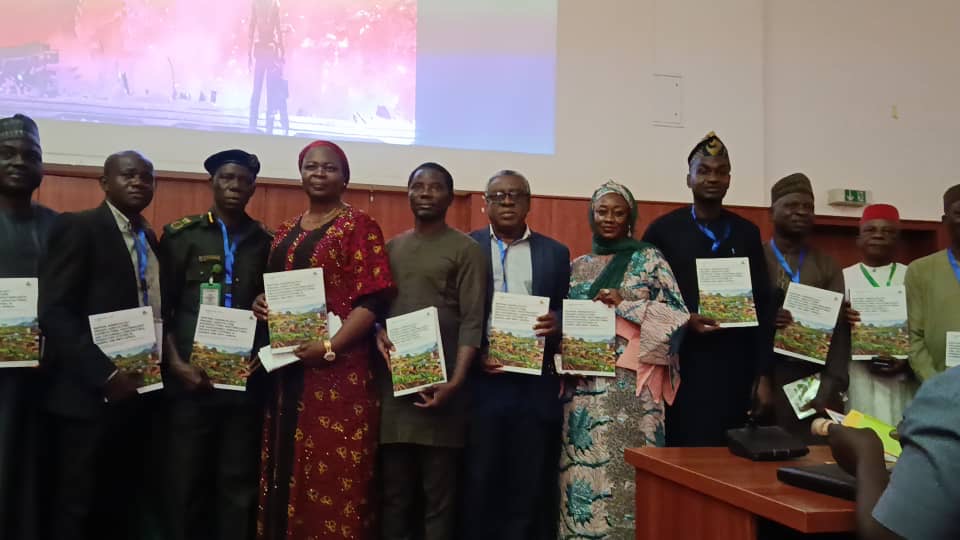
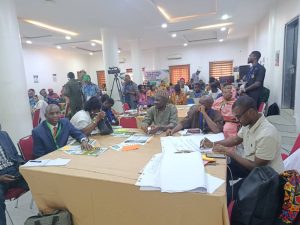
The call was made at the 2026 National Organic and Agroecology Business Summit (NOABS), held in Abuja on Tuesday, November 24, with participants drawn from government, agricultural organisations, farmers’ groups, researchers, processors and other stakeholders in the agricultural value chain.
The summit, organised by the Organic Agroecology Initiative of Nigeria, with support from the Heinrich Böll Foundation (HBF), provided a platform for discussions on the opportunities and challenges of organic agriculture, agroecology, food safety and sustainable agricultural development in Nigeria.
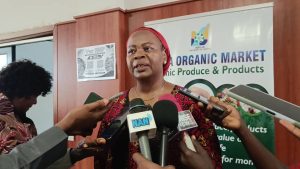
In his opening address, President of the Organic Agroecology Initiative of Nigeria, Prince Bakare Peter, described the gathering as an important moment for the future of Nigerian agriculture, food safety and environmental sustainability.
He said the summit brought together farmers, researchers, processors, regulators and advocates committed to transforming the country’s food production systems.
Bakare emphasised the need for stronger collaboration among stakeholders to advance sustainable agricultural practices, create opportunities for farmers and strengthen the agricultural value chain.
He noted that building a sustainable agricultural system required collective commitment, investment and policies that would support farmers and promote environmentally friendly production.
FCTA Highlights Efforts to Promote Sustainable Agriculture
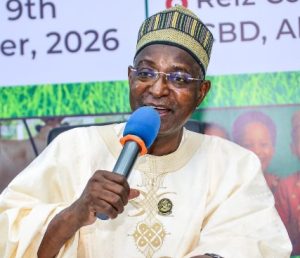
Also speaking, the Mandate Secretary of the Agriculture and Rural Development Secretariat of the Federal Capital Territory Administration (FCTA), Hon. Abdullahi Suleiman Ango, highlighted the administration’s efforts to promote sustainable agriculture and rural enterprise development.
Ango disclosed that the FCT had 270,000 hectares of land earmarked for farming and another 270,000 hectares designated for forest development, noting that the administration was working to improve farmers’ access to farmland, infrastructure and agricultural support.
He listed farm-to-market roads across rural farming communities, including Ibwa in Gwagwalada, Pai, Dagiri-Baza, Gomani and Dafa in Kwali, as well as areas linking Kuje and Gwagwalada, as part of efforts to ease transportation and improve farmers’ access to markets.
He also disclosed that the FCT Administration distributed organic fertilisers free of charge to farmers during the previous farming season through the Agro-Climatic Resilience in Semi-Arid Landscapes (ACReSAL) project to encourage organic farming.
According to him, farmers engaged in dry-season farming had benefited from tube wells and solar-powered pumping machines, resulting in improved yields and increased incomes.
Ango added that the women’s cassava processing centre in Kwali had been modernised to strengthen agricultural processing and support rural enterprise development.
He identified farmland protection, investment in rural infrastructure, youth participation in agriculture and farmers’ cooperative societies as key areas for advancing sustainable agriculture in the territory.
The Mandate Secretary further disclosed that the administration had supported more than 150 young people through capacity-building programmes and the free distribution of bee-farming equipment in 2024.
He also identified mushroom farming as another agricultural venture with the potential to create economic opportunities for young people.
Ango explained that the FCT Administration provided agricultural inputs and other support to rural farmers either free of charge or at subsidised rates through farmers’ cooperative societies. The support covered livestock production, fisheries, aquaculture and crop production.
He urged farmers to organise themselves into cooperatives, maintain proper records and embrace modern agricultural technologies to strengthen their businesses.
He also called on the private sector to invest in agricultural processing and transportation, while urging traditional rulers to protect farmlands, resolve conflicts and encourage farming communities.
Organic Agriculture and Public Health
Meanwhile, the Convener of the Journalists Group Organic Initiative, Mrs Ebere Agozie, described organic agriculture as essential to protecting human health, the environment and the ecosystem.
She maintained that organic agriculture was among the healthiest approaches to food production, stressing that its benefits extended beyond food consumption to environmental protection and the preservation of natural resources.
Agozie called for increased public awareness and advocacy to encourage Nigerians to embrace organic farming and understand its importance to sustainable food systems.
She said promoting organic agriculture would help address concerns surrounding food safety while supporting healthier communities and a more sustainable environment.
The summit also provided an opportunity for stakeholders to discuss the need to strengthen farmers’ rights, improve access to agricultural resources, support local production and create viable markets for organically produced food.
Participants emphasised the importance of collaboration among government institutions, private-sector operators, farmers and civil society organisations in addressing challenges facing the agricultural sector.
They called for policies and programmes that would encourage sustainable farming, support smallholder farmers and improve the capacity of local agricultural businesses.
In his goodwill message, Ango stressed the importance of strengthening rural agricultural production to meet the food needs of Abuja’s growing population.
He said food consumed by more than four million people in the FCT should be produced in rural communities such as Abaji, Kwali, Kuje, Gwagwalada and the Abuja Municipal Area Council (AMAC).
He added that increased investment in rural agriculture would help reduce food prices, create employment, encourage young people to remain in rural communities, improve women’s incomes and protect soil and water resources for future generations.