FG to Develop Abuja Grazing Reserves, Pledges End to Open Grazing Nationwide

By Onwe Wisdom|Pan Afric Reporters Abuja
The Federal Government has reaffirmed its commitment to ending open grazing across Nigeria, beginning with the accelerated development of three model grazing reserves in Abuja.
Minister of Livestock Development, Idi Mukhtar Maiha, according to a press release e-signed by the ministry’s Director of Press and Public Relations, Ben. Bem Goong made the declaration at the 2025 Media Retreat for Livestock Reporters held in Kaduna, stressing that the plan has moved from policy pronouncement to full-scale implementation.
“All animals roaming city centres will be relocated to designated reserves; and we mean it,” Maiha said, assuring that the government will enforce relocation while providing pastoralists with safe and sustainable grazing grounds.
He added that the initiative is part of the National Livestock Growth Acceleration Strategy designed to ensure peace, food security, and rural prosperity. “We are not unveiling this plan for the first time. It has been a consistent policy direction of this administration, but now we are entering the stage of implementation,” the Minister noted.
Maiha further underlined the social and security dimensions of the reform: “Our countryside should have milk trucks, not armored vehicles; milking machines should replace machine guns.”
Welcoming participants to the retreat, Permanent Secretary of the Ministry, Dr. Chinyere Ijeoma Akujobi, represented by the Director of Ruminants and Monogastric Development, Victor Egbon, highlighted the role of communication in shaping public understanding. She said the retreat would “strengthen partnerships, enhance reporters’ skills, and amplify the narrative of opportunities and transformation within Nigeria’s livestock sector.”
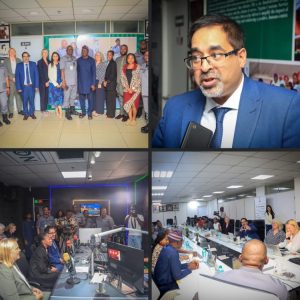
The retreat brought together experts, journalists, and stakeholders to examine how best to report and promote livestock reforms. The Former Managing Director and Publisher of Daily Asset, Dr. Cletus Akwaya, urged journalists to “go beyond episodic coverage of farmer-herder clashes” and instead spotlight opportunities and innovations within the sector.
Another speaker, development communication expert Peter Dama, emphasised cultural sensitivity in reporting, stressing that “communication is not merely about transmitting information but about facilitating dialogue, building trust, and fostering collective action.”
The retreat also examined the livestock value chain, with Dr. Ishaq Bello highlighting that while the sector contributes significantly to Nigeria’s GDP, it remains “under-optimised due to weak infrastructure, policy gaps, and inadequate investment in modern practices.”
Technology expert Oluseun Taylor urged reporters to leverage digital tools for advocacy and storytelling. He noted that digital platforms, data visualisation, and social media can make livestock issues more relatable and impactful for both policymakers and citizens.
Participants also visited Zaidi Farms to gain firsthand insights into livestock infrastructure. The Ministry reaffirmed its readiness to sustain engagement with the media as “partners in shaping public discourse and policy advocacy.”