


“If We Don’t Want Democracy, Say So. “Onaiyekan Warns as Nigeria Battles Deepening Voter Apathy
Pan Afric Reporters
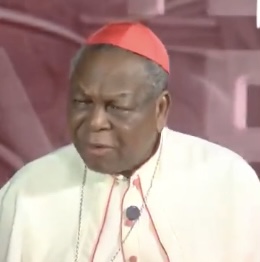
Cardinal John Onaiyekan, Archbishop Emeritus of the Catholic Diocese of Abuja, has issued a stark admonition on the state of Nigeria’s democracy, contending that the nation must be sincere about upholding democratic principles or openly acknowledge otherwise. He gave the admonition during an interview session on Aris TV, the respected cleric underscored the crisis of confidence that has beset Nigeria’s electoral process.
“We should be sincere about what we want as a nation,” said Cardinal Onaiyekan. “If we do not want democracy, we should say that. But if we do, then let us commit wholeheartedly to making it viable and credible.”
Onaiyekan’s remarks follow growing concerns over declining voter participation, particularly during the 2023 general elections, where only about 23 percent of registered voters cast ballots, a sharp contrast to earlier cycles and a significant indicator of public skepticism about the electoral process.
Experts and civic groups have linked the precipitous drop in participation over recent years to multiple factors which include perceived electoral irregularities, logistical inefficiencies, and a widespread belief among citizens that votes do not translate into meaningful governance outcomes. Such low engagement marks one of the lowest turnouts in Nigeria’s democratic history, far below levels recorded in elections of the early 2000s.
The Catholic Bishops’ Conference of Nigeria (CBCN), in a communique following its recent plenary in Abuja, cited these turnout figures as symptomatic of a broader erosion of trust in Nigeria’s elections. The bishops also highlighted systematic issues ranging from voter register anomalies to vote buying and ballot manipulation, all of which undermine confidence and fuel disillusionment.
African civil society organisations and electoral observers have echoed similar concerns. Calls have intensified for urgent reforms to strengthen Nigeria’s electoral framework including real-time transmission of results from polling units, comprehensive voter education, and legal safeguards to ensure transparency and accountability in the conduct of elections.
Political actors too have weighed in. Leaders from opposition parties have pointed to declining turnout and electoral irregularities as evidence of a faltering democratic space, urging a return to foundational democratic norms where citizens feel their participation truly matters.
Cardinal Onaiyekan’s appeal is timely: as Nigeria approaches the 2027 general elections, the urgent task for stakeholders from the Independent National Electoral Commission to political parties and civic groups is to rebuild trust, restore credibility, and make democratic participation both meaningful and attractive to the Nigerian electorate.


