Petroleum Prices May Plunge as Nigerian Unveils First Fully Locally Fabricated Refinery in Delta
By Onwe Wisdom, Pan Afric Reporters
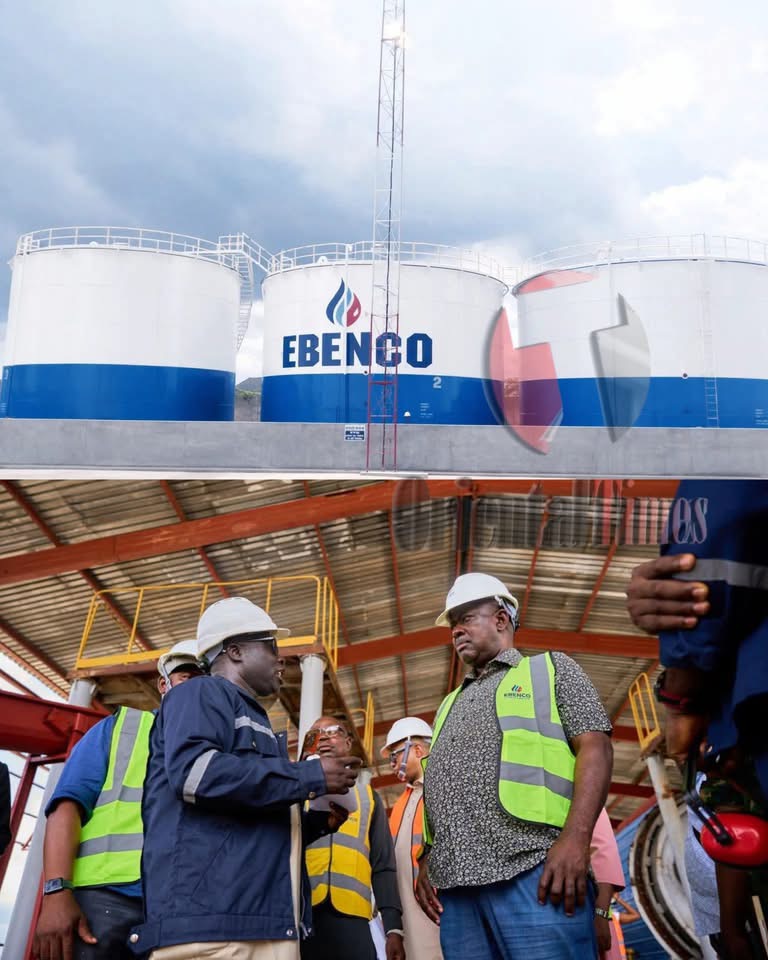
The price of petroleum products in Nigeria may soon witness a significant drop as a Nigerian entrepreneur prepares to launch the Ebenco Modular Refinery, the country’s first fully locally fabricated refinery, located in Delta State.
Expectations are rising across Nigeria’s energy sector following the imminent launch of the Ebenco Modular Refinery, a groundbreaking project described as the nation’s first refinery to be completely fabricated locally by Nigerian engineers.
The refinery, situated in Delta State in the oil-rich Niger Delta region, is expected to boost domestic refining capacity and reduce Nigeria’s long-standing dependence on imported refined petroleum products.
Industry observers say the development could trigger a gradual decline in the pump price of petrol, diesel, and other petroleum derivatives as local supply increases and logistics costs are reduced.
For decades, Nigeria—despite being one of Africa’s largest crude oil producers—has relied heavily on foreign refineries for its refined petroleum needs. This dependency has often exposed the country to global price fluctuations, supply disruptions, and high import bills.
The Ebenco Modular Refinery project is therefore being hailed as a major milestone for indigenous technology and local content development in the nation’s oil and gas industry.
Experts note that modular refineries, which are typically smaller and faster to deploy than conventional refineries, have increasingly become a viable solution to Nigeria’s refining deficit. They can be installed relatively quickly and expanded in phases as demand grows.
Beyond the potential impact on fuel prices, the refinery is also expected to stimulate economic activities in Delta State and surrounding communities by creating jobs, supporting local fabrication industries, and strengthening Nigeria’s technical capacity in petroleum infrastructure development.
Energy analysts believe that if more indigenous investors replicate the Ebenco model, Nigeria could significantly close its refining gap and stabilize the domestic fuel market.
The launch of the refinery is already generating excitement among stakeholders in the oil sector, with many viewing it as a bold step toward energy independence and industrial self-reliance for Nigeria.