Climate Change: FG Intensifies Effort to Address Challenges of Emissions
By Onwe Wisdom, Pan Afric Reporters
The Federal Government has reaffirmed its commitment to responsible development and readiness to play its part in addressing one of the most pressing challenges of the time and the aspiration towards net zero emissions.
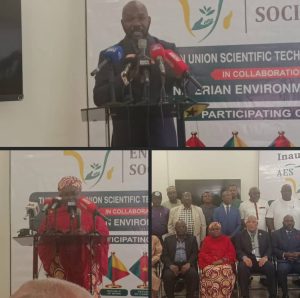
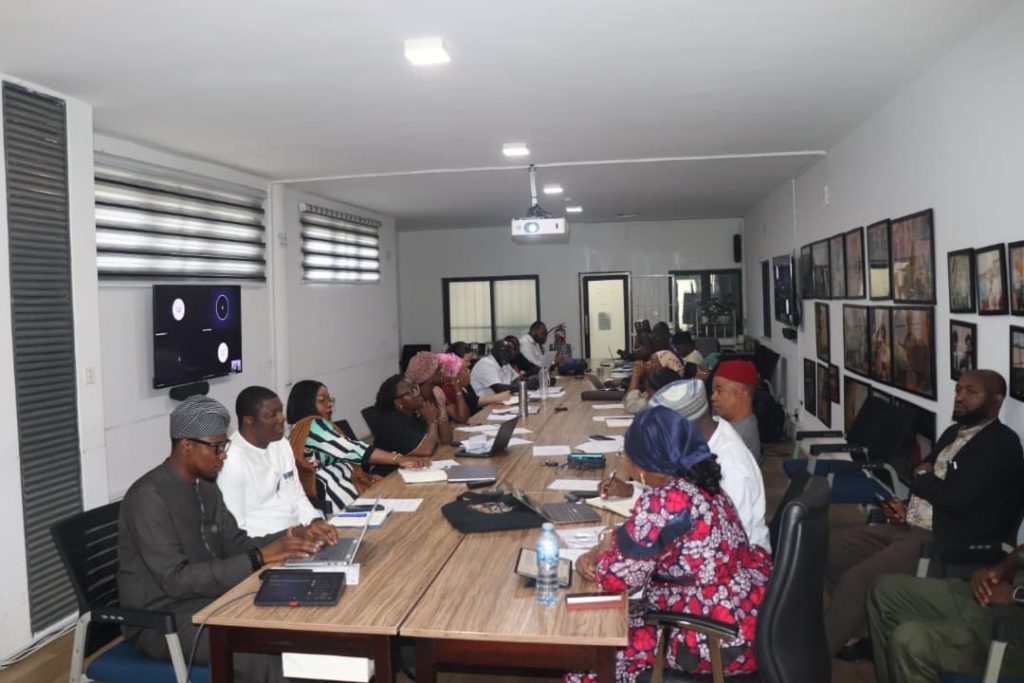
The Permanent Secretary, Federal Ministry of Livestock Development, Dr Chinyere Ijeoma Akujobi, according to a media report e-signed by the ministry’s Deputy Director, Information and Public Relations, Henrietta Okokon, made this known in her remarks at a Stakeholders Engagement Workshop on the Development of a Climate-Sensitive Development Plan for the Nigeria Livestock Growth Acceleration Strategy (NL-GAS), in Abuja on Thursday 26th April, 2026.
Dr Akujobi who declared the workshop open, explained that, the stakeholders engagement is timely and critical, as it marks a decisive step toward integrating climate-sensitive development planning into the livestock strategy for both mitigation and adaptation to climate vulnerability.
She also explained that the strategy is not just about increasing the number of livestock or boosting production figures but it’s about transforming an entire ecosystem into one that is efficient, inclusive, resilient, and globally competitive.
“The objective of this forum, is to move from subsistence-based livestock practices to a modern, commercially viable system that delivers value across the entire chain,” Akujobi added.
The Permanent Secretary maintained that, by adopting climate-smart livestock practices, Nigeria can significantly reduce emissions while improving productivity.
According to her, “this is significant because the livestock sector in Nigeria is indeed a lifeline for millions of households and has remained a cornerstone of our rural economy. From the pastoralists in the north to smallholder farmers across the country, livestock represents income, nutrition, and cultural identity, contributing 3–5 percent to Nigeria’s GDP. It has a current estimated value of 32 billion U.S. dollars, while supporting the livelihoods of millions of Nigerians directly and indirectly”.
Dr Akujobi, also said that beyond the numbers lies a deeper narrative of the rich potential in each livestock value chain, such as leather, dairy, egg and meat, processing, distribution/cold-chain, veterinary practices, and services.
“These are precisely what the National Livestock Growth Acceleration Strategy (NL-GAS) is designed to optimise in the face of climate variability, land degradation, and population pressures that are reshaping the livestock ecosystem” she maintained.
The Director Technical, Office of the Permanent Secretary, Dr Alike Peter, in his presentation on NL-GAS, explained that, the strategic objective of the forum, is to draw up a plan that is indicative of a faster technique for every move that would ramp up productivity.
He further explained that ivestock had historically been viewed narrowly from an animal perspective, but NILGAS has helped reposition the sector within the national consciousness as a dynamic, value chain-driven industry with significant economic potential.
Earlier in her goodwill message, Policy Engagement Specialist, International Livestock Research Institute (ILRI), Kenya, Laura Cramer, assured the forum of the Institute’s willingness to partner with the Ministry for a climate sensitive implementation plan for NL-GAS.
The workshop featured more goodwill messages from GIZ, FAO, while participants were drawn from SAHEL Consulting, National Council on Climate Change (NCCC), Christian Aid, Federal Ministry of Environment, Technical Working Group (TWG) of the Ministry and among others.