FG Moves to Fix Kogi Road Gridlock, Targets Durable Highways, Security Upgrade on Abuja–Lokoja Corridor
By Onwe Wisdom, Pan Afric Reporters
The Federal Government has intensified efforts to overhaul critical road infrastructure in Kogi State, unveiling plans to accelerate construction, deploy durable concrete technology, and integrate security systems along key transport corridors linking the state to the nation’s capital.
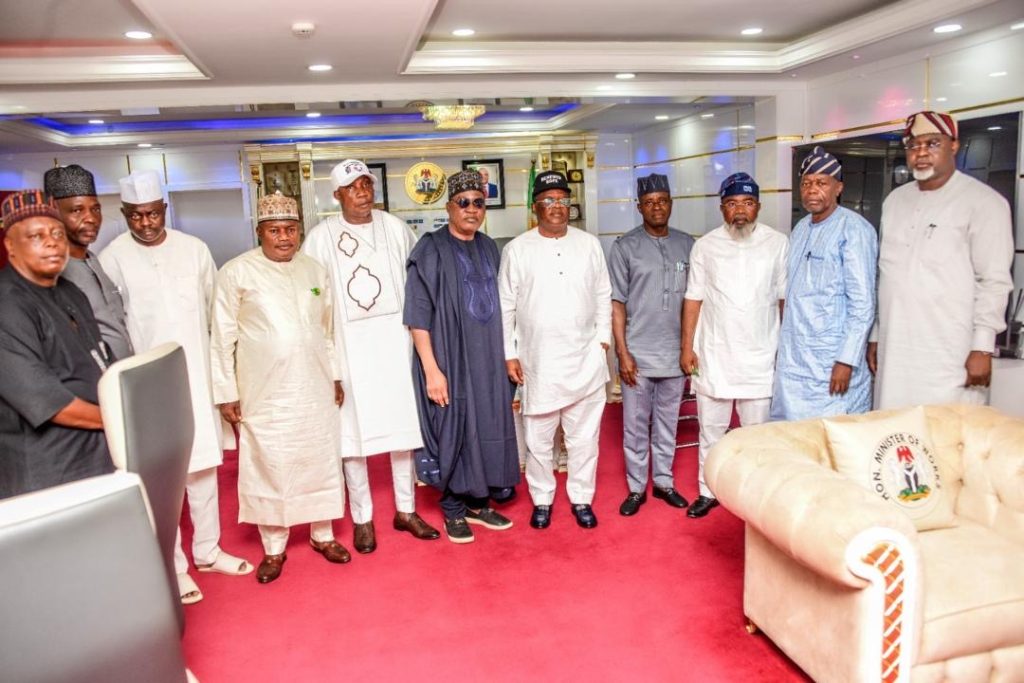
The renewed push follows a high-level meeting between the Minister of Works, David Umahi, and Kogi State Commissioner for Works, Salam Ozige Deedat, where both parties reaffirmed a joint commitment to fast-track ongoing projects and address persistent traffic and safety concerns.
According to a statement issued by the Federal Ministry of Works and signed by Mohammed A. Ahmed, the engagement underscored the strategic importance of Kogi as a gateway between northern and southern Nigeria, necessitating urgent infrastructure upgrades.
Speaking during the meeting, Deedat commended the Federal Government’s visible progress on major routes, particularly the Abuja–Lokoja–Okene axis, while calling for faster completion of delayed sections.
“Recent efforts under the current administration have shown greater visibility and impact, but there is still an urgent need to address delays causing traffic challenges on key corridors,” he said.
Responding, Umahi acknowledged funding constraints as a major bottleneck but insisted that the government is undertaking unprecedented road construction nationwide.
“If past administrations had achieved similar levels of infrastructure development, the current pressure on our roads would have been significantly reduced,” the minister stated.
He revealed that large sections of the Abuja–Lokoja highway are being reconstructed using concrete pavement technology to ensure durability and reduce long-term maintenance costs. According to him, multiple contractors are already handling different segments, with some portions completed and others ongoing.
“The shift to concrete is deliberate. It guarantees longevity and addresses the rapid deterioration associated with asphalt roads,” Umahi explained.
Beyond construction, the minister highlighted a new security dimension to road development, disclosing plans to install solar-powered street lighting and CCTV surveillance along major highways.
“Poor road infrastructure contributes to insecurity. We are integrating technology to enhance monitoring, safety, and rapid response along critical corridors,” he added.
The minister also outlined progress on other strategic routes, including the Okene–Ajaokuta road, Takete–Mopa–Isanlu–Egbe corridor, and links toward Kwara State, stressing that these projects are vital to economic connectivity and regional development.
He further referenced broader national projects such as the Trans-Saharan Highway and other legacy road initiatives under the administration of President Bola Ahmed Tinubu, noting that many are already captured within the current budget cycle.
Umahi called for stronger collaboration between federal and state governments, urging sub-national authorities to complement federal efforts through maintenance and adoption of durable construction methods.
With construction activity ramping up and new technologies set to be deployed, the Federal Government says the renewed intervention is aimed not only at easing movement but also at boosting security, economic growth, and national integration across one of Nigeria’s most critical transit corridors.