NPF AND THE VIRAL VIDEO: why public judgement must embrace caution
Pan Afric Reporters
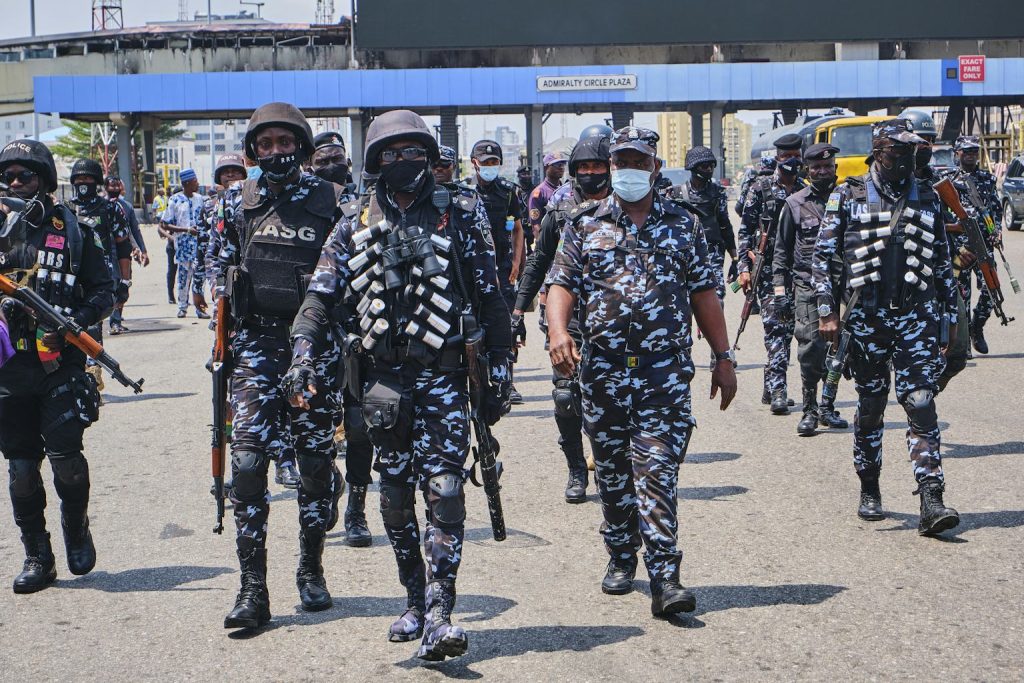
In the age of social media, a few seconds of video can ignite nationwide outrage, shape public opinion, and cast doubt on institutions long before the facts are established. Such appears to be the case with the now-viral video allegedly showing a group of armed individuals passing through a police checkpoint while officers on duty seemingly stand and watch.
The footage has sparked widespread speculation, with many concluding that the individuals were bandits or terrorists and accusing the officers of complicity or dereliction of duty. While public concern over security is understandable, it is equally important to approach such incidents with caution, restraint, and a commitment to facts rather than assumptions.
A video clip, regardless of how convincing it may appear, rarely tells the complete story. It does not reveal what intelligence was available to the officers, what operational directives they were working under, whether reinforcement had been requested, or even the true identity of the individuals captured in the footage.
Without a thorough investigation, concluding that the officers deliberately aided criminals risks unfairly condemning men and women who may themselves have been placed in an impossible situation.
Police officers are often viewed solely through the lens of their uniforms, but behind those uniforms are human beings with families, emotions, and an instinct for survival like every other citizen.
Expecting a handful of officers armed with standard-issue weapons at a routine checkpoint to confront a significantly larger group of heavily armed individuals, if indeed they were bandits or terrorists, then it is not only unrealistic but potentially suicidal for the few officers on duty to engage them.
Professional policing requires officers to assess threats, preserve lives, gather intelligence where possible, and coordinate with tactical units capable of handling heavily armed confrontations. Heroism should never be confused with recklessness.
A nation cannot demand that officers sacrifice their lives in situations where tactical withdrawal or restraint may ultimately save more lives and enable a coordinated security response.
Counterterrorism and anti-banditry operations are intelligence-driven. Security agencies often rely on surveillance, coordinated deployments, and specialised tactical units rather than spontaneous gunfights at checkpoints.
There are numerous operational scenarios that may not be visible in a short online clip. Officers may have been acting under instructions, awaiting reinforcement, avoiding civilian casualties, or assessing a situation that required a different tactical response.
This is precisely why we should embrace cautionary commentary, determine accountability via investigation instead of viral commentary.
The indiscriminate circulation of unverified narratives carries serious consequences.
It can erode public confidence in security institutions, demoralise officers risking their lives daily, embolden criminal elements who exploit public distrust, and create unnecessary panic among citizens.
Constructive criticism of security agencies is both legitimate and necessary in a democracy. However, criticism should be grounded in patriotism and evidence rather than speculation.
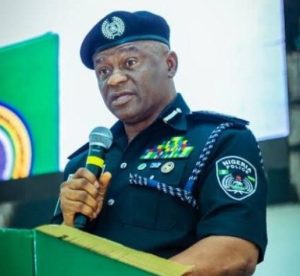
The Nigeria Police Force, like every public institution, is not above scrutiny. And I commend the effort of the incumbent Inspector General of Police, IGP Olatunji Rilwan Disu, psc(+), NPM at reforming the force and his zero tolerance for airing officers.
Condemning the force or officers before investigations are concluded undermines justice and weakens the credibility of legitimate citizens’ oversight.
Institutions are strengthened through fair accountability, certainty not through trial by social media.
Nigeria’s security challenges require cooperation between citizens and security agencies. Public vigilance, credible intelligence sharing, and responsible communication are indispensable components of national security.
Any deliberate attempt to undermine the efforts of the Nigeria Police Force or the broader security architecture without credible evidence amounts to a disservice to the nation. It weakens public confidence, distracts from genuine security efforts, and inadvertently serves the interests of those who seek to instill fear and destabilize our dear fatherland.
Citizens have every right to ask questions and demand transparency. Equally, they have a responsibility to avoid spreading conclusions that have not been verified or have a far reaching negative consequence on our national security.
The viral checkpoint video should undoubtedly be investigated thoroughly and transparently as tool for intelligence gathering and further security actions.
However, until the facts are established, Nigerians must resist the temptation to substitute assumptions for evidence.
The rule of law demands patience, professionalism, and objectivity. In matters of national security, these virtues are not signs of weakness, they are the foundation of justice and responsible citizenship.
In an era where misinformation can spread faster than facts, perhaps our greatest duty as citizens is not merely to share what we see, but to seek the truth before deciding what to believe.
Onwe Wisdom
Advocate for Responsible Citizens
Panafricreporters@gmail.com