Neda Champions Senate Moves to Strengthen Public Complaints Commission, Proposes Independent Ombudsman with Whistleblower Protection Powers
By Pan Afric Reporters
The Senate has commenced legislative action to overhaul the legal framework of the Public Complaints Commission (PCC) with a proposal to transform the agency into a fully independent National Ombudsman Institution empowered to investigate administrative injustice, protect whistleblowers, and strengthen accountability in public administration.
The move is aimed at repositioning the Commission to meet contemporary governance challenges while aligning Nigeria’s administrative justice system with international best practices.
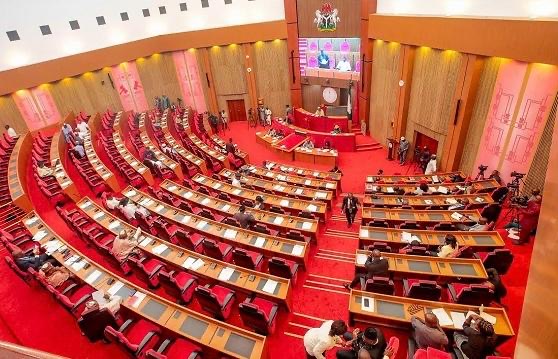
The proposal is contained in the lead debate on the Bill for an Act to Repeal the Public Complaints Commission Act, Cap. P37, Laws of the Federation of Nigeria, 2004, and Re-enact the Public Complaints Commission Act, 2026 (SB1040), sponsored by Senator Neda Imasuen, representing Edo South Senatorial District, during its presentation on the floor of the Senate.
Leading the debate, Senator Imasuen said the principal objective of the legislation is to modernise and strengthen the legal and institutional framework of the Public Complaints Commission in line with the provisions of the 1999 Constitution (as amended), evolving governance realities, and internationally recognised ombudsman principles.
According to him, although the Commission was established to provide Nigerians with an accessible platform for seeking redress against administrative injustice, abuse of office and arbitrary actions by public authorities, the existing law has become inadequate to address today’s governance challenges.
“The existing Act no longer adequately empowers the Commission to discharge its mandate effectively in the face of emerging challenges,” Senator Imasuen stated.
He explained that the proposed legislation seeks to reposition the Commission as a truly independent National Ombudsman Institution with enhanced powers to receive, investigate, mediate and resolve complaints arising from maladministration, abuse of power, unfair treatment and administrative omissions by public authorities, public officers and corporate bodies whose activities affect citizens’ rights and welfare.
A major innovation in the bill, according to the lawmaker, is the strengthening of the Commission’s independence and operational autonomy to enhance public confidence and ensure that complaints are handled professionally and without undue interference.
The bill also proposes to expand the Commission’s investigative powers by authorising it to conduct more effective inquiries, obtain relevant information and documents, make recommendations and promote compliance with the principles of fairness, accountability, transparency and good governance across public institutions.
Another significant feature of the proposed legislation is the introduction of a comprehensive Public Interest Disclosure and Whistleblower Protection Framework, designed to encourage individuals to report corruption, abuse of office, maladministration and other improper conduct without fear of intimidation or victimisation.
“The protection of whistleblowers is globally recognised as an essential instrument for promoting integrity, transparency and accountability in governance,” the senator said.
Senator Imasuen argued that the enactment of the bill would significantly strengthen administrative justice in Nigeria by providing citizens with a more effective and accessible mechanism for seeking redress against unfair administrative actions while reducing bureaucratic arbitrariness and improving accountability in the public sector.
He added that the proposed reforms would bring Nigeria’s ombudsman system in line with global standards, where independent ombudsman institutions play a vital role in protecting citizens’ rights, promoting good governance and improving public service delivery.
Describing the legislation as more than an institutional reform, the Edo South senator said it represents a strategic intervention to deepen democratic governance, strengthen the rule of law, enhance transparency and entrench a culture of accountability in public administration.
“This proposed legislation is not merely an institutional reform; it is a strategic intervention aimed at deepening democratic governance, strengthening the rule of law, enhancing transparency and promoting a culture of accountability in public administration,” he said.
He urged his colleagues to support the bill and allow it to scale second reading to enable further legislative scrutiny and broad stakeholder consultations in the overall public interest.