FG Unveils National Food Procurement Policy to Combat Malnutrition, Curb Diet-Related Diseases
…Says healthier government food purchases will drive nutrition, save lives and strengthen Nigeria’s food system
By Pan Afric Reporters
The Federal Government has launched the National Guidelines for Public Procurement of Food and Related Services, introducing a new policy framework designed to use government food procurement to improve nutrition, reduce diet-related diseases, strengthen food systems and promote healthier living across Nigeria.
The initiative was disclosed in a press release issued by the Federal Ministry of Health and Social Welfare and signed by the Assistant Director, Information and Public Relations, Mr. Ado Bako, on July 13, 2026.
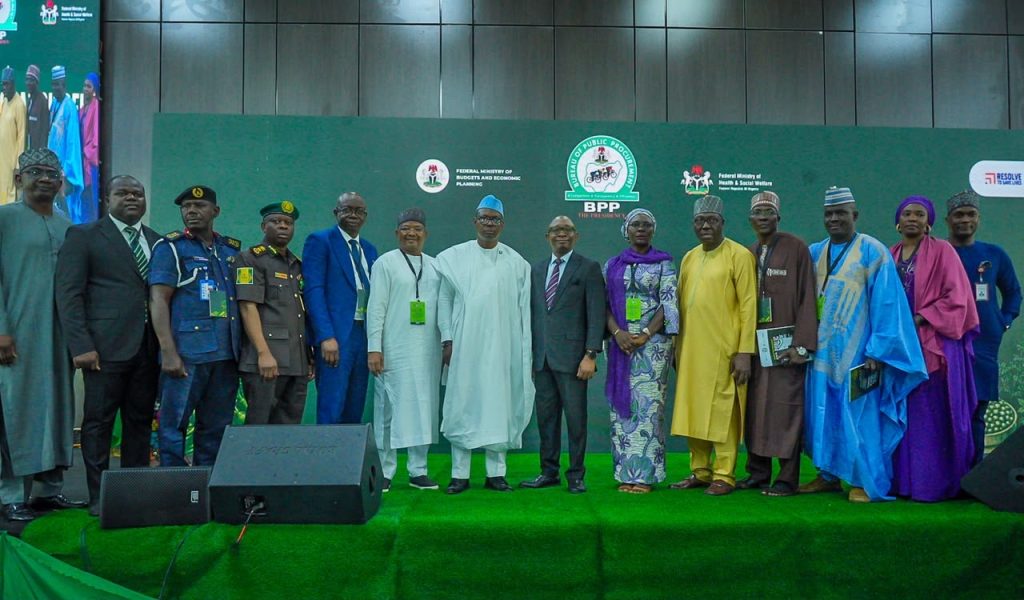
Launching the Guidelines at the NAF Conference Centre in Abuja, the Honourable Minister of State for Health and Social Welfare, Dr. Iziaq Adekunle Salako, described the policy as a landmark reform that aligns public procurement with national health, nutrition and economic development objectives.
Speaking on the theme, “Public Procurement of Food: Promoting a Culture of National Wellness Through the Food Value Chain,” the Minister said government procurement should no longer be viewed merely as an administrative process but as a strategic policy instrument capable of improving public health, strengthening human capital and stimulating economic growth.
“Every public procurement decision reflects a national priority. It should no longer be seen merely as a compliance exercise but as a strategic tool for improving health outcomes, strengthening human capital and driving economic growth,” Dr. Salako said.
He noted that the launch demonstrates President Bola Ahmed Tinubu’s whole-of-government approach to governance, stressing that sustainable health outcomes require close collaboration among agencies responsible for procurement, agriculture, nutrition, health and economic planning.
Highlighting the growing burden of unhealthy diets, Dr. Salako disclosed that poor nutrition contributes to approximately 7.2 million deaths globally every year, while Nigerians consume an average of 3.9 grams of sodium daily, almost twice the World Health Organization’s recommended limit of two grams.
He identified excessive intake of industrial trans fats and sugar-sweetened beverages as major drivers of cardiovascular diseases, obesity and diabetes, adding that the Federal Government has already introduced several interventions, including the National Guideline for Sodium Reduction, Trans-Fatty Acid Regulation, and the Sugar-Sweetened Beverage Tax, to promote healthier dietary habits.
The Minister also expressed concern over Nigeria’s persistent malnutrition crisis, revealing that almost half of all deaths among children under five are linked to malnutrition.
According to him, recent national surveys indicate that about four in every 10 Nigerian children under five are stunted, while nearly two million children suffer severe acute malnutrition annually.
He warned that beyond its health implications, malnutrition threatens Nigeria’s human capital development, educational outcomes, productivity and long-term economic growth.
Dr. Salako observed that government remains Nigeria’s largest institutional purchaser of food and related services, making public procurement decisions critical in shaping healthier food environments, influencing consumer behaviour and encouraging improved standards among food producers and suppliers.
“Government procurement should not merely respond to market trends; it should actively shape them by demanding healthier, safer and more nutritious foods,” he stated.
He explained that the newly launched Guidelines establish evidence-based standards for public institutions by promoting balanced diets while setting limits on sodium, sugar and unhealthy fats in foods supplied to government establishments.
According to the Minister, the policy complements existing national initiatives on food safety, sodium reduction and trans-fat elimination, while reinforcing the Federal Government’s commitment to disease prevention and health promotion.
Dr. Salako further stated that the Nigeria Health Sector Renewal Investment Initiative (NHSRII) recognises nutrition as a critical determinant of health throughout life, noting that President Tinubu’s commitment to Universal Health Coverage extends beyond healthcare delivery to building healthier communities through preventive public policies.
He also highlighted ongoing procurement reforms within the health sector, including the MediPool initiative, which leverages government’s purchasing power to improve transparency, strengthen supply chains, reduce fragmentation and expand equitable access to quality health commodities.
The Minister urged procurement officers, accounting officers, chief executives and heads of government institutions to recognise procurement as a strategic governance function with far-reaching implications for health, education, productivity, environmental sustainability and public confidence.
He stressed that the success of the Guidelines would depend on effective implementation, continuous monitoring and measurable outcomes.
“The real success of this policy will not be measured by today’s launch but by healthier meals served in our schools, hospitals, correctional centres, military formations and other public institutions, leading ultimately to healthier Nigerians,” he said.
Dr. Salako commended the Bureau of Public Procurement (BPP) for providing leadership in developing the Guidelines and acknowledged the contributions of the Federal Ministry of Budget and Economic Planning, Resolve to Save Lives, development partners and technical experts whose collaborative efforts made the initiative possible.
He called on all stakeholders to move beyond policy formulation to coordinated implementation, ensuring that every government procurement decision contributes to building a healthier, more productive and prosperous Nigeria.