Misinformation Can Create Fear, Undermine Public Trust — AIG Olaiya
By Onwe Wisdom | Pan Afric Reporters
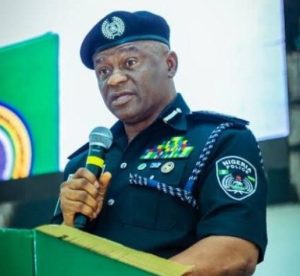
The Assistant Inspector-General of Police (AIG), Zone 7 Headquarters, Abuja, Victor Olaiya, psc(+), has warned that misinformation and unverified security reports can create unnecessary panic, distort public perception and undermine confidence in security institutions.
Olaiya gave the warning while delivering the keynote address at a two-day media interaction organised by the Nigeria Police Force, Zone 7 Headquarters, Abuja, with the theme, “Reporting Security in the Digital Age: Curtailing Misinformation, Preventing Panic and Upholding Fact-Based Journalism in Nigeria.”
The AIG said the rapid evolution of digital communication had transformed the way information was produced, transmitted and consumed, making it possible for photographs, videos, voice notes and reports to go viral before their authenticity could be established.
He stressed that the consequences could be particularly serious when such unverified information relates to security incidents.
“In matters of security, information is not merely information; it can influence perception, shape behaviour, build confidence or, if mishandled, create fear and uncertainty,” Olaiya said.
According to him, an unverified report could trigger unnecessary panic, while a misleading headline could distort public perception and an old photograph presented as a current incident could create the false impression of a fresh security threat.
He added that rumours repeatedly circulated could eventually assume the appearance of facts, making professional verification increasingly important in the digital age.
The Zone 7 police boss, however, said responsible journalism could produce the opposite effect by helping to calm tensions, clarify issues and strengthen public confidence.
“Responsible journalism can achieve the opposite. It can calm rather than alarm. It can clarify rather than confuse. It can inform rather than mislead. And it can strengthen public confidence rather than undermine it,” he stated.
Olaiya emphasised that fact-based reporting remained indispensable to effective security communication, stressing that the media had a responsibility to ensure that information reaching the public was properly sourced, verified and presented within the appropriate context.
He said the Nigeria Police Force also recognised that its responsibility extended beyond responding to crime and security threats, noting that the manner in which the police communicated with citizens was an important component of effective policing.
“The public deserves timely, accurate and responsible information,” the AIG said.
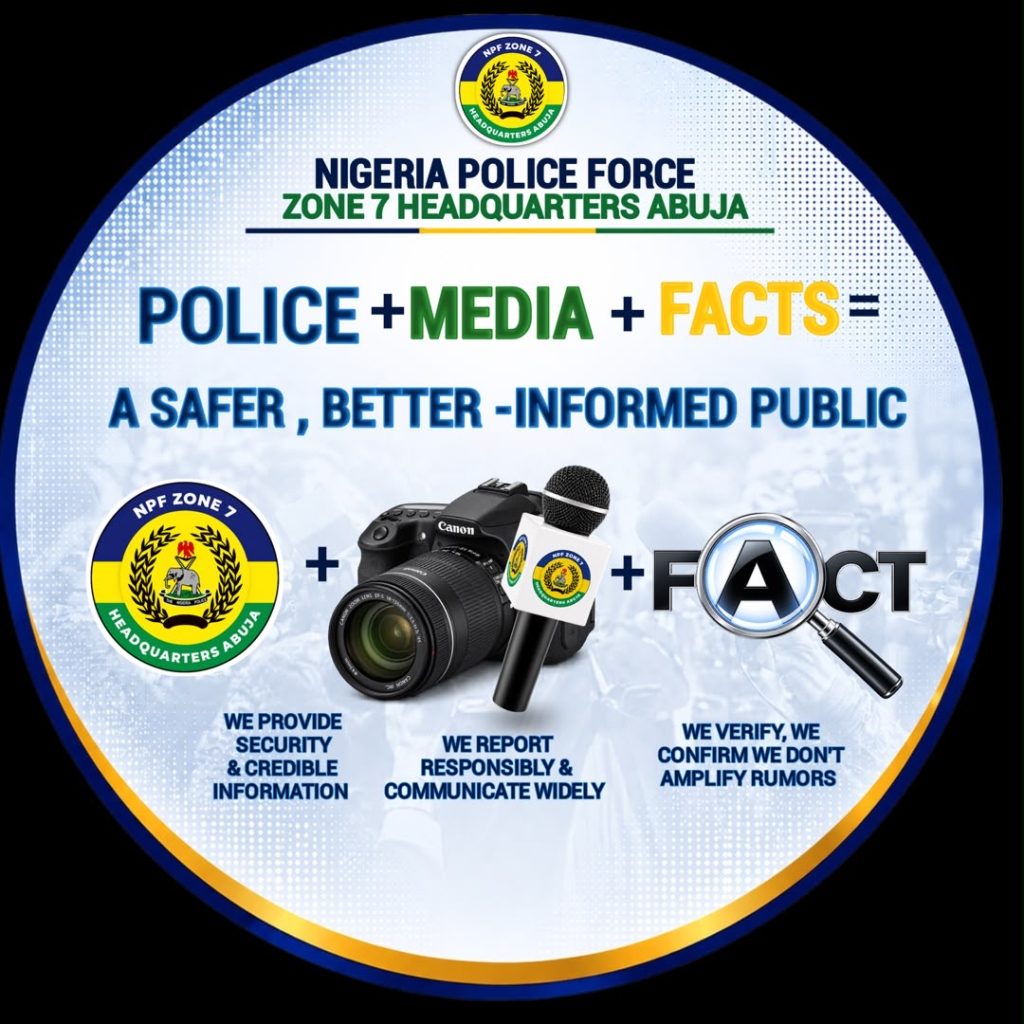
He explained that while the police and media had different professional roles, both institutions ultimately served a common public interest—building a safer, better-informed and more resilient society.
According to him, the two-day interaction was therefore designed to strengthen the relationship between the police and media while creating greater understanding of the operational realities of policing and the challenges confronting journalists in the digital environment.
“This interaction is therefore an opportunity to strengthen that relationship,” he said.
Olaiya called for an environment where legitimate questions could be asked, concerns expressed and practical solutions developed, urging stakeholders to identify communication gaps and confront misinformation with facts.
“Where communication gaps exist, we must identify them. Where misinformation emerges, we must confront it with facts. Where there are misconceptions, we must provide clarity. And where there are opportunities for stronger collaboration, we must take advantage of them,” he said.
The AIG also urged journalists and other participants to actively engage in the sessions, share experiences, ask questions and contribute meaningfully to discussions, stressing that the success of the interaction should not be measured merely by the number of presentations delivered or certificates issued.
Rather, he said, its value would be determined by the quality of professional relationships strengthened and the practical lessons participants took away from the engagement.
Olaiya further acknowledged the importance of collaboration among the police, media, government, professional institutions, civil society and other stakeholders in addressing security and information challenges.
“The Police cannot do it alone. The media cannot do it alone. Government, professional institutions, civil society and other stakeholders all have important roles to play,” he stated.
He assured the media of Zone 7 Headquarters’ commitment to building a professional and constructive relationship with journalists, saying the command would continue to encourage responsible engagement, timely communication and professional collaboration.
The AIG stressed that the police did not seek a relationship with the media in which difficult questions were avoided, but one in which such questions could be asked responsibly and answered constructively.
“Our objective is not to create a relationship where difficult questions are avoided. Rather, we seek a relationship where difficult questions can be asked responsibly and answered constructively,” he said.
According to him, public trust could only be strengthened through professionalism, transparency and facts.
“Trust is not built by avoiding scrutiny; it is built by responding to scrutiny with professionalism, transparency and facts,” Olaiya declared.
He urged participants to use the two-day engagement to promote a communication environment in which facts would travel faster than rumours, verification would precede publication and context would accompany information.
“Let us work towards a communication environment where facts travel faster than rumours, verification precedes publication, context accompanies information, and responsible journalism contributes to public safety,” he said.
The AIG thereafter formally declared the two-day media interaction open, expressing confidence that the programme would provide an engaging and productive platform for strengthening security communication and professional collaboration between the police and the media.