MSF Urges Government, Stakeholders to Integrate Noma Care into Primary Healthcare
By Salami Abdulrahaman| Pan Afric Reporters
Médecins Sans Frontières (MSF) has called on the Nigerian government and relevant stakeholders to integrate noma prevention, diagnosis and treatment into the primary healthcare system to reduce preventable deaths and disabilities among vulnerable children.
The appeal comes as the Sokoto State Ministry of Health’s Noma Children Hospital, supported by MSF, begins its final surgical intervention phase for 2026, targeting 40 patients for reconstructive surgery.
Noma is a rapidly progressing, non-contagious disease that destroys facial tissues and bones, particularly among children living in extreme poverty. If left untreated, it has a mortality rate of 70 to 90 per cent, while survivors may experience lifelong facial disfigurement, difficulties eating, speaking and breathing, as well as psychological distress and social stigma.
Although the World Health Organisation (WHO) classified noma as a neglected tropical disease in 2023, MSF said the disease remains largely overlooked in routine child health programmes.
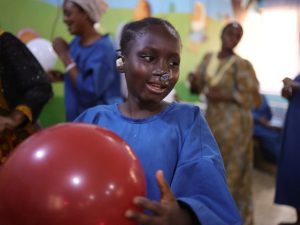
The disease predominantly affects children under seven, particularly those in underserved communities where malnutrition, inadequate immunisation, poor oral hygiene and limited access to healthcare increase their vulnerability.
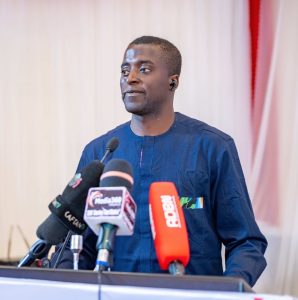
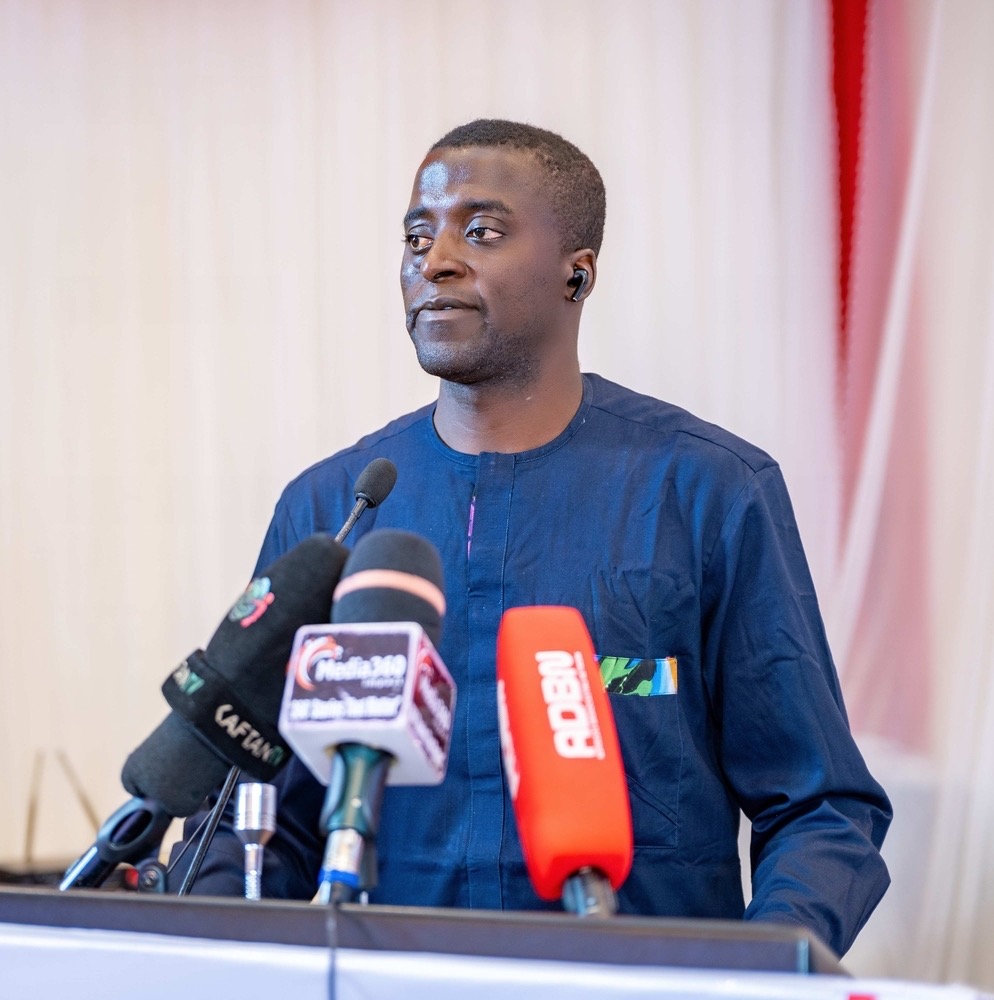
Speaking on the importance of early detection, Samuel Ajamah, MSF Nursing Activity Manager at the Noma Hospital in Sokoto, said the disease could be prevented and treated if identified promptly.
“Noma is preventable and treatable. No child should suffer or die from a disease that can be detected early and effectively managed,” Ajamah said.
He explained that early-stage noma could be reversed through antibiotics, wound care, nutritional rehabilitation and treatment of underlying conditions.
“Recognition of noma as a Neglected Tropical Disease was an important step, but recognition alone is not enough. We now need practical investment in prevention, early diagnosis, and access to care,” he added.
Ajamah stressed the need to strengthen primary healthcare, improve nutrition, expand vaccination coverage and ensure better access to essential health services in rural communities.
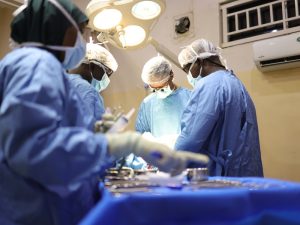
MSF has partnered with the Sokoto State Noma Children Hospital since 2014. Between 2014 and 2025, its surgical teams performed 1,645 reconstructive operations on 1,078 patients.
In 2025 alone, the organisation provided comprehensive support, including surgery, nutritional care, physiotherapy and mental health services, to 1,034 patients. During a surgical intervention phase between April and May 2026, 55 procedures were carried out.
Despite these interventions, MSF noted that limited public awareness and inadequate capacity at community health facilities continued to delay diagnosis and treatment.
According to the organisation, some patients visit several health facilities without receiving appropriate care, losing valuable time when early intervention could prevent the disease from progressing.
To address these challenges, MSF is advocating the integration of noma services into primary healthcare, training for frontline health workers, inclusion of the disease in national surveillance systems, and effective referral pathways linking rural communities to specialist treatment centres.
The organisation also called for the consistent availability of essential medicines and nutritional support, alongside expanded public awareness campaigns to improve early recognition and encourage timely treatment.
Beyond surgery, the hospital provides rehabilitation and psychosocial support to aid patients’ recovery and reintegration into their communities.
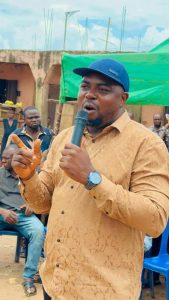
One beneficiary, Hussaini Usman, a noma survivor who now works with MSF in Sokoto as a hygiene agent, shares his treatment experience and supports efforts to raise awareness about the disease.
His journey from patient to advocate highlights the importance of sustained medical care, rehabilitation and community engagement in supporting noma survivors.
MSF’s renewed call underscores the need for stronger collaboration among government agencies, health authorities, development partners and communities to ensure noma is recognised, detected and treated early, rather than allowed to progress to severe disability or death.