FG Targets N70bn Investment in Oral Health, Launches Strategic Plan to End Noma
By Salami Abdulrahaman | Pan Afric Reporters, Abuja
The Federal Government has unveiled the National Oral Health Strategic Plan 2026–2030, targeting an estimated N70 billion investment over five years to strengthen oral healthcare delivery and eliminate noma as a public health threat in Nigeria.
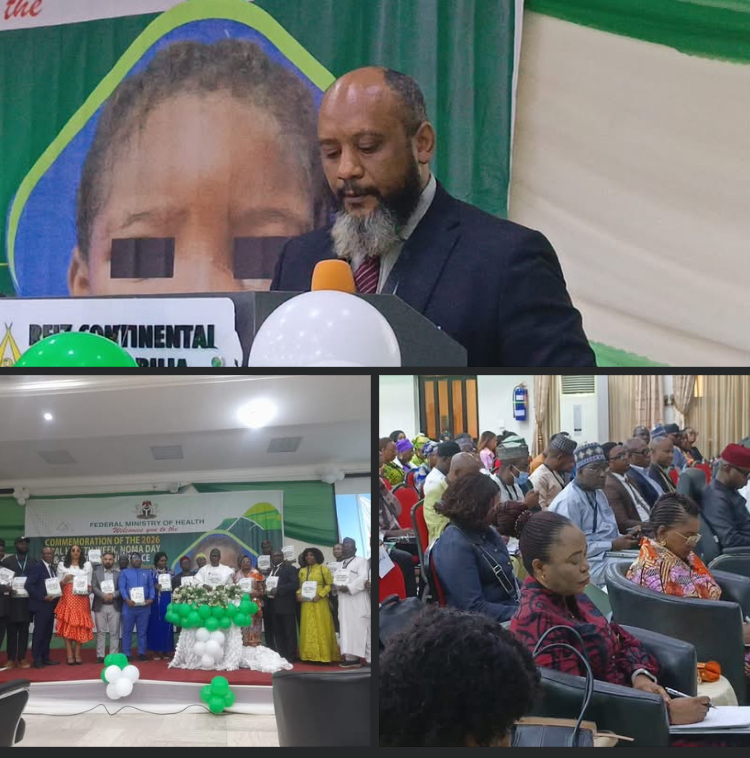
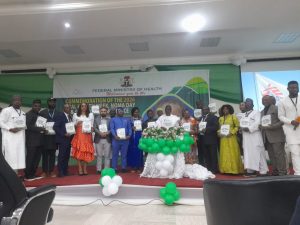
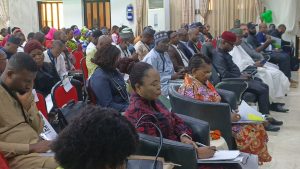
The plan was launched on Monday, November 9, 2026, during the 2026 National Noma Day and National Oral Health Day commemoration and scientific conference held at Reiz Continental Hotel, Abuja.
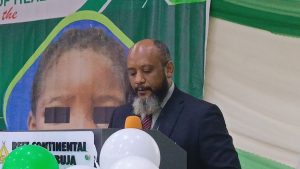
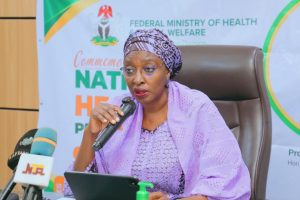
In a goodwill message delivered on behalf of the Permanent Secretary, Federal Ministry of Health and Social Welfare, Daju Kachollom, by her Senior Technical Assistant, Dr Dogara Okara, the ministry reaffirmed the Federal Government’s commitment to preventive healthcare and improved access to quality oral health services.
The ministry identified capacity building for frontline health workers, community awareness and early intervention as critical measures to reducing noma-related complications, stigma and preventable deaths.
Also speaking, the Country Representative of Médecins Sans Frontières (MSF), Dr Aldikhari Ahmed, commended the Federal Government for efforts to integrate noma into primary healthcare guidelines and the SORMAS surveillance system.
He said MSF’s partnership with the Federal Ministry of Health and the Sokoto State Ministry of Health at the Noma Children Hospital, which began in 2014, had facilitated 1,759 major reconstructive surgeries for 1,174 patients through 35 surgical missions.
Ahmed disclosed that 114 surgeries were performed on 96 patients in 2026 alone, while 28 Nigerian surgeons and 14 anaesthetists had received training from international specialists.
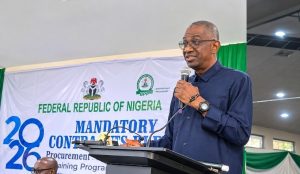
The Minister of State for Health and Social Welfare, Dr Iziaq Adekunle Salako, described noma as a preventable but devastating disease associated with poverty and malnutrition, particularly among children in underserved communities in the North-West and North-East.
He recalled that the World Health Organisation (WHO) recognised noma as a neglected tropical disease in 2023, describing the development as a significant step towards drawing global attention to the disease.
Salako said the Federal Government had integrated noma surveillance into the Integrated Disease Surveillance and Response System and was incorporating oral healthcare into primary healthcare services.
He disclosed that more than 87 per cent of Nigerians had never visited a dentist, warning that poor oral health could have wider implications for individual and public health.
The minister also said the Federal Executive Council had approved the National Centre for Oral Health Establishment Bill 2026 and forwarded it to the National Assembly for consideration.
Meanwhile, the Chairman of the Senate Committee on Health, Senator Ipalibo Harry Banigo, said the recognition of noma must be matched with deliberate government action and sustained investment.
She said the 2026 Appropriation Act would provide an opportunity for specific provisions for noma prevention and control, including funding for training, research and improved healthcare facilities.
In a presentation on MSF’s collaboration with the Sokoto State Ministry of Health from 2014 to 2026, the organisation’s Medical Coordinator in Nigeria, Dr Bukola Oluyide, said the Noma Children Hospital in Sokoto recorded 1,721 admissions between 2014 and October 2026, comprising 868 males and 853 females.
She added that the hospital recorded 5,802 physiotherapy contacts during the period.
Oluyide further disclosed that facility-level screening conducted between July and October 2026 covered 5,441 people in Gummi, 2,728 in Sokoto and 4,746 in Talata Mafara.
She identified low community awareness, late presentation, poverty, transportation costs, insecurity and stigma as major challenges affecting noma prevention and treatment.
The conference ended with calls for increased investment, effective surveillance, community participation and sustained partnerships to eliminate noma and improve oral health outcomes across the country.