Civil-Military Dialogue: Stakeholders Call for Stronger Accountability, Civic Space Protection, Election Security Ahead of 2027
By Salami , Abdulrahaman | Pan Afric ReportersAbuja
Stakeholders from government, civil society organisations, security agencies, and other sectors have called for stronger civil-military relations, protection of civic space, and improved electoral security ahead of Nigeria’s 2027 general elections
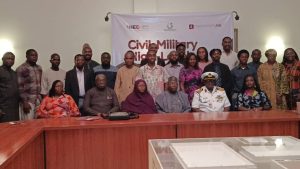
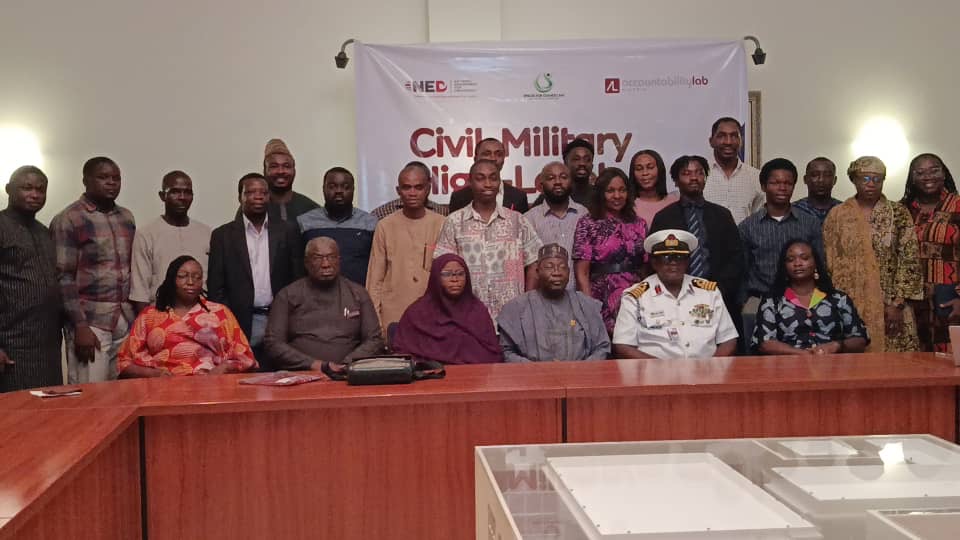
The call was made at a two-day Civil-Military High-Level Multi-Stakeholder Dialogue on Democratic Resilience, Civic Space and Election Security, organised by Accountability Lab Nigeria on November 10 and 11, 2026, in Abuja.
The dialogue examined emerging threats to democratic governance, civil-military relations, accountability, public trust, and inclusive governance, with participants emphasising the need for stronger collaboration among security institutions, civil society organisations, and citizens
In his opening remarks, the Country Director of Accountability Lab Nigeria, Odeh Friday, expressed concern over growing insecurity and the shrinking civic space, particularly in Kaduna, PlBenue states.
He observed that citizens were increasingly expressing grievances without receiving adequate attention, warning that the situation could fuel frustration and aggressive reactions.
Friday stressed the importance of security agencies understanding the concerns of communities, while citizens should also appreciate the operational challenges confronting security institutions.
He noted that building mutual trust and understanding between security agencies and the public was critical to addressing insecurity and strengthening democratic institutions.
Speaking on the obligations of security agencies under the Nigeria Data Protection Act, 2023, a representative of the Nigeria Data Protection Commission (NDPC), Ibukunoluwa Owa, said exemptions granted to national security agencies under Section 3 of the Act were not absolute.
Owa identified lawfulness, data minimisation, purpose limitation, data security and transparency as key principles that must guide the collection, processing, storage and sharing of personal information during security operations, investigations, arrests and detention.
She explained that personal information, including fingerprints, photographs, and phone records obtained during investigations, must be adequately protected against unauthorised access and disclosure.
She also emphasised the need to respect citizens’ constitutional rights to personal liberty under Section 35 and privacy under Section 37 of the Constitution.
According to her, individuals whose personal data have been unlawfully collected or disclosed have the right to seek redress through the NDPC and appropriate legal channels.
In another presentation, Captain MD Fela of the Nigerian Navy examined electoral security and the militarisation of elections, noting that credible elections go beyond the act of voting to include the freedom of citizens to participate without intimidation or fear.
He identified political violence, voter intimidation, electoral manipulation, attacks on election officials and facilities, and inappropriate deployment of security personnel as major threats to public confidence in the electoral process.
Fela stressed that security personnel deployed during elections must demonstrate professionalism, political neutrality, and accountability, adding that their primary responsibility should be to protect voters, electoral officials, and facilities rather than create fear among citizens.
As Nigeria prepares for the 2027 general elections, participants underscored the importance of sustained collaboration among security institutions, civil society organisations, the media, and local communities.
They maintained that protecting civic freedoms, respecting citizens’ rights, and strengthening institutional accountability would be essential to ensuring peaceful elections and building democratic resilience.