BPP Trains Procurement Officers for 2026 Promotion Examination, Warns Against Corruption

Representative of the DG, BPP and Director, Civil Infrastructure, Engr. Nasir M. Bello, 7th right, other staff of BPP and the Participants in a group photograph after the opening ceremony of the Refresher Training Course in Abuja
By Pan Afric Reporters
The Bureau of Public Procurement (BPP) has commenced a three-day refresher training for procurement officers on Salary Grade Levels 08–13, ahead of the 2026 promotion examination, with a strong warning against corruption, undue influence and violations of procurement regulations.
The Bureau disclosed this in a press release dated November 16, 2026, signed by its Head of Information and Public Relations, Chijioke-Adindu Ijeoma, stating that the training was taking place at the Bank of Industry Conference Hall, Abuja, from November 16 to 18, with participants drawn from Ministries, Departments and Agencies (MDAs) across the Federal Civil Service.
The Director-General of BPP, Dr. Adebowale A. Adedokun, represented by the Director of Civil Infrastructure Department, Engr. Nasir Bello, declared the programme open and described the initiative as timely, given the evolving demands of public procurement and the increasing responsibilities of procurement professionals.
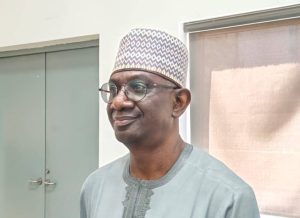
Adedokun commended the Administration Department, particularly the Mobility Unit, for organising the programme, noting that public procurement remained a critical instrument of governance through which government policies and development priorities are translated into projects, goods and services for citizens.
He stressed that procurement went beyond routine acquisition processes, requiring sound professional judgement, integrity, transparency, accountability, fairness and strict compliance with the Public Procurement Act, 2007.
The BPP chief reminded participants that their decisions and conduct directly influenced government expenditure, institutional performance, project implementation and public confidence in government.
He charged them to serve as responsible ambassadors of the procurement regulatory framework in their respective MDAs, warning against compromising due process under pressure from superiors, colleagues, contractors or other interested parties.
“Defending the Procurement Act does not mean protecting individual interests or resisting legitimate institutional instructions; rather, it means upholding the law, ensuring that procurement decisions are based on established procedures and professionally advising against actions that may compromise due process,” he stated.

Adedokun also cautioned the officers against conflicts of interest, favouritism, collusion, unauthorised disclosure of confidential procurement information and other unethical practices capable of undermining public confidence in the procurement system.
Emphasising accountability in the management of public funds, he said every procurement decision must reflect economy, efficiency, transparency and value for money.
“Public procurement involves public funds, and every naira spent must be accounted for. Your responsibility is not merely to facilitate the award of contracts but to ensure that public resources are utilised efficiently, economically and in accordance with the law,” he added.
The Director-General further highlighted the transformation of the procurement profession through digitalisation, electronic procurement systems, improved planning, data management, sustainability considerations and growing demands for accountability.
He urged the participants to acquire the knowledge and technical skills required to adapt to these developments, stressing that the future of public procurement depended on practitioners embracing innovation, technology and internationally recognised professional standards.
Adedokun also underscored the importance of effective contract management, monitoring, evaluation and documentation, noting that procurement officers’ responsibilities extended beyond contract awards to ensuring that projects and services were delivered in accordance with agreed specifications and contractual obligations.
He explained that the refresher course was designed not only to update participants’ professional knowledge but also to prepare them adequately for the 2026 promotion examination.
He consequently advised the officers to undertake further studies of the Public Procurement Act, 2007, Public Procurement Regulations, Public Service Rules, applicable Schemes of Service and other relevant government policies and guidelines.
In his remarks, Bello urged participants to approach the forthcoming examination with adequate preparation, confidence and a positive mindset, noting that the assessment would cover areas relevant to their professional responsibilities and official reference materials.

He identified applicable circulars issued by the Office of the Secretary to the Government of the Federation, the BPP and other relevant government documents as important materials for the examination.
Bello expressed optimism that participants would record outstanding success and urged them to translate the knowledge acquired during the training into improved performance in their respective MDAs.
The programme is expected to strengthen the professional competence of procurement officers, reinforce ethical standards and improve the efficiency, transparency and accountability of public procurement administration across the Federal Civil Service.