Defence Minister Summons Service Chiefs Over Rising Attacks on Military Bases
By Onwe Wisdom, Pan Afric Reporters
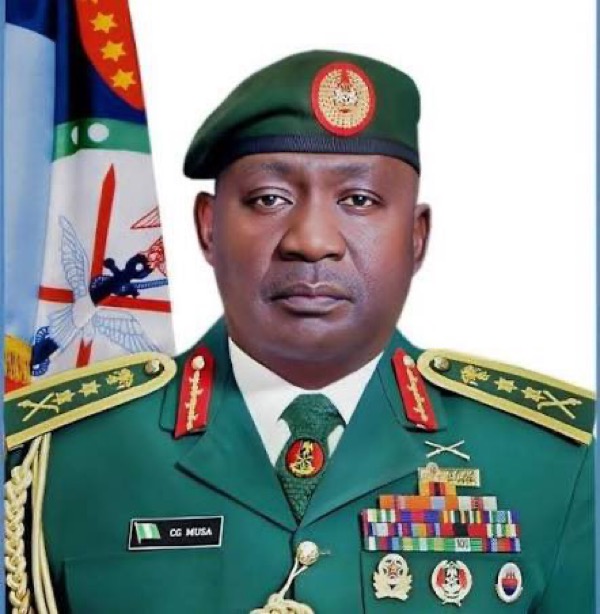
Nigeria’s security leadership is under intense scrutiny as the Minister of Defence, Gen. Christopher Musa (Rtd.) has convened an emergency meeting with the nation’s top military commanders in Abuja following a disturbing surge in terrorist attacks on military formations, particularly in the North-East.
The high-level meeting at the Ministry of Defence headquarters comes amid reports of assaults on military bases in Borno State that left multiple officers and soldiers dead, including at least three commanding officers of Lieutenant-Colonel rank. Security sources also indicate that civilians remain in captivity as insurgents intensify attacks across vulnerable communities.
Among those summoned to the strategic security session are Chief of Defence Staff, General Olufemi Oluyede, Chief of Army Staff, Lt.-Gen. Waidi Shaibu, Chief of Air Staff, Air Marshal Sunday Aneke, Chief of Naval Staff, Vice Admiral Idi Abass along Representatives from the National Intelligence Agency (NIA) and other institutions.
The emergency security meeting is expected to review ongoing military operations and develop more aggressive counter-terrorism strategies aimed at halting the renewed wave of insurgent offensives targeting Nigerian troops. The North-East, which has endured more than a decade of conflict linked to extremist groups, has recently witnessed coordinated assaults on military facilities designed to undermine security operations in the region.
Defence authorities say the meeting focused on strengthening operational synergy among the armed forces, improving intelligence sharing, and deploying innovative battlefield strategies to protect military installations and vulnerable communities.
Officials familiar with the deliberations disclosed that despite recent casualties suffered by Nigerian forces, the military has also inflicted heavy losses on insurgent fighters during retaliatory operations.
Pan Afric Reporters security analysts note that attacks on military bases represent a worrying tactical shift by insurgents seeking to capture weapons, weaken troop morale, and challenge government authority in conflict-affected regions. The recent incidents in Borno have therefore triggered renewed urgency within Nigeria’s defence establishment.
The Defence Minister reportedly stressed the need for commanders to reassess operational tactics, reinforce base security architecture, and accelerate intelligence-driven operations to dismantle terrorist cells across the North-East and other troubled regions of the country.
The emergency session also aligns with ongoing reforms within the defence sector aimed at enhancing strategic coordination in the fight against terrorism, insurgency, banditry, and other forms of violent crime nationwide. As part of these reforms, the Ministry of Defence has introduced periodic operational briefings designed to evaluate battlefield progress and ensure accountability among security agencies.
Observers say the latest meeting signals the federal government’s determination to respond decisively to the evolving security threats confronting the country while reinforcing the operational capacity of the Nigerian Armed Forces.
With the security situation in parts of northern Nigeria remaining fragile, the outcome of the Abuja meeting is expected to shape the next phase of Nigeria’s counter-insurgency strategy and the broader effort to restore stability to affected communities.