ICPC, Kenya’s Anti-Graft Agency Push for United African Front Against Corruption
By Pan Afric Reporters
The Independent Corrupt Practices and Other Related Offences Commission (ICPC) and Kenya’s Ethics and Anti-Corruption Commission (EACC) have called for stronger cross-border collaboration, evidence-based strategies, and shared learning among African nations to effectively combat corruption, warning that no country can win the anti-graft war in isolation.
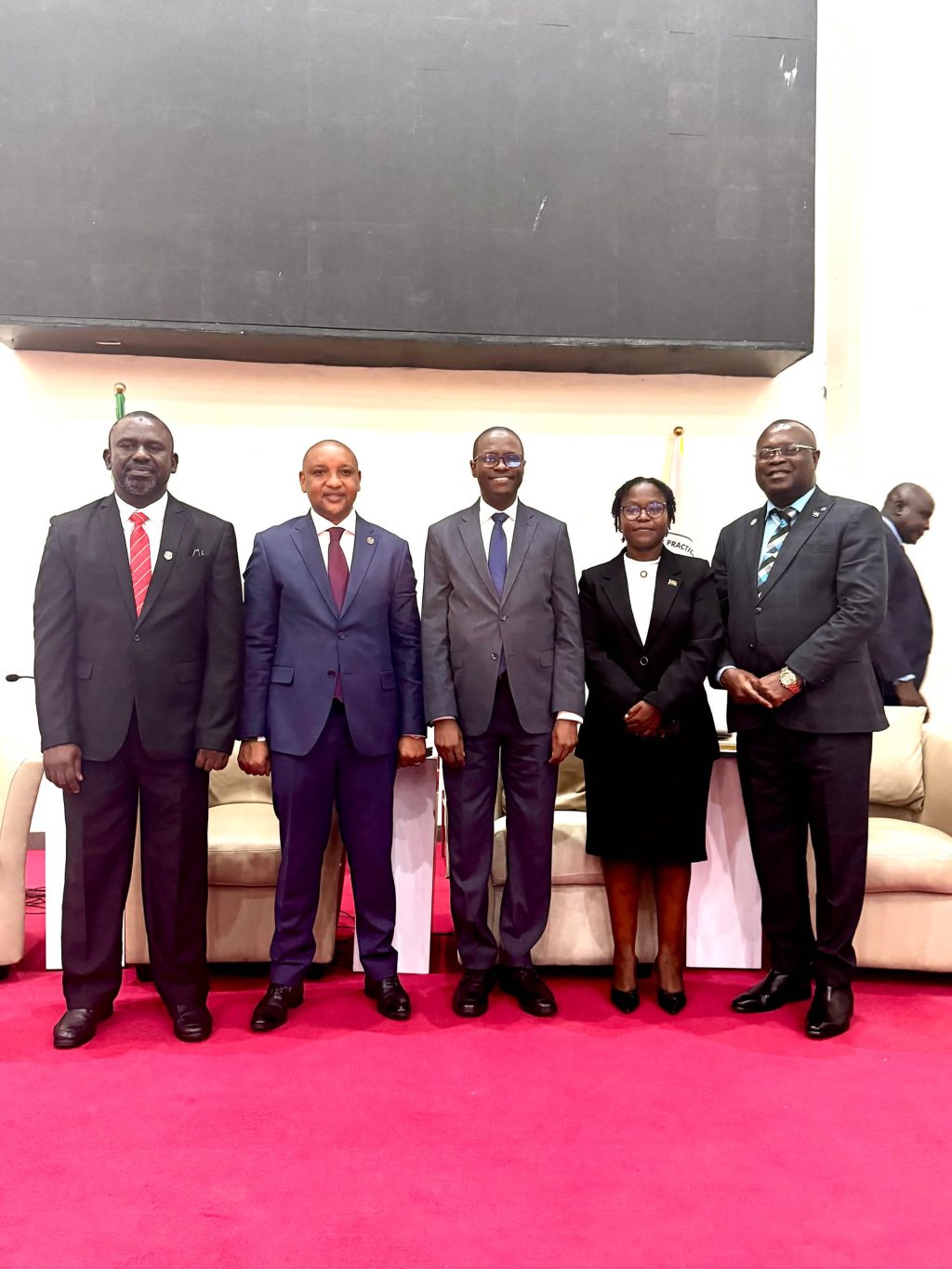
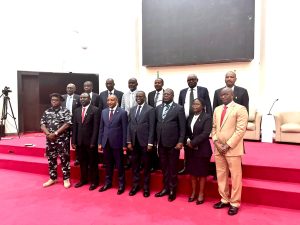
The call was made during the maiden edition of the International Diplomatic Dialogue held at the ICPC headquarters in Abuja, where anti-corruption leaders from Nigeria, Kenya, and Sierra Leone stressed the need for collective action to tackle one of Africa’s most persistent development challenges.
The position was contained in a press release issued by the ICPC and signed by Mr. J. Okor Odey, Head of Media and Public Communications, ICPC, on Tuesday, June 9, 2026.
Speaking at the event, ICPC Chairman, Dr. Musa Adamu Aliyu (SAN), described corruption as a major threat to sustainable development, economic growth, social justice, and public trust across the continent.
According to him, African countries must move beyond isolated approaches and embrace collaborative, data-driven strategies capable of delivering lasting results.
“Continuous engagement and learning from successful international models will be crucial in shaping robust anti-corruption frameworks,” Aliyu said.
The ICPC Chairman noted that the diplomatic dialogue was conceived as a platform for international engagement, knowledge exchange, and collaborative learning aimed at strengthening anti-corruption institutions and frameworks across Africa.
He commended Kenya’s anti-corruption efforts, noting that the experiences of the East African nation offer valuable lessons that could inspire reforms in other countries.
Aliyu also praised the Anti-Corruption Academy of Nigeria (ACAN), led by Professor Sheriff Ghali Ibrahim, for organizing the forum and urged participants to engage freely, ask critical questions, and contribute innovative ideas that could strengthen the fight against corruption.
“Evidence-based prevention methods remain the most effective pathway to sustainable anti-corruption outcomes,” he added.
In his welcome address, the Provost of ACAN, Professor Sheriff Ghali Ibrahim, explained that Kenya was selected for the inaugural dialogue because of its remarkable anti-corruption journey and institutional achievements.
He highlighted Kenya’s success in asset recovery, institutional reforms, and the deployment of digital governance platforms that have significantly reduced opportunities for bribery and abuse of public office.
Delivering the keynote address, Kenya’s High Commissioner to Nigeria, Ambassador Isaac Keen Parashina, traced the evolution of Kenya’s anti-corruption architecture, emphasizing that the country’s 2010 Constitution laid the foundation for transparency, accountability, and integrity in governance.
Parashina outlined several reforms that have strengthened Kenya’s anti-corruption ecosystem, including the establishment of the Ethics and Anti-Corruption Commission (EACC), the Office of the Director of Public Prosecutions (ODPP), and the Asset Recovery Agency (ARA).
He also highlighted key legislation such as the Anti-Corruption and Economic Crimes Act and the Bribery Act, which have enhanced accountability in both public and private sectors.
The Kenyan envoy identified technology as a major tool in promoting transparency and accountability.
“Platforms such as the e-Citizen Portal, the Integrated Financial Management Information System (IFMIS), and electronic government procurement systems have significantly reduced opportunities for corruption by minimizing human interaction in public service delivery,” he stated.
Despite these gains, Ambassador Parashina acknowledged ongoing challenges including cyber-enabled corruption and delays in the judicial process, stressing that stronger institutions and international cooperation remain essential.
He called for deeper collaboration between Nigeria and Kenya in areas such as asset recovery, financial intelligence sharing, and capacity building.
Also speaking, the Deputy High Commissioner of Sierra Leone to Nigeria, Major General Dauda Alfa, described corruption as a major driver of insecurity and underdevelopment across Africa.
According to him, corruption deprives citizens of critical public services and undermines national development efforts.
He pointed to asset declaration as one of Sierra Leone’s key anti-corruption measures and expressed optimism that the Abuja dialogue would generate practical and evidence-based solutions to strengthen integrity systems across the continent.
The participants agreed that the fight against corruption requires stronger regional partnerships, innovative technology-driven solutions, and sustained knowledge-sharing among African nations.
The dialogue marked a significant step toward building a continent-wide coalition dedicated to promoting transparency, accountability, and good governance as essential pillars for Africa’s sustainable development.