ICPC Boss Seeks Global Crackdown on Corruption Fueling Wildlife Trafficking
By Pan Afric Reporters
Calls for Wildlife Crime to Be Treated as Organised Financial Crime at Vienna Summit
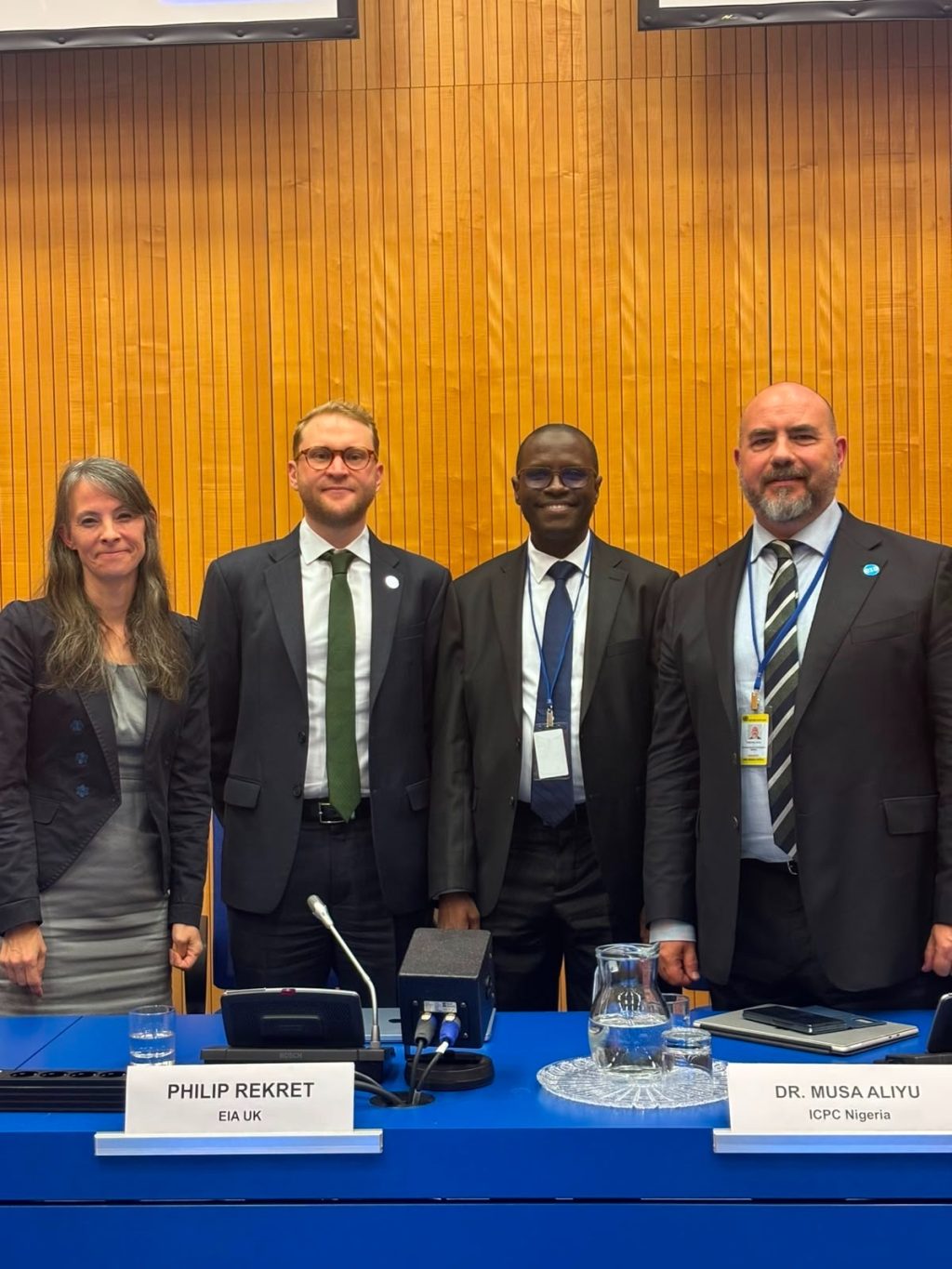
The Chairman of the Independent Corrupt Practices and Other Related Offences Commission (ICPC), Dr. Musa Adamu Aliyu (SAN), has called for a fundamental shift in the global fight against wildlife trafficking, urging governments and law enforcement agencies to tackle the corruption networks that sustain the illicit trade.
Speaking at the 35th Session of the Commission on Crime Prevention and Criminal Justice (CCPCJ) in Vienna, Austria, Dr. Aliyu argued that wildlife trafficking should no longer be viewed solely as a conservation issue but as a sophisticated form of organised financial crime driven by corruption and illicit financial flows.
The position was contained in a press release issued by the Independent Corrupt Practices and Other Related Offences Commission (ICPC) and signed by J. Okor Odey, Head of Media and Public Communications, ICPC, on Thursday, June 11, 2026.
Addressing delegates at the global gathering, the ICPC Chairman said criminal syndicates involved in wildlife trafficking thrive because corruption creates the conditions that allow illegal products, funds, documents and influence to move across borders undetected.
“Wildlife trafficking survives not simply because criminal networks are sophisticated, but because corruption creates the enabling environment through which illicit actors move products, money, documents, and influence,” Dr. Aliyu stated.
He warned that the illegal trade is sustained by an intricate web of vulnerabilities involving transportation systems, customs processes, financial institutions and enforcement agencies, making corruption a central pillar of the criminal enterprise.
In a major policy announcement, Dr. Aliyu disclosed that the ICPC has established a dedicated unit to investigate environmental crimes, signaling a new strategic direction in the Commission’s anti-corruption efforts.
According to him, environmental crimes must now receive the same level of attention traditionally accorded to offences such as money laundering and terrorism financing.
The ICPC Chairman outlined a three-pronged approach to dismantling wildlife trafficking networks, stressing that investigations must focus simultaneously on the illicit products, the financial proceeds generated from the trade, and the corrupt officials or institutions facilitating the criminal activities.
“The Product: the physical illicit goods; The Money: asset tracing and suspicious transaction analysis; and The Corruption Enablers: identifying the officials and systems that facilitate the trade,” he explained.
Dr. Aliyu further advocated the use of advanced investigative tools, including link analysis, financial profiling and digital evidence exploitation, to expose and dismantle the criminal infrastructure behind wildlife trafficking operations.
He also commended the Environmental Investigation Agency (EIA) UK for its partnership with the ICPC, noting that international collaboration remains critical to strengthening institutional responses to environmental crimes and corruption.
Calling for stronger safeguards within customs services, licensing authorities and border management institutions, the ICPC Chairman emphasized that preventing corruption must become a central component of global anti-trafficking efforts.
“If corruption is the lubricant of wildlife trafficking networks, then integrity, intelligence, and interagency cooperation must become the tools through which those networks are dismantled,” he declared.
The Vienna meeting brought together policymakers, anti-corruption agencies, law enforcement authorities and international organisations to discuss strategies for combating transnational crime and strengthening criminal justice systems worldwide.
Dr. Aliyu’s intervention underscores Nigeria’s growing commitment to addressing environmental crimes through anti-corruption frameworks and international cooperation, while reinforcing the country’s role in global efforts to combat illicit wildlife trafficking and related criminal networks.