Stephen Uta Is Building Bridges. History Will Decide Who Failed to Build Theirs
By Paul Iorlaha, Pan Afric Reporters
There are projects that provide infrastructure, and there are projects that expose history.
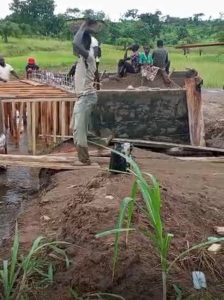
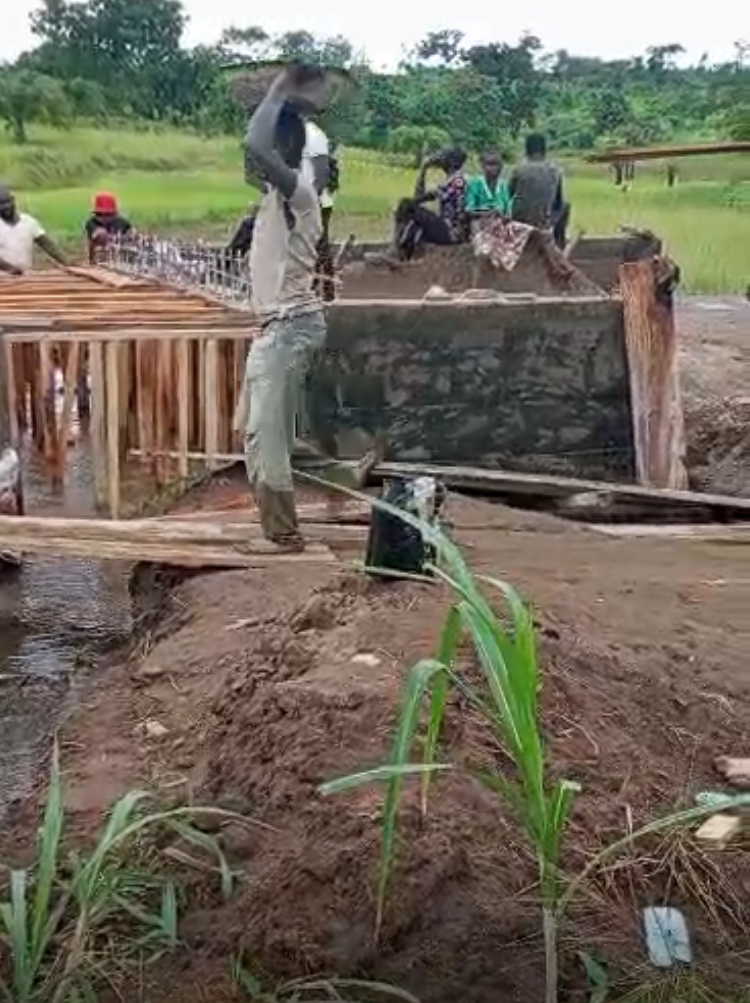
The FOUR bridges currently under construction in Kohol, Shangev-Ya, by Hon. Stephen Aondona Uta fall into the second category.
For decades, Kohol has proudly produced some of the biggest political names in Kwande and Benue State. It is the ancestral home of Hon. Terwase Orbunde, a former Caretaker Chairman of Kwande Local Government, former Member of the House of Representatives, former Chief of Staff to Governor Samuel Ortom and former adviser to a Senate President. It is also the home of former Commissioner Hon. Charles Mary Avuul and Chief Viashima, one of the most visible political figures from the area.
With such an array of political heavyweights, one would naturally expect Kohol to rank among the most developed communities in Kwande.
Instead, the people have lived for years with streams that separate families, hinder farming, disrupt commerce and endanger schoolchildren whenever the rains arrive.
That is why Stephen Uta’s intervention carries a message far louder than concrete and iron.
It asks one simple question: Why did it take this long?
Curiously, Uta has maintained almost complete silence since work began. There have been no media tour, no unnecessary fanfare. That silence suggests a man more interested in solving a problem than owning the headlines. It also fits into Governor Hyacinth Alia’s philosophy that development should reach the rural communities where the needs are greatest.
These bridges should not merely bear names. They should tell a story.
One should be dedicated to Hon. Terwase Orbunde.
Another to Chief Viashima.
Another to Hon. Charles Mary Avuul.
Not as an insult, but as a permanent reminder that leadership is ultimately judged by what remains in the lives of the people after power has gone.
The fourth bridge should bear Stephen Uta’s name not because he asked for recognition, but because when Kohol needed someone to act, he did.
Political offices come and go. Titles expire. Convoys disappear. Influence shifts with every election.
But bridges do not campaign.
They simply stand.
Long after today’s politicians will leave the stage, generations of children will cross those bridges knowing that someone, at some point, decided their community deserved better.
And history has an unforgiving habit of remembering the builder more kindly than the ones that looked away.