Nigeria Reaffirms Strategic Autonomy, Warns Foreign Missions Against Unsolicited Election Lectures
By Pan Afric Reporters
Nigeria has reaffirmed its commitment to an independent and nationally focused foreign policy while cautioning foreign diplomatic missions and international organisations against making unguarded or disparaging comments about the country as the 2027 General Elections approach.
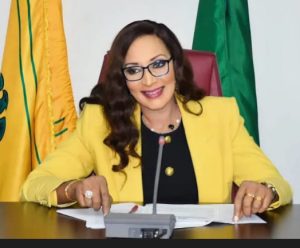
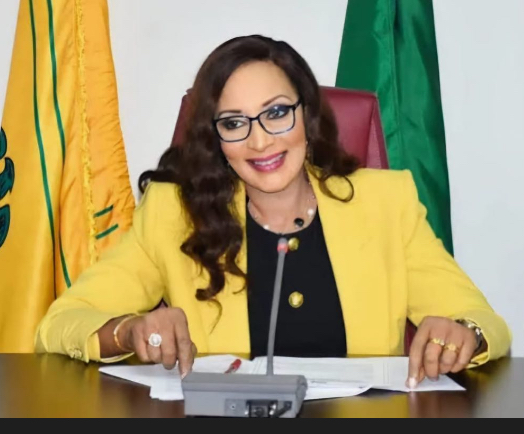
Minister of Foreign Affairs, Ambassador Bianca Odumegwu-Ojukwu, gave the warning on Thursday, September 17, 2026, during her first formal diplomatic briefing with members of the Diplomatic Corps since assuming office as substantive Foreign Affairs Minister.
The statement was contained in a briefing delivered by the Minister at the Ministry of Foreign Affairs in Abuja, where she outlined the administration’s foreign policy direction, diplomatic priorities, consular concerns and Nigeria’s expectations from foreign missions ahead of the 2027 elections.
Odumegwu-Ojukwu said the Federal Government remained committed to democracy and would deliver an election that is peaceful, free, fair and credible, while urging foreign missions to respect Nigeria’s sovereignty and diplomatic processes.
“We would not accept unguarded comments, disparaging remarks, or unsolicited lectures on democracy from any country or international organization,” she said.
The Minister stressed that Nigeria’s size and strategic importance meant that developments in the country carried regional and international implications, particularly as the 2027 elections draw closer.
According to her, the administration of President Bola Ahmed Tinubu’s foreign policy is anchored on the “Four Ds” of Demography, Development, Democracy and Diaspora, with the pillars designed to place Nigeria and Nigerians at the centre of the country’s international engagement.
She explained that the Demography pillar seeks to harness Nigeria’s youthful population through education, technology, innovation, entrepreneurship and skills development, while Development places economic diplomacy at the heart of international relations through trade, investment, infrastructure, agriculture, energy and technology.
“Democracy reflects our commitment to constitutional governance, strong institutions and the peaceful resolution of political differences, while Diaspora recognizes Nigerians abroad as important partners in investment, knowledge transfer and national development,” she said.
The Minister further declared that Nigeria would pursue strategic autonomy in its international relations, maintaining friendship and cooperation with all countries while ensuring that its partnerships are guided by national interest, mutual respect, reciprocity and international obligations.
“Strategic autonomy does not mean isolation; it means preserving Nigeria’s sovereign right to determine the relationships and positions that best serve our people,” Odumegwu-Ojukwu stated.
On bilateral relations, she said the Ministry would intensify efforts to revive dormant Joint Commissions and Bi-national Commissions, noting that diplomatic goodwill must ultimately translate into measurable benefits for citizens.
She said the mechanisms would be deployed to advance cooperation in trade, investment, security, education, technology, health and agriculture, stressing that “the strength of our diplomatic relationships should be measured not only by the warmth of our engagements, but by the tangible benefits they produce for our respective peoples.”
The Minister also reminded members of the Diplomatic Corps that the Ministry of Foreign Affairs remains the official channel of communication between foreign missions and the Nigerian Government, including the Presidency, ministries, departments and agencies.
She appealed to foreign missions to route official communications and requests through the Ministry, arguing that the established channel ensures proper coordination, consistency and effective follow-up.
“The Ministry is not an obstacle between you and the Nigerian Government; we are your bridge to the Nigerian Government,” she said.
On consular matters, Odumegwu-Ojukwu promised improved responsiveness in handling diplomatic correspondence, authentication and legalisation of documents, while also appealing to foreign missions to review visa processes for Nigerian applicants.
She acknowledged the sovereign right of countries to determine their visa policies but said excessively long waiting periods could create difficulties for legitimate travellers, students, businesspersons and families.
The Minister also assured the Diplomatic Corps that the safety and wellbeing of diplomatic and consular personnel, their families, premises and property remained a priority for the Nigerian Government in line with its obligations under the Vienna Conventions.
She encouraged foreign missions to promptly report security concerns to the Ministry for appropriate engagement with relevant government and security agencies.
Odumegwu-Ojukwu further called for stronger cultural diplomacy, noting that cultural exchanges such as the recently organised Diplomatic Bazaar could promote friendship and understanding between Nigeria and the international community.
She said Nigeria remained open to trade, investment, tourism, technology, knowledge transfer and other meaningful partnerships, but insisted that such relationships must be founded on “reciprocity, sovereign equality and mutual respect.”
The Minister said Nigeria would continue to champion dialogue, multilateralism and peaceful resolution of disputes while remaining active in ECOWAS, the African Union, the United Nations, the Commonwealth and other international institutions.
She added that Nigeria would continue advocating for an international system in which Africa’s voice is heard and the continent participates meaningfully in shaping global decisions.
Concluding, Odumegwu-Ojukwu urged the Diplomatic Corps to regard the Ministry not merely as a channel for diplomatic correspondence but as a partner in achieving the legitimate objectives of their respective missions.
“The true measure of our relationships will not be the number of meetings we hold or communiqués we issue. It will be the progress we achieve for our peoples, the investments we facilitate, the opportunities we create, the challenges we resolve and the friendships we strengthen,” she said.