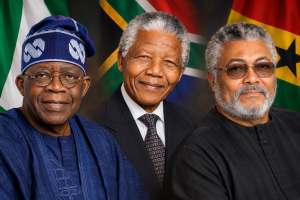
The Problem with Divine Intervention in Leadership
By Abayomi Odunowo.
I marvel at my fellow Africans, and Nigerians in particular, when I observe the fervent prayers emanating from countless religious institutions asking God to bless our country with good leaders. This practice raises a question that has been nagging at me: Why do we, as a populace, continue to fool ourselves into believing that divine intervention can solve the problem of inadequate leadership? This repetition of prayer, particularly during election seasons, mirrors a widespread belief that somehow the Almighty should intervene in our political affairs. I contend that this mentality is not only misplaced but also a dangerous abdication of our responsibilities as citizens.
The crux of the matter is that elections are fundamentally about choices—choices that must be made by the people. If we continue to pray and passively await divine intervention, we are ignoring a critical truth that underlines the essence of democracy: leadership is a reflection of the collective will of the people. To believe that God is responsible for the choosing of leaders is both simplistic and misleading. Many people seem to fail to grasp that God’s role is not to micromanage human affairs or ensure that we select capable leaders.
While some argue that praying for leaders is an expression of faith, I assert that it inadvertently fosters complacency. It leads to a culture of dependency where we expect miracles to occur without taking the requisite steps ourselves to encourage change. When faced with the dire consequences of suboptimal leadership, we tend to turn our eyes skyward, hoping for a divine solution instead of confronting the reality: we, as a people, have failed to exercise our democratic rights and responsibilities critically.
An essential realization must dawn upon us: the quality of leadership in any country is a direct result of the decisions made by its populace. If we are not satisfied with the leaders we have, we must reflect on our own agency. It is essential for us to recognize that the summation of our choices, be they informed or foolish, directly influences who ascends to power. Every time we vote, or choose not to vote, we are making a statement about the kind of leadership we desire.
To move forward, we need a collective awakening—a commitment to thoughtful participation in the electoral process. This entails not only voting but also prioritizing the education of ourselves and our communities about the issues at hand. We must hold our leaders accountable and demand transparency, integrity, and competency. It is our responsibility to question our own biases and preconceived notions about leadership, and, most importantly, to promote a culture of active engagement in politics.
Our collective responsibility extends beyond mere voting; it encompasses nurturing a political tradition that values discernment and rejects mediocrity. As we criticize our leaders for a lack of vision and capability, we should ask ourselves: What role did we play in their ascendance to power? If God is not in the business of choosing leaders, then we must accept the weight of that realism. The decisions we make—whether to turn out and vote, to educate ourselves about candidates and issues, or to engage in civil discourse—are reflections of our commitment to our nation’s future.
Ultimately, I posit that God does not make mistakes; instead, it is we who err when we fail to exercise the responsibility that comes with democratic freedom. It is high time we abandon the notion that prayer alone can yield change in our political landscape. To continue to insist that divine intervention should dictate leadership choices is to misunderstand both democracy and the nature of accountability. The true power lies within us, and it is our duty to ensure that our decisions—built on discernment and wisdom—lead us to leaders who reflect our collective aspirations.
In closing, let us embrace the reality that we govern ourselves through our choices. As we move consistently toward designating leaders, we must do so with an understanding of our critical role in the process. Rather than leaning on prayer alone, we should engage earnestly, think critically, and take ownership of our electoral destiny. Only then can we transform our prayers into action and work towards building a leadership we can be proud of.
Otunba Abdulfalil Abayomi Odunowo
National Chairman AATSG
Mobile: +2349053535322
AATSG Media.
URL: www.AATSG.org.ng
WhatsApp Channel: https://whatsapp.com/channel/0029VadcNX21NCrRShw4S33A
AATSG OFFICIAL
https://play.google.com/store/apps/details?id=com.slim.aatsg
AATSGiD
https://play.google.com/store/apps/details?id=com.myid.aatsgid