Ex-Ohaukwu Council Chairman,Odah Raises Alarm Over Gov Nwifuru’s Marginalization Of Effium Community
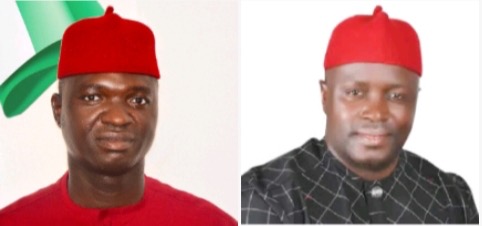
By Alex Odeh, Pan Afric Reporters
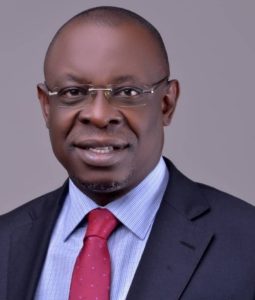
Fresh concerns have surfaced regarding the apparent pattern of political appointments in Ebonyi State, following claims from a former local government Chairman Ohaukwu Local Government Area, Barr Clement Omenkannaya Odah, that Governor Francis Ogbonna Nwifuru’s administration has been marginalising key communities that played instrumental roles in his emergence during the 2023 general elections.
At the forefront of the criticism is a former Chairman of Ohaukwu LGA, Barrister Clement Odah, who, in a forcefully worded statement, claimed that Effium-speaking communities comprising Effium I, Wigbeke I, and Wigbeke III have been substantially shut out of government appointments and patronage since the commencement of the current administration.
Odah, who stated that his political network and supporters worked assiduously across the affected wards to secure the governor’s electoral victories, described the development as “deeply concerning.”
He further insisted that, within the past three years, no indigene from the three wards has been considered for any meaningful appointive or elective position.
While conceding that the administration has recorded notable progress in education and human capital development, Odah argued that governance must be grounded in fairness and genuine inclusivity across every constituency within the state.
“Ebonyi State is a collective entity belonging to all its people, not a select few,” Odah said, urging the governor to confront what he termed an emerging imbalance in the distribution of political opportunities.
The former council boss also alleged that appointments within Ohaukwu LGA have been disproportionately tilted toward a circumscribed interest group, thereby sidelining other political blocs, including members of the Omekannaya Support Group and their associates across Ngbo and Effium.
According to him, the trend risks generating disaffection among loyal party stakeholders who contributed significantly to the administration’s electoral success, but who now appear alienated from the machinery of government.
Beyond appointments, Odah addressed the evolving political landscape ahead of the 2027 general elections, urging the governor to elevate merit, competence, and verifiable records of empowerment when endorsing candidates for elective positions.
He cautioned against an overreliance on incumbency advantage or personal affiliations in candidate selection, warning that such an approach could corrode public trust in leadership.
On the delicate matter of peace in Effium—a community that has endured prolonged communal turbulence—Odah commended government efforts aimed at restoring stability. However, he warned against any action capable of unsettling the fragile peace already taking root.
In particular, he cautioned against permitting individuals alleged to have been implicated in past violence—also cited and indicted by the State Peace Committee—to participate in future elections, describing such a move as one that could establish a perilous precedent.
“A situation where individuals benefit from actions that led to widespread destruction must not be encouraged,” he stated, underscoring that justice and accountability must serve as the bedrock for lasting peace.
Odah further urged the governor to recall the contributions of Effium communities during the 2023 elections, noting that the administration recorded victories in all indigenous wards within the area, even as it lost in others.
He called for urgent measures to ensure the communities are not only acknowledged, but also adequately represented within the governance framework of Ebonyi State.
Panafric reports that as political activities gather momentum toward the 2027 elections, observers believe the concerns raised reflect wider expectations among stakeholders for equitable governance, inclusive leadership, and a more balanced approach to political patronage across Ebonyi State.