Ekiti Poll: EU-SDGN Raises Alarm Over Vote-Buying, Political Intimidation, Disinformation
By Pan Afric Reporters
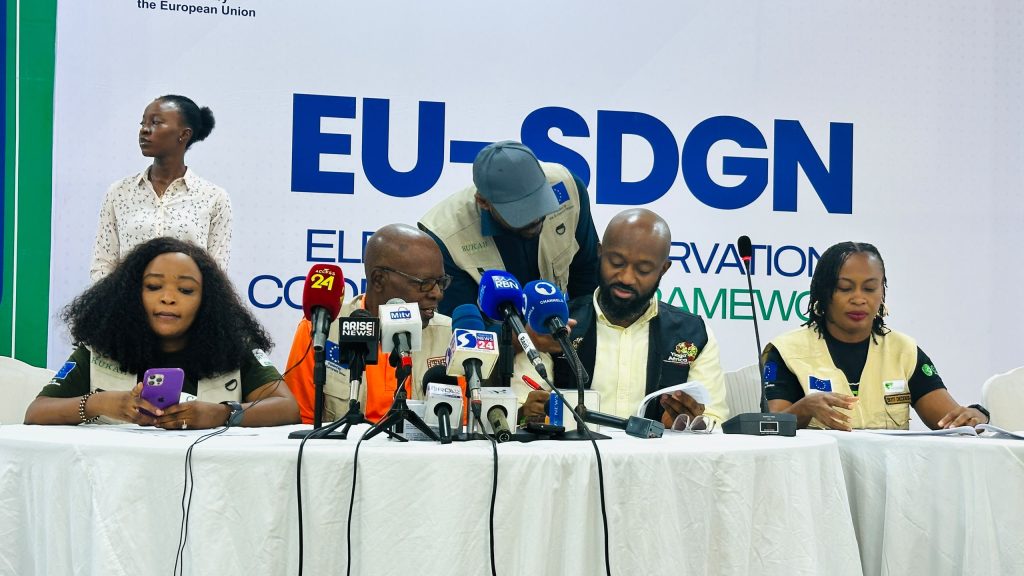
As Ekiti State heads to the polls on Saturday, the European Union Support to Democratic Governance in Nigeria (EU-SDGN) Election Observation Hub has expressed concerns over widespread reports of vote-buying, voter inducement, political intimidation and disinformation, warning that such practices could undermine the credibility of the governorship election.
The observation mission, comprising the International Press Centre (IPC), TAF Africa, Nigerian Women Trust Fund (NWTF), Yiaga Africa, The Kukah Centre and the Centre for Media and Society (CEMESO), made the disclosure in its final pre-election assessment released on Friday ahead of the June 20th governorship election.
The Hub, while acknowledging improvements in the overall security atmosphere and INEC’s preparations, urged all stakeholders to uphold democratic principles and ensure a peaceful, credible and inclusive electoral process.
Vote-Buying, PVC Harvesting Raise Concerns
According to the observers, reports from the field indicate the emergence of organised vote-buying schemes involving the collection of voters’ personal details, including Permanent Voter Cards (PVCs) and National Identification Numbers (NINs), in exchange for financial inducements.
“The menace of voter inducement remains a significant threat to the credibility of elections,” the report stated.
The Hub revealed that incidents were reported in Irepodun/Ifelodun, Ikole, Ikere, Ekiti East and Ekiti West Local Government Areas, where political actors allegedly used money, food items and other materials to influence voters.
It warned that such practices not only compromise electoral integrity but also raise concerns over the misuse of citizens’ personal data for political manipulation.
Political Tension Rising Despite Peace Accord
While noting that political parties and candidates have generally adhered to the provisions of the Peace Accord signed under the auspices of the National Peace Committee, the observers said the state’s political landscape has witnessed significant realignments that have intensified electoral competition.
“Most political actors have conducted their campaigns in an orderly manner and demonstrated respect for the rule of law, with only isolated cases of misconduct,” the report noted.
However, it added that increasing political tensions remain a concern as election day approaches.
The Hub also reported cases of political intimidation, disruption of campaign activities and the deployment of political thugs in parts of Ado-Ekiti, Ikole and Oye LGAs, describing such incidents as capable of eroding public trust in the electoral process.
INEC Prepared, But Challenges Remain
The election observers commended the Independent National Electoral Commission (INEC) for completing eight out of nine scheduled pre-election activities and deploying election materials, personnel and technology ahead of the poll.
The report highlighted INEC’s efforts in configuring BVAS machines, training election officials, distributing sensitive and non-sensitive materials, and implementing accessibility measures for vulnerable voters and persons with disabilities.
However, the Hub expressed concern over the low turnout recorded during INEC’s mock accreditation exercise.
“Effective voter accreditation is essential to prevent fraud and ensure that election results reflect the true will of the electorate,” the statement said.
It further noted that while BVAS functionality was tested, the mock exercise did not include transmission to the INEC Result Viewing Portal (IReV), a process it described as crucial for transparency and public confidence.
Security Agencies Urged to Remain Neutral
On security, the observation mission acknowledged that the atmosphere across the state remains largely peaceful compared to previous governorship elections.
Nevertheless, it identified vulnerabilities in some areas, particularly the exposure of Ikole, Moba and Ilejemeje LGAs to cross-border criminal activities, including kidnapping.
The Hub called on security agencies to maintain professionalism and impartiality throughout the election.
“We urge all security and law enforcement agencies to remain highly professional, impartial and diligent in discharging their primary responsibility of guaranteeing the safety and security of voters, election officials, the media and accredited observers,” the report stated.
It also recommended intelligence-led operations to combat vote trading and other electoral offences.
Women, Persons with Disabilities Face Participation Barriers
The observers expressed concern over what they described as limited attention to measures aimed at enhancing the participation of women and persons with disabilities (PwDs).
According to the report, there are insufficient visible efforts to prevent election-related violence against women, while mobility challenges may hinder some persons with disabilities from accessing polling units.
The Hub urged INEC, political parties, civil society groups and security agencies to ensure the safe and unhindered participation of all eligible voters.
Fake News Threatens Electoral Environment
The EU-SDGN Election Observation Hub also raised concerns about the growing spread of misinformation and disinformation across digital platforms, including Facebook, WhatsApp, TikTok and X.
It cited unverified claims regarding alleged plans by political actors to use cloned PVCs to influence voting outcomes, warning that such narratives could inflame tensions and mislead voters.
“The pre-election information environment is increasingly plagued by misinformation, disinformation and inflammatory political communication,” the observers warned.
Call for Peaceful and Credible Election
The Hub urged political parties and candidates to reject vote-buying, intimidation and violence, while encouraging voters to resist inducements and exercise their franchise freely.
It also advised journalists to verify information before publication, avoid reporting unofficial election results and adopt conflict-sensitive reporting throughout the electoral process.
Describing the Ekiti governorship election as a significant milestone under Nigeria’s new electoral framework and a key test ahead of the 2027 general election, the observers stressed the need for collective responsibility.
“The people of Ekiti State deserve a free, fair, credible and inclusive election that will transparently and accurately reflect their sovereign will,” the statement concluded.
The EU-SDGN Election Observation Hub disclosed that it would issue an Election Day Statement and a comprehensive Post-Election Report following the conduct of the poll and declaration of results.