Senate Gets Public Views on Nwoko’s Bill Advancing Efforts at Facebook, X, TikTok, Others to Establish Physical Offices in Nigeria
By Pan Afric Reporters
The Senate on Thursday advanced efforts to reshape Nigeria’s digital regulatory landscape as it opened a public hearing on a bill seeking to compel global social media platforms, data controllers and data processors operating in the country to establish physical offices in Nigeria, a move lawmakers say will strengthen data protection, enhance national security, create jobs, improve tax compliance and deepen the nation’s digital sovereignty.
The bill, titled “A Bill for an Act to Alter the Nigeria Data Protection Act, 2023, to Mandate the Establishment of Physical Offices within the Territorial Boundaries of the Federal Republic of Nigeria by Social Media Platforms, and for Related Matters (SB. 648),” is sponsored by Senator Ned Munir Nwoko (Delta North).
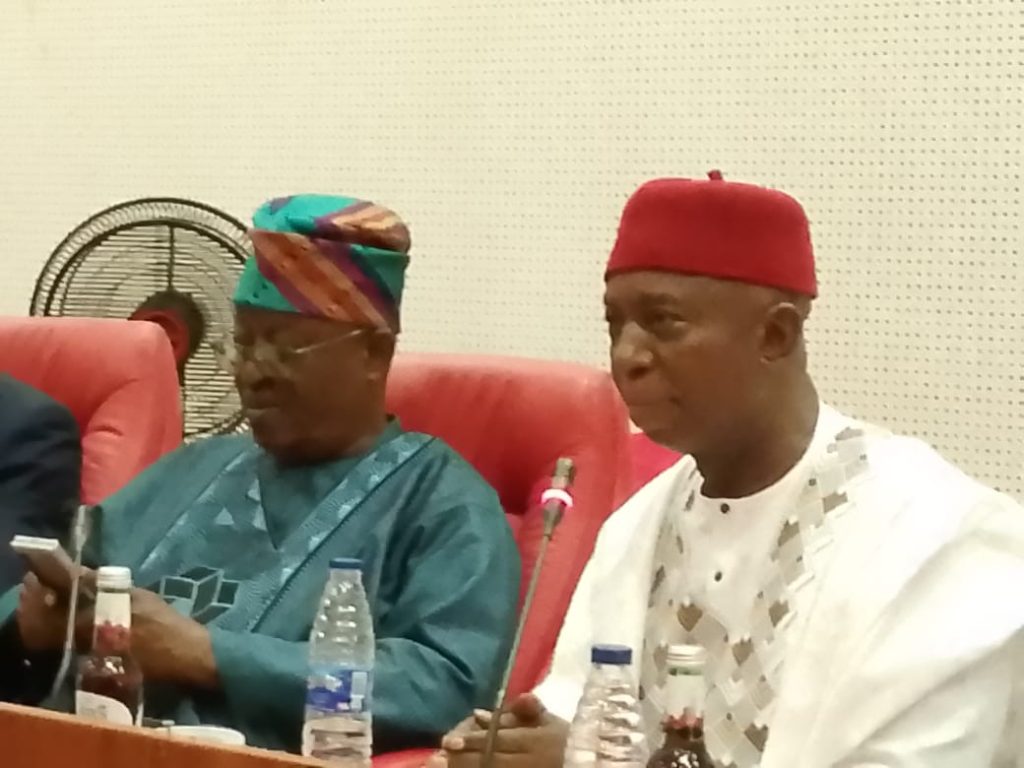
Speaking at the public hearing organised by the Senate Committee on ICT and Cyber Security on Thursday, Senator Nwoko said the proposed legislation was designed to ensure that multinational technology companies operating in Nigeria maintain a meaningful physical presence and become more accountable to Nigerian laws and institutions.
According to the lawmaker, Nigeria, with over 220 million people and one of the world’s highest levels of social media engagement, contributes enormous economic value to global digital platforms without enjoying the institutional benefits associated with their local presence.
“Today, we are not considering an ordinary Bill. We are considering the future of Nigeria’s digital sovereignty, economic interests, national security and the rights of over two hundred million Nigerians who interact daily with some of the world’s largest technology companies,” Nwoko declared.
He noted that despite millions of Nigerians relying daily on platforms such as Facebook, X (formerly Twitter), Instagram, WhatsApp, YouTube, TikTok and Snapchat for communication, commerce, education and civic engagement, the companies continue to operate without establishing offices in the country.
“Nigeria is not a small market. We are Africa’s largest digital population and one of the biggest users of social media anywhere in the world… Yet, despite the enormous value Nigeria contributes to these global platforms, they continue to operate in our airspace without maintaining a meaningful physical presence here,” he said.
What the Bill Proposes
The amendment seeks to alter the Nigeria Data Protection Act, 2023 by empowering the Nigeria Data Protection Commission to mandate all social media platform operators, data controllers and data processors to establish and maintain operational offices within Nigeria.
Under the proposed amendment, any affected company that fails to comply within 30 days could face prohibition from conducting operations within Nigeria.
The bill also introduces new legal definitions for “Data Controllers,” “Data Processors,” “Operators of Social Media Platforms,” “Physical Office,” and “Social Media Platforms” to provide clarity for enforcement.
The explanatory memorandum states that the amendment is intended to facilitate quicker resolution of complaints, strengthen regulatory oversight, build public confidence, align Nigeria with international best practices and deliver economic and security benefits.
Why Nigeria Needs Local Offices
Leading debate on the bill during its second reading, Senator Nwoko argued that the absence of physical offices has created significant regulatory and economic challenges.
He listed delayed resolution of consumer complaints, weak engagement with regulators, difficulty enforcing Nigeria’s data protection laws, missed employment opportunities and limited technology transfer as some of the major gaps the legislation seeks to address.
“This Bill is not an attack on these platforms. It is a call for equity and fairness. It is a demand for respect and recognition of Nigeria’s status as a global leader in digital engagement,” he said.
Nwoko pointed out that multinational companies including MTN, Shell, Chevron, Nestlé and Total have demonstrated the economic benefits of maintaining substantial operations in Nigeria through employment generation, investment and skills development.
He further cited countries such as the United Kingdom, Ireland, India, Singapore, Australia, Japan, Brazil and the United Arab Emirates, where technology companies have established regional headquarters, engineering centres, legal compliance offices and customer support hubs.
According to him, Ireland has emerged as one of Europe’s leading technology hubs because companies such as Meta, Google, LinkedIn, TikTok and X maintain significant operations there, creating thousands of jobs while strengthening regulatory engagement.
“The question therefore is simple: if countries with significantly smaller populations and digital markets than Nigeria have secured these investments and benefits, why should Nigeria continue to stand on the sidelines? Why should Africa’s largest digital market not enjoy the same opportunities?” he asked.
Security, Tax and Consumer Protection
The senator also argued that establishing local offices would strengthen national security by providing direct institutional channels through which Nigerian authorities can engage digital platforms during criminal investigations.
He referenced recent reports of kidnappers allegedly using TikTok Live during a kidnapping incident in Oyo State, as well as alleged cases involving suspected armed bandits livestreaming activities online, saying faster cooperation would improve law enforcement response.
Beyond security, Nwoko maintained that local offices would enhance protection of Nigerians’ personal data, improve consumer complaint resolution, increase compliance with regulatory directives and ensure greater transparency in tax administration.
He said companies earning substantial revenues from Nigerian advertising, subscriptions and digital services should maintain a physical presence that reflects their commercial interests in the country.
“The Bill is neither punitive nor hostile to innovation. It is not designed to frustrate investment or discourage technology companies from operating in Nigeria. On the contrary, it seeks to deepen their engagement with Nigeria by encouraging them to become true corporate citizens of our country,” he stated.
Employment and Technology Transfer
Nwoko also said the legislation could unlock thousands of employment opportunities for Nigerian professionals in engineering, software development, customer support, legal compliance, content moderation and public policy.
He argued that collaboration between global technology firms and Nigerian universities, startups and professionals would accelerate technology transfer, innovation and skills development.
“The Bill seeks to ensure that global digital platforms make similar long-term investments in Nigeria,” he added.
Call for Stakeholder Input
While expressing confidence in the objectives of the bill, Senator Nwoko stressed that the public hearing was intended to ensure broad stakeholder participation before the legislation is finalised.
“One of the greatest strengths of democracy is that legislation must never be enacted without giving the people an opportunity to be heard. That is precisely why we are here today,” he said.
He urged representatives of government agencies, the private sector, civil society organisations, the diplomatic community and technology companies to contribute constructively toward producing legislation that would safeguard Nigeria’s long-term digital and economic interests.
The bill which received overwhelming endorsement of public, is before the Senate Committee on ICT and Cyber Security for consideration of submissions from civil society organizations, practitioners/ professionals, government agencies etc.
The Chairman senate committee on ICT and cyber security, Sen. Shuiabu Afolabi Salisu assures all interests that the committee’s secretariat will ensures all views are aggregated for further legislative action.