Stakeholders Urge Clearer NNPC Strategy for Nigeria’s Energy Transition
By Salami Abdulrahaman | Pan Afric Reporters
Stakeholders in Nigeria’s oil and gas sector have called on the Nigerian National Petroleum Company Limited (NNPC Ltd.) to develop a clear and sustainable strategy for navigating the energy transition while protecting national revenues, investments and the environment.
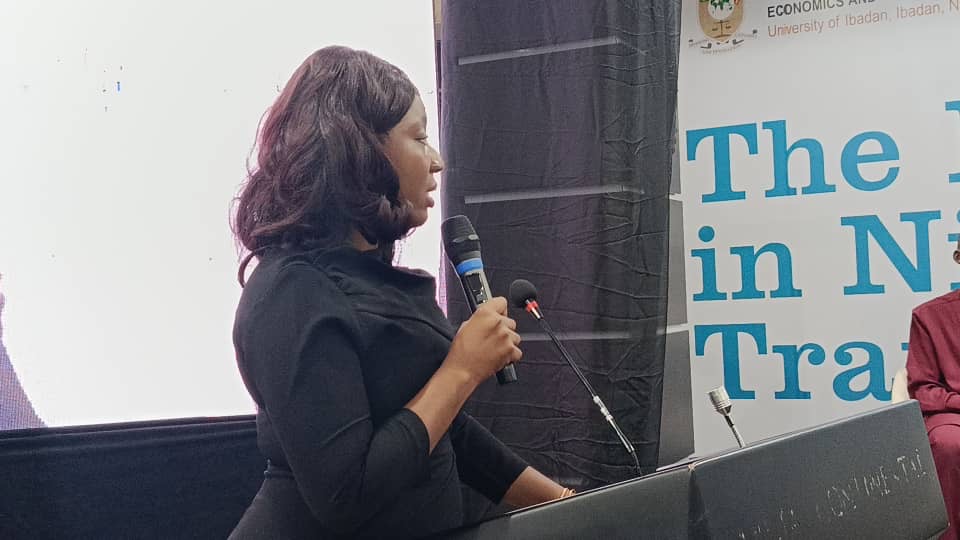
The call was made at a forum themed “The Role of NNPC in Nigeria’s Energy Transition,” where industry experts, regulators and civil society representatives examined the opportunities and risks facing Nigeria amid changing global energy dynamics.
Nigeria Country Manager of the Natural Resource Governance Institute (NRGI), Tengi George-Ikoli, said NNPC Ltd. must play a central role in the country’s energy transition because of its significant stake in Nigeria’s petroleum assets.
“For Nigeria, NNPC plays a very pivotal role. A transition that does not include NNPC is unlikely to succeed,” she said.
George-Ikoli noted that national oil companies worldwide were adopting different approaches to the energy transition, including partial diversification, deeper transformation, and adjustments to their core oil and gas operations.
She said Nigeria needed to define a transition pathway that reflected its national priorities while addressing the environmental, economic, and social implications of continued petroleum production.
She also warned that expanding the use of natural gas as a transition fuel could have environmental and public health consequences without appropriate safeguards. She stressed the need to address liabilities arising from international oil companies’ withdrawal from assets, particularly where host communities could be affected.
George-Ikoli urged NNPC to establish clear frameworks for assessing project risks, including greenhouse gas emissions and changing international trade policies, such as the European Union’s carbon measures.
She also called for stronger collaboration between NNPC and the ministries responsible for planning and finance to develop short -, medium – and long-term strategies for the sector.
Citing NRGI’s Risky Bets analysis, which assesses investment risks against scenarios developed by the International Energy Agency, she said Nigeria faced a 38 per cent risk of projects failing to break even.
“There is a need to right-size and recalibrate our ambitions to ensure that Nigeria invests in projects that are less likely to result in stranded assets,” she said.
She called for public disclosure of NNPC’s sustainability strategy and urged the company to align its investment decisions with Nigeria’s fiscal realities, social priorities, and broader development objectives.
Executive Director of the Centre for Energy, Finance and Development (CEFD), Nicholas Lipollis, described Nigeria as a key indicator of the future of oil and gas production across Africa as the global energy transition gathers pace.
“Nigeria is a key bellwether country for understanding the future of oil and gas production in the face of the energy transition,” he said.
Lipollis said CEFD, a research-based think tank examining energy transition challenges in oil – and gas-producing countries across Africa and Latin America, based its recommendations on evidence rather than imposing predetermined solutions.
He noted that developments such as the Petroleum Industry Act, the removal of fuel subsidies, and the emergence of the Dangote Refinery demonstrated that significant changes were possible in Nigeria’s energy sector, although considerable challenges remained.
Engineer Bamidele Dada of the Energy Sustainability and Carbon Management Division of the Nigerian Upstream Petroleum Regulatory Commission (NUPRC) said Nigeria supported the energy transition while seeking to maximise the benefits of its abundant oil and gas resources.
He explained that natural gas remained central to the country’s transition strategy under the Decade of Gas initiative, declared in 2021.
Dada said a recent licensing bid round had resulted in the award of licences intended to boost petroleum production.
According to him, Nigeria currently produces below two million barrels of oil per day but is targeting three million barrels per day and 12 billion standard cubic feet of natural gas daily by 2030.
“What does this mean for the nation? It means we must continue to sustain production and provide energy for our growing population. However, we can not achieve this without taking environmental sustainability into consideration,” he said.
Dada added that environmentally sustainable production would help attract investment and strengthen Nigeria’s position as a major energy supplier in Africa.
NNPC Ltd. is expected to play a central role in Nigeria’s energy transition by balancing its commercial oil and gas operations with investments in natural gas and lower-carbon energy infrastructure. Its sustainability agenda includes reducing emissions, improving operational efficiency, and expanding investment in renewable energy, while the country’s broader transition strategy seeks to balance energy security, economic development, and emissions reduction.