1.3 BILLION DOLLAR LIVESTOCK ECONOMY: Senate to Block Revenue Leakages, Tighten Financial Oversight
By Pan Afric Reporters
The Senate Committee on Livestock Development has moved to strengthen financial accountability across agencies under the Federal Ministry of Livestock Development, raising concerns over possible revenue leakages and inadequate financial reporting while pledging legislative oversight to improve transparency, resource mobilisation and institutional efficiency to achieving food security especially in proteins production ahead of the 1.3 billion Dollars livestock economy target.
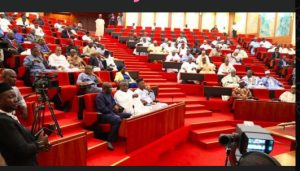
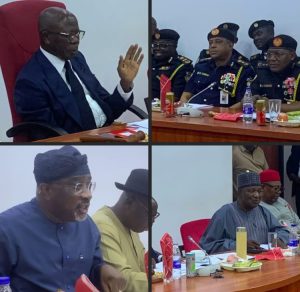
The Deputy Chairman of the committee, Senator Abdul Ningi, disclosed this on Tuesday during an interactive session with agencies under the ministry at the National Assembly in Abuja, where he outlined plans to scrutinise their revenue streams, collection mechanisms, financial records and compliance with applicable treasury regulations.
Ningi expressed concern that some agencies engaged in revenue-generating activities might not be adequately accounting for the financial resources accruing from their operations. He identified tuition and other student-related fees, annual dues, professional registration and certification, grants, research, laboratory services, consultancy and technical services as potential revenue sources requiring effective monitoring and management.
He adds that the planned oversight exercise was designed to identify weaknesses in existing financial systems, close gaps in revenue collection and establish more effective mechanisms for managing public resources. He noted that improved accountability could strengthen the financial capacity of the agencies, enhance service delivery and reduce excessive dependence on government funding.
He explained that the committee would assess the financial conditions of the institutions, the volume of revenue generated, collection procedures, the adequacy of financial documentation and compliance with relevant financial regulations. The exercise would also examine whether the resources available to the agencies were commensurate with their statutory responsibilities and identify administrative bottlenecks or internal control deficiencies that could undermine their operations.
According to Ningi, the intervention was not intended to intimidate agency officials or create an atmosphere of suspicion but to promote institutional development through constructive legislative engagement. He emphasised that the committee was committed to working with the agencies within the provisions of the Nigerian Constitution to address identified challenges and improve their operational performance.
The committee’s deputy chairman stressed that livestock development institutions play critical roles in animal health, disease control, manpower development, research, regulatory enforcement and environmental protection, all of which have implications for national food security, public health and economic growth. He maintained that these responsibilities could not be effectively discharged without adequate funding, modern infrastructure, qualified personnel and sound financial management.
urged committee members and agency officials to approach the oversight exercise with openness, cooperation and a shared commitment to eliminating revenue leakages. He expressed optimism that the process would produce sustainable administrative and financial mechanisms capable of improving institutional accountability and performance beyond the tenure of the current committee.
The interactive session was convened to discuss the scope and modalities of the planned oversight visits and secure the cooperation of the agencies. The committee’s initiative underscores the role of legislative oversight in strengthening public financial management, safeguarding government revenue and ensuring that institutions under the livestock development sector have the resources and accountability structures required to deliver on their mandates.