AfriGEO Symposium: NASRDA, DSA, Benue Seek Stronger Earth Observation Partnerships
By Salami Abdulrahaman | Pan Afric Reporters
The Director-General and Chief Executive Officer of the National Space Research and Development Agency (NASRDA), Prof. Matthew Olumide Adepoju, has called for stronger partnerships, increased investment and sustained capacity development to harness Earth observation technology for Africa’s development.
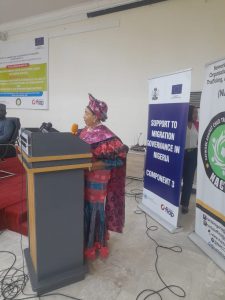
Adepoju made the call at the 10th AfriGEO Symposium in Abuja, where experts, policymakers and researchers examined how Earth observation can support a more resilient Africa.
He said Africa faced growing challenges, including climate change, flooding, drought, food insecurity, water stress and environmental degradation, stressing that the priority should be to turn satellite data into practical decisions and services.
Adepoju highlighted applications in agriculture, disaster management, climate adaptation, water security and environmental monitoring. He also disclosed Nigeria’s plans for a four-satellite constellation comprising optical Earth observation satellites and a synthetic aperture radar satellite to improve national coverage.
The NASRDA boss stressed that no single country or institution could address Africa’s challenges alone, urging stronger collaboration among governments, scientists, policymakers, industry and young innovators.
Also speaking, the Chief of Defence Space Administration (DSA), Major General Philip O. Ilodibia, called for greater cooperation among African space institutions, government agencies, academia, the private sector and international partners.
Ilodibia said Earth observation had moved beyond image collection to the generation of actionable intelligence for agriculture, climate management, disaster response, infrastructure planning and national security. He also urged greater investment in developing young researchers.
Similarly, the Benue State Government pledged to strengthen its use of Earth observation technology for food security, climate resilience and disaster preparedness.
The Deputy Governor, Dr. Sam Ode, who represented Governor Hyacinth Alia, said the technology could help Benue anticipate floods, monitor farms and forests, identify vulnerable communities and improve infrastructure planning.
“Satellites cannot stop the flood, but they can tell us days ahead which communities lie in its path, so that we move people and livestock before the water arrives, not after,” he said.
Ode said Benue was already applying Earth observation and climate information through the World Bank-supported ACReSAL programme and offered the state as a “living laboratory” for developing solutions that could be adapted across Africa.
The Minister of Innovation, Science and Technology, Dr. Kingsley Tochukwu Udeh, SAN, described the symposium as an important platform for African space and geospatial experts to strengthen the continent’s technological capabilities.
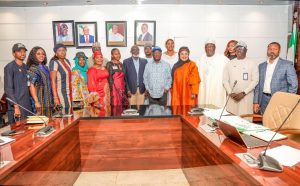
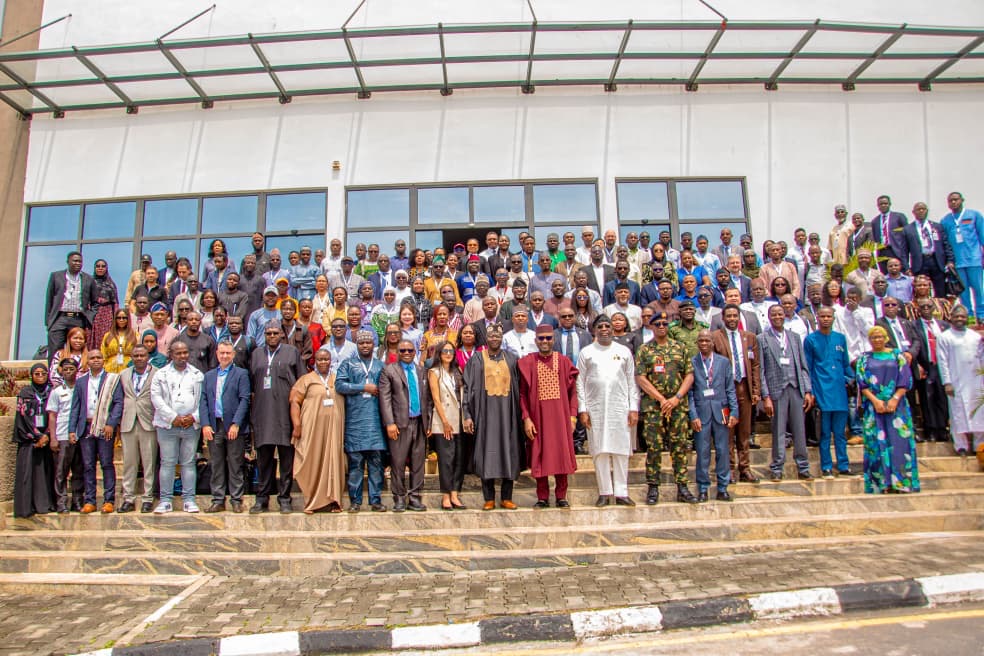
The symposium brought together participants from Nigeria, South Africa, Senegal, Kenya, Madagascar, Egypt, Japan and other countries to promote cooperation in Earth observation, climate resilience, food security, disaster management and security.