WE ARE REFORMING THE HUMANITARIAN LANDSCAPE TO LIFT VULNERABLE NIGERIANS OUT OF POVERTY — DORO
By Pan Afric Reporters
The Federal Government has unveiled plans to train 12,000 out-of-school children in specialised vocational skills as part of broader efforts to reduce poverty, strengthen social protection and integrate vulnerable Nigerians into the productive economy.
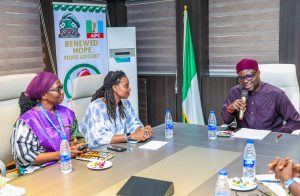
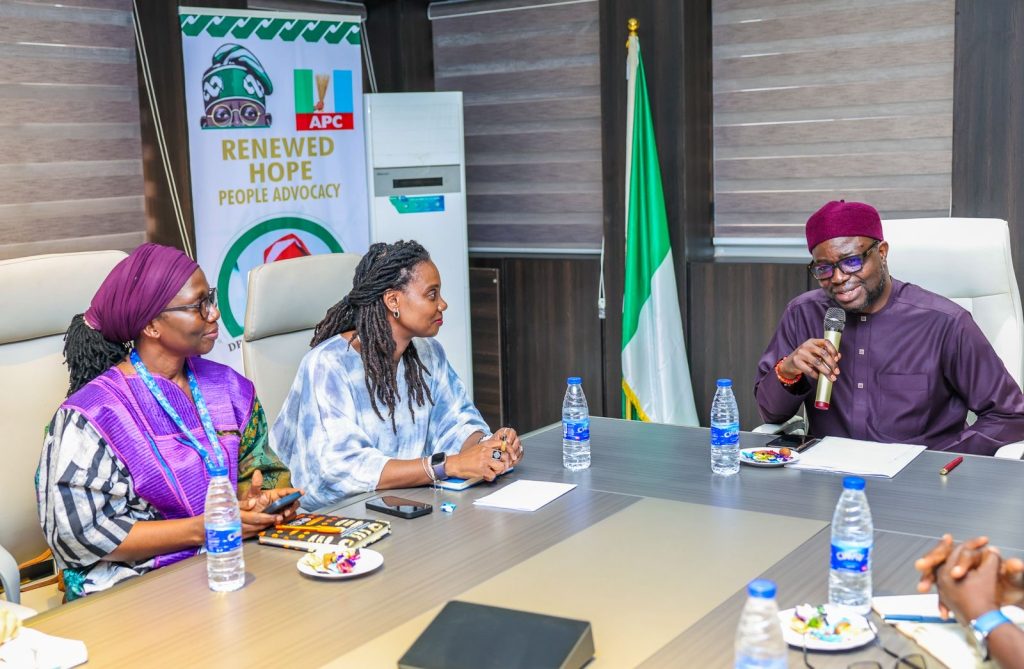
The Minister of Humanitarian Affairs and Poverty Reduction, Dr Bernard M. Doro, disclosed this during a meeting with a delegation from the International Organization for Migration (IOM) Nigeria in Abuja on October 26, according to a press release issued by the ministry on October 27 and signed electronically by its Director of Information and Public Relations, Janet McDickson Noah.
Doro said the government was reforming the humanitarian sector to move vulnerable citizens beyond emergency assistance towards economic stability and sustainable livelihoods.
“We are reforming the humanity landscape to lift up the vulnerables out of poverty,” the minister said, outlining the administration’s efforts to reduce the burden of social crises and enable beneficiaries to contribute meaningfully to the national economy.
He reaffirmed the ministry’s commitment to President Bola Ahmed Tinubu’s Renewed Hope Agenda, which he said prioritised lifting poor and vulnerable Nigerians out of poverty.
The minister also announced that the One Humanitarian, One Poverty Reduction System (OHOPRS) programme was awaiting approval by the Federal Executive Council (FEC). He described the initiative as an integrated framework designed to coordinate humanitarian assistance and social protection from the point of intervention to the eventual graduation of beneficiaries from poverty.
According to Doro, OHOPRS would improve coordination among federal and subnational governments, strengthen collaboration among intervention agencies and deliver more effective outcomes. He added that the ministry was developing 20 models to identify vulnerable groups and guide them through pathways towards stability and self-reliance.
On the planned vocational training initiative, Doro explained that some of the targeted children might have outgrown the conventional school-learning stage, making specialised teaching methods necessary to equip them with employable skills.
He said the beneficiaries would receive training and certification for specific jobs, enabling them to earn a living and contribute to the economy. The programme is estimated to cost $20 million, while four foundations have reportedly expressed interest in supporting its implementation.
The minister called on Nigerians in the diaspora to partner with the ministry in expanding opportunities for vulnerable citizens. He also advocated the establishment of a National Economic Trust Fund, urging the Federal Government, development partners and philanthropists to contribute towards a sustainable funding mechanism for humanitarian and poverty-reduction programmes.
Doro commended the IOM for its humanitarian contributions to Nigeria over the past 25 years, expressing optimism that its partnership with the ministry would deliver greater benefits in the years ahead.
Earlier, the leader of the delegation and IOM Regional Director for West and Central Africa, Sylvia Ekra, attributed the organisation’s progress in Nigeria to its constructive partnership with the government and people, particularly the Ministry of Humanitarian Affairs and Poverty Reduction.
Ekra praised the minister’s vision and leadership, expressing the IOM’s willingness to support the implementation of OHOPRS and contribute to the proposed humanitarian trust fund.
The proposed initiatives form part of the ministry’s broader strategy to strengthen social protection, improve coordination of humanitarian interventions and create sustainable pathways out of poverty for vulnerable Nigerians.