FG Raises Alarm Over Rising Newborn Deaths, Urges Nigerians to Embrace Preventive Healthcare
By Pan Afric Reporters
The Federal Government has urged Nigerians to embrace preventive healthcare, routine medical screening and early diagnosis of diseases, warning that increased public participation is critical to reducing avoidable deaths and improving the country’s health outcomes.
The Federal Ministry of Health and Social Welfare disclosed this in a press release issued on Thursday, October 29, 2026, and signed by Ado Bako, Assistant Director, Information and Public Relations, following the commemoration of the 2026 National Health Promotion Day in Abuja.
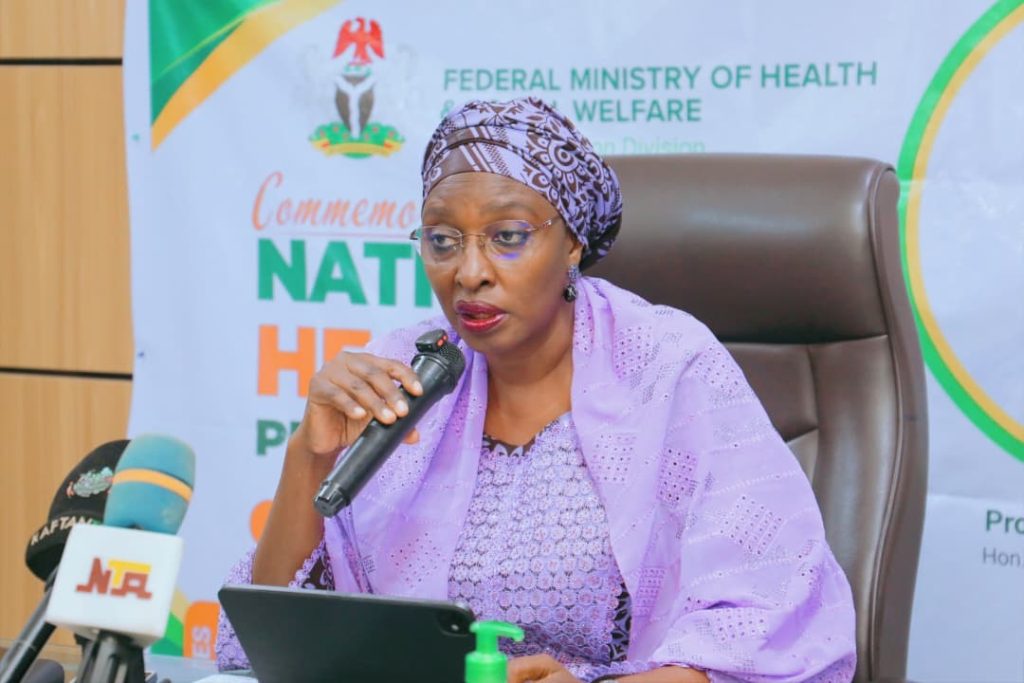
The Coordinating Minister of Health and Social Welfare, Professor Muhammad Ali Pate, made the call in his keynote address, delivered on his behalf by the ministry’s Permanent Secretary, Daju Kachollom S. mni. The event was held under the theme, “Health Promotion: Owning My Health,” with the slogan, “Take Charge, Live Well.”
Pate described health promotion as a strategic investment in Nigeria’s healthcare system, stressing that national health outcomes depend not only on hospital services but also on preventive interventions, informed personal choices and healthier environments.
Citing the 2024 Nigeria Demographic and Health Survey, the minister disclosed that under-five mortality declined from 132 deaths per 1,000 live births in 2018 to 110 in 2024. However, he expressed concern that neonatal mortality rose from 39 to 41 deaths per 1,000 live births within the same period.
The development, he noted, underscores the need to intensify preventive healthcare, early diagnosis and timely access to quality medical services, particularly for newborns and vulnerable populations.
The minister reaffirmed the Federal Government’s commitment to the Health Sector Renewal Investment Initiative, which prioritises improved maternal and child health, stronger primary healthcare, expanded immunisation, prevention of non-communicable diseases and reduced burdens of HIV, tuberculosis and malaria.
He listed ongoing interventions to include hypertension detection, hepatitis elimination through initiatives such as Project 365, cervical cancer prevention and screening, improved nutrition, immunisation and measures to control communicable diseases.
Pate emphasised that the effectiveness of such programmes must be assessed through measurable outcomes, including increased screening, completed referrals, access to treatment and the prevention of avoidable illnesses.
He also warned that public awareness campaigns would have limited impact without accessible and affordable healthcare services.
“Public awareness alone cannot achieve the desired outcomes if people are unable to access screening, obtain appropriate treatment or receive safe and respectful care,” the minister said, stressing that health promotion and patient safety were complementary responsibilities in building a people-centred health system.
The minister called for stronger collaboration among families, schools, workplaces, traditional and religious institutions, the media, civil society organisations, development partners and the private sector to promote healthy diets, physical activity, good hygiene, mental wellbeing, vaccination and routine medical screening.
He further urged federal, state and local governments to integrate health promotion into primary healthcare delivery, community engagement and development planning, particularly to ensure that vulnerable and underserved communities are not left behind.
As Nigeria marked the third National Health Promotion Day, Pate urged citizens to take responsibility for their wellbeing by seeking credible health information, understanding their health risks, participating in recommended screening and immunisation programmes and promptly seeking medical attention when necessary.
Development partners and civil society organisations also reaffirmed their commitment to supporting the ministry’s health promotion initiatives and commended the government for institutionalising the annual observance.
The United Nations Population Fund (UNFPA), represented by Dr Olukunle Omotoso, highlighted the importance of community engagement, health literacy, gender equality and access to sexual and reproductive health services, particularly for women and young people.
CARE International, through its representative, Oluloto Ebenezer, pledged continued support for community-based initiatives aimed at improving health-related behaviour.
Other stakeholders, including the Africa Health Budget Network (AHBN), emphasised the importance of family planning, healthy nutrition and routine screening for hypertension and diabetes.
The Permanent Secretary, Kachollom, encouraged participants to take advantage of screening services provided at the event, describing the exercise as part of efforts to promote early detection and encourage Nigerians to take charge of their health.
The ministry said the success of health promotion should ultimately be measured by lives protected, illnesses prevented and improved health outcomes across the country.