Nigeria Summons South African Envoy Over Killings, Anti-Foreigner Protests
By Onwe Wisdom, Pan Afric Reporters
Nigeria has escalated diplomatic pressure on South Africa following a wave of anti-foreigner protests and the reported deaths of two Nigerian citizens, demanding urgent investigations, accountability, and stronger protection for Nigerians living in the country.
The Federal Government raised alarm over disturbing footage of violence and rising hostility against foreigners—particularly black migrants—warning that the situation threatens longstanding bilateral relations between both countries.
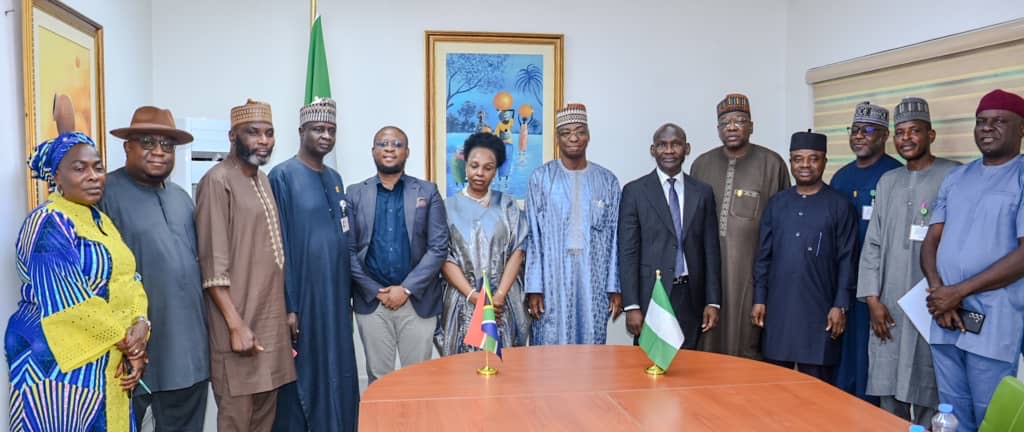
Details of the diplomatic engagement were contained in a press briefing by the Ministry of Foreign Affairs, delivered by its spokesperson, following a high-level meeting between the Permanent Secretary, Dunoma Umar Ahmed, and South Africa’s Acting High Commissioner, Lesoli Machele.
At the meeting in Abuja, Nigeria formally conveyed its “strong concern” over the deaths of Nnaemeka Matthew Andrew Ekpeyong and Kelvin Chidiebere Amaramiro, who reportedly died after sustaining injuries while in the custody of South African security agencies.
According to the Ministry, Ekpeyong died on April 21, 2026, while in the custody of the Tshwane Metro Police Department after allegedly being assaulted by personnel of the South African National Defence Force (SANDF), despite no incriminating evidence being found against him. Amaramiro, on the other hand, reportedly died on April 25 at a hospital in Eastern Cape following a similar alleged assault.
Condemning the incidents, the Nigerian government demanded “thorough and impartial investigations” into both deaths, including the immediate release of autopsy reports and regular updates.
“These incidents have heightened anxiety within the Nigerian community and require urgent, credible remedial action,” the Ministry stated.
Nigeria also raised concerns over threats linked to groups such as Operation Dudula and others reportedly inciting hostility against foreign nationals, urging Pretoria to take proactive steps to prevent violence, intimidation, and profiling.
“There is a need for clear directives against profiling, adherence to due process, and strict enforcement of professional conduct by security agencies,” the government stressed.
While acknowledging public statements by South African authorities condemning extrajudicial actions, Nigeria insisted that such commitments must translate into “consistent action on the ground.”
The Nigerian government further called for full cooperation from South Africa in ensuring justice for victims, including access to legal processes for affected families and accountability for any officials found culpable.
In addition, Abuja pushed for the swift activation of the bilateral Memorandum of Understanding on Early Warning Mechanism, aimed at enabling rapid response and de-escalation in times of crisis.
“Nigeria welcomes the MoU and urges its immediate implementation as a practical tool for addressing emerging threats,” the statement added.
Amid rising tensions, the Ministry urged Nigerians to remain calm, noting that while a small protest had taken place at the South African High Commission in Abuja, citizens must avoid taking the law into their own hands.
It also confirmed that the Minister of Foreign Affairs, Bianca Odumegwu-Ojukwu, had engaged her South African counterpart via telephone to reinforce diplomatic efforts toward resolving the crisis.
In her response, the Acting High Commissioner, Machele, assured that Nigeria’s concerns would be communicated to Pretoria, emphasizing that the protests were not endorsed by the South African government.
She added that necessary steps would be taken to address the issues raised and sustain peaceful relations between both nations.
The Nigerian government reaffirmed its commitment to protecting diplomatic missions and personnel within its territory, even as it presses for reciprocal guarantees for its citizens abroad.