Okey Ndibe’s Airport Interrogation: MOCODE Decries Harassment of Journalists, Says Criticism Strengthens Democracy
By Charles Edet Esq, Fcr
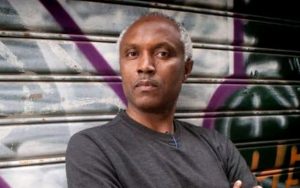
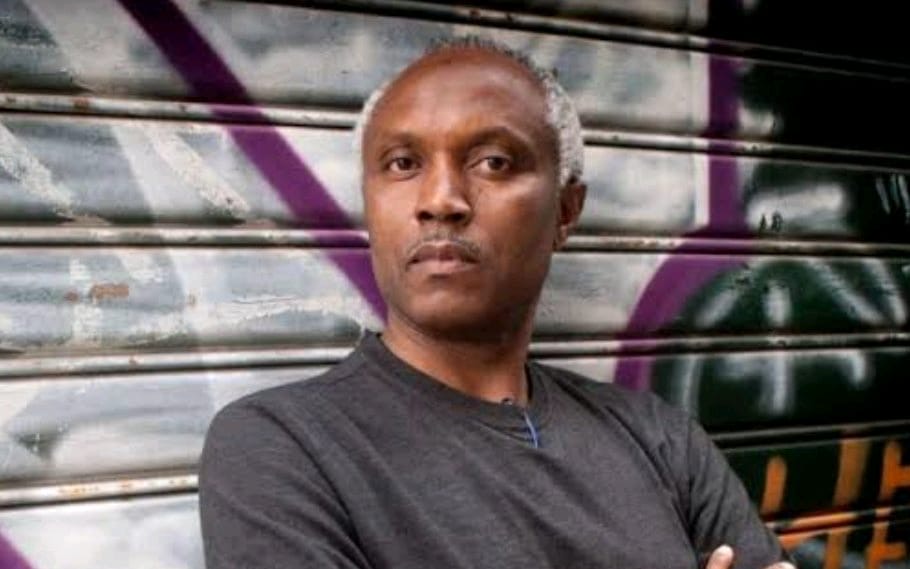
The Movement for the Consolidation of Democracy (MOCODE) has condemned the reported detention and interrogation of renowned Nigerian writer, academic, and public affairs commentator, Professor Okey Ndibe, at the Murtala Muhammed International Airport, Lagos, describing the incident as part of a disturbing pattern of harassment often faced by journalists, intellectuals, and critics of government.
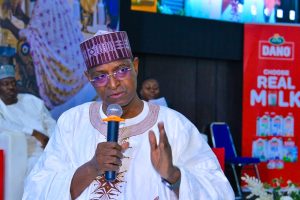
The National Chairman of MOCODE, Offiong Inyang, while reacting to the incident, noted that although Prof. Ndibe was subsequently released, the recurring practice of subjecting journalists and government critics to embarrassing interrogations whenever they express dissenting views or return to the country raises serious concerns about press freedom and democratic governance.
According to Inyang, democracy thrives when citizens are free to express their opinions and hold public officials accountable without fear of intimidation or harassment from state institutions.
“It is becoming a routine occurrence for journalists, writers, and members of the Fourth Estate of the Realm to be treated with suspicion simply because they criticize government policies or public officials. This trend is unhealthy for democracy and capable of discouraging constructive engagement in national affairs,” he said.
The MOCODE chairman stressed that criticism should not be viewed as an act of hostility but rather as a vital ingredient of good governance.
“Criticism strengthens government because it enables leaders to identify shortcomings, make necessary adjustments, and improve service delivery to the people. A government that listens to criticism is often stronger and more effective than one that seeks to silence dissenting voices,” Inyang stated.
Referring specifically to the case of Prof. Okey Ndibe, he said the respected author’s reported airport interrogation had once again drawn attention to the challenges faced by journalists, writers, and public commentators who express independent opinions on matters of national importance.
“The case involving Professor Okey Ndibe should serve as a reminder that democracy is strengthened—not weakened—by free expression. Journalists and public intellectuals should not be made to feel like enemies of the state simply because they hold opinions that differ from those of government officials,” he added.
Inyang urged security agencies to respect press freedom and focus greater attention on tackling the nation’s worsening security challenges, including terrorism, banditry, kidnapping, and other violent crimes.
“Our security agencies should channel more energy toward addressing the insecurity plaguing the nation rather than creating the impression that critics of government are targets of official suspicion. Nigerians expect security institutions to protect lives and property while respecting the constitutional rights of citizens,” he said.
MOCODE further called on authorities at all levels to uphold the constitutional guarantees of freedom of expression and freedom of the press, describing an independent media as indispensable to transparency, accountability, and democratic development.
The organization reiterated that a vibrant democracy depends on the ability of journalists, writers, academics, and civil society actors to perform their legitimate roles without fear, intimidation, harassment, or undue interference.