Functions of Every Arm of Government Depend on Information — IIJ Deputy Director
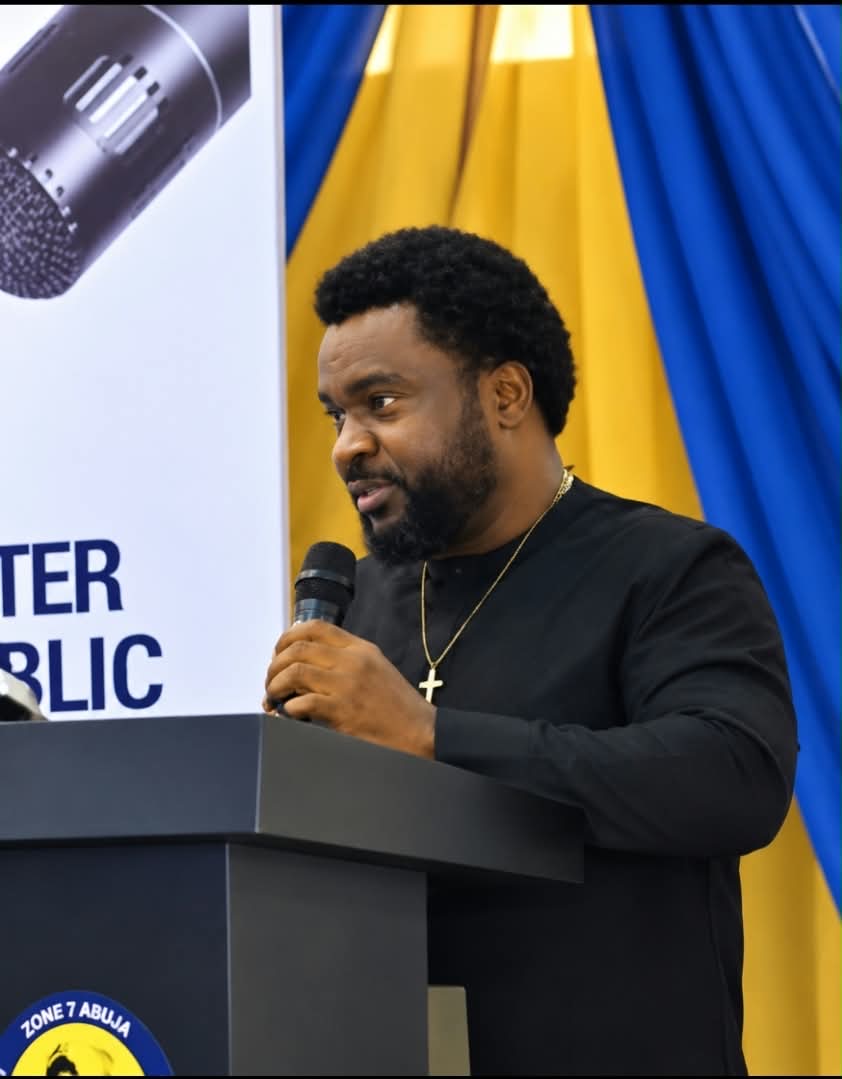
By Onwe Wisdom | Pan Afric Reporters
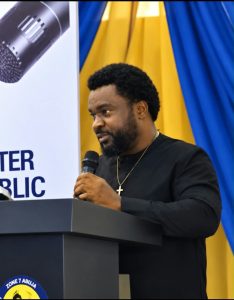
The Deputy Director of the International Institute of Journalism (IIJ), Abuja Dr. Nicholas Igwenagu, has stressed the critical role of accurate and timely information in enabling government institutions, particularly security agencies, to effectively discharge their responsibilities.
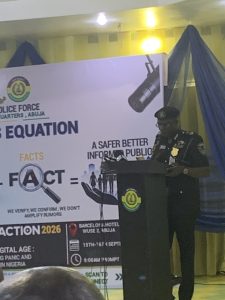
Igwenagu stated this in his goodwill message on behalf of the International Institute of Journalism at the opening of a training programme organised by the Nigeria Police Force, Zone 7 Headquarters, Abuja, with the theme, “Reporting Security in the Digital Age: Curtailing Misinformation, Preventing Panic and Upholding Fact-Based Journalism in Nigeria,” held at Barcelona Hotel, Abuja.
According to him, the effective functioning of the various arms of government depends largely on the availability of credible information, stressing that without timely and accurate reports, government and security agencies may find it difficult to understand developments within the society and respond appropriately.
He said: “The functions of various arms of government depend on information. Without information, it will be difficult to know what is going on in various places.”
The IIJ Deputy Director, who represented the journalism institution at the event, said the training was particularly important in promoting the culture of providing the right information at the right time, noting that accuracy and timeliness remain fundamental principles of journalism.
He explained that journalists and other information providers have a responsibility to ensure that the information reaching the public and government is properly verified and accurately presented.
“That is the major reason why this training is important: to inculcate the culture of giving the right information at the right time. Timely reports and accurate reports are the core of journalism, and that is where success starts from,” he said.
Igwenagu noted that the Nigerian Union of Journalists (NUJ) has remained at the forefront of capacity building and collaboration with the military, police and other paramilitary organisations, both locally and internationally, with the broader objective of ensuring that citizens are adequately informed.
He stressed that the responsibility of promoting responsible information dissemination was no longer restricted to formally trained journalists, particularly in the digital age where social media platforms have made virtually everyone an information disseminator.
According to him, people who share information through WhatsApp, Instagram, Facebook and other social media platforms are, in practical terms, participating in the information disseminating ecosystem and therefore need to understand the principles of responsible communication.
“Every day you send messages on WhatsApp, Instagram, Facebook and other social media. If you go to the dictionary or try to understand what journalism is all about, you discover that you are practising journalism without being trained,” he said.
He therefore urged participants to pay close attention to the training and acquire practical strategies that would enable them to responsibly handle information, particularly security-related information capable of either promoting peace or creating confusion and panic.
“It is very important that you pay attention to see what strategies and tactics you can go home with that you can apply,” Kwenagu advised.
He further explained that the training was not designed exclusively for professional journalists, but also for everyone involved in disseminating information, given the speed and reach of communication in the digital era.
“It is not just for the journalists that we are inviting. It is for everyone who knows that one way or the other is involved in sending messages, whether it is messages of peace or confusion. Message is message,” he stated.
The IIJ Deputy Director also reaffirmed the commitment of the journalism community to strengthening collaboration with the Nigeria Police Force, stressing that credible information remains indispensable to effective policing and security operations.
He observed that policemen cannot be physically present everywhere to know what is happening, making information from members of the public, journalists and other sources essential to their investigative and operational responsibilities.
“Policemen are not native doctor. They cannot sit in the office and know what is happening. It is somebody else that must report what is happening. They are only there to get it,” he said.
Igwenagu noted that credible reports could provide security agencies with the leads required to investigate incidents and get to the root of security challenges.
He therefore assured the Nigeria Police Force of continued partnership and collaboration from the journalism community in the interest of national security and public safety.
“On behalf of the Nigerian Union of Journalists, the umbrella body of journalism, I want to assure the public and Nigerian policemen especially that we will continue to work together now till the end of time,” he added.