High Rents, Weak Laws: HipCity Centre Pushes for Tenancy Reform in Abuja
By Salami Abdulrahaman | Pan Afric Reporters
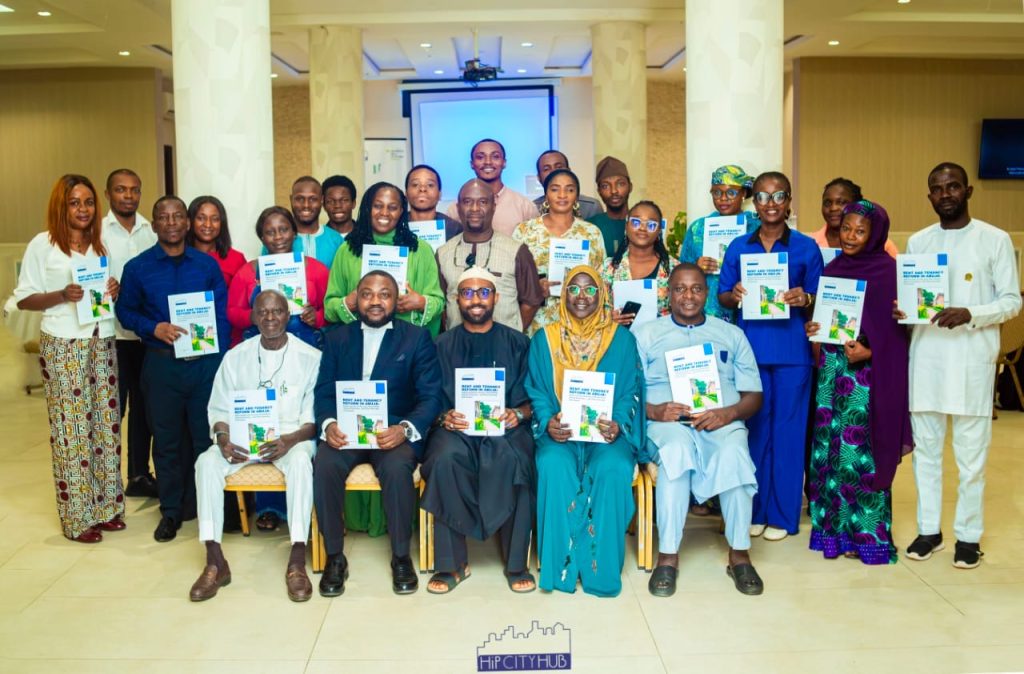
The HipCity Innovation Centre, in collaboration with the Heinrich Böll Stiftung Abuja, has unveiled a policy brief on rent and tenancy reform in Abuja, calling for measures to make housing more affordable, transparent and accessible.
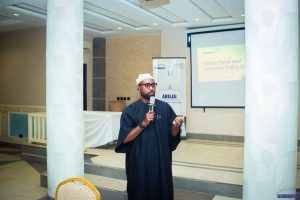
Speaking at the launch, the Executive Director of HipCity Innovation Centre, Mr Bassey Bassey, said the absence of a comprehensive tenancy framework in the Federal Capital Territory (FCT) had fuelled exploitative rental practices, evictions without due process and limited access to affordable dispute-resolution mechanisms.
Bassey said the brief was based on an assessment of tenancy governance in Abuja and Lagos, with the aim of identifying practical and immediately feasible reform options for the FCT.

He noted that while Lagos operates a relatively structured framework under the Lagos State Tenancy Law, Abuja relies mainly on the Recovery of Premises Act, which focuses largely on eviction procedures and provides limited guidance on broader landlord-tenant relations.
According to him, the proposed reforms seek to strengthen tenancy governance, protect both landlords and tenants, improve transparency in the rental market, and provide accessible mechanisms for resolving disputes.
The policy brief was presented on Tuesday at Hotel 2020, Wuye, Abuja, during a stakeholders’ engagement attended by housing experts, civil society organisations and government representatives.
The brief identified rental affordability, weak tenant protection, poor housing infrastructure, high transportation costs and weak tenancy governance as major challenges facing residents, particularly low- and middle-income earners.
It also highlighted the need for clearer rules governing landlord-tenant relationships, improved access to information, greater transparency in rental transactions and stronger dispute-resolution mechanisms.
Discussions at the event centred on high rents, transportation costs, inadequate infrastructure, tenant rights and the activities of estate agents in the FCT.
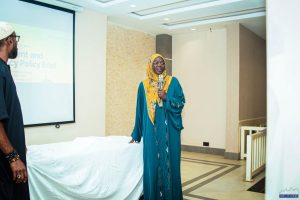
Speaking on challenges facing young people, Aisha Ndakun of Social Action said reducing transportation costs should be part of efforts to address housing challenges.
She noted that commuters from Nyanya, Mararaba and Kubwa often face high fares and difficult commuting conditions, stressing that housing location and cost should be considered alongside transportation expenses.
Ndakun called for affordable housing, lower rents in areas where many young people live, and access to basic amenities, including potable water, good roads and electricity.
She also called for public awareness campaigns to help tenants understand and enforce their rights, urging agencies such as the National Orientation Agency (NOA) to lead sensitisation efforts on tenant rights.
She further advocated clearer regulation of estate agents through registration and standardised charges, noting that transparent fees would help tenants plan their housing budgets and reduce exploitation.
Also speaking, Dr Bashirat Abdulrazeez said affordable accommodation should be considered alongside transportation, electricity, infrastructure, safety and proximity to workplaces and schools.
Abdulrazeez said she chose to live in Bwari because of relatively affordable rent and school fees, but the distance to the University of Abuja results in long journeys, traffic delays and exhaustion.
She added that unreliable electricity in suburban communities forces residents to incur extra costs on alternatives such as solar power.
While accommodation in the city centre may be more expensive, she noted that shorter commutes could reduce transportation costs and stress.
She advocated efficient and affordable mass transportation, citing the Lagos Bus Rapid Transit (BRT) system as an example, and called for more comfortable, modern and CNG-powered buses.
Better-organised public transportation, she said, could also address safety concerns, including harassment faced by commuters.
Abdulrazeez emphasised that a house should be seen not just as a physical structure but as a home where families can live in love and harmony, with access to electricity, water and adequate space.
The policy brief called for stronger collaboration among government agencies, civil society organisations, housing professionals and other stakeholders to translate its recommendations into practical measures that will improve the rental housing environment in Abuja.
The initiative is part of efforts by HipCity Innovation Centre and its partners to promote evidence-based policy discussions and reforms aimed at improving housing governance, tenant protection and living conditions in the FCT.