U-Save Foundation Inducts 14 Fellows into 2026/2027 Fellowship Programme

By Salami Abdulrahaman | Pan Afric Reporters
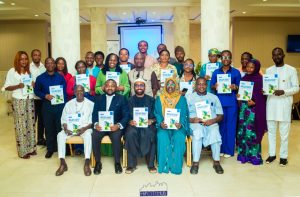
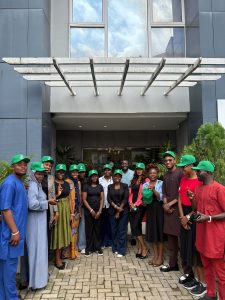
The U-Save Foundation has inducted 14 fellows into its 2026/2027 Fellowship Programme, marking the commencement of a new cycle dedicated to learning, leadership, service and social impact.
The induction ceremony was held on Friday, October 2, 2026, at the WODDI NGO Centre, Tropic Galleria, Muhammadu Buhari Way, Abuja Municipal Area Council (AMAC).
The Project Coordinator, Mr. Stephen Silas, on behalf of the Executive Director, Mrs. Uju Rochas-Anwukah, formally welcomed the fellows and familiarised them with the programme’s activities, expectations and structure.
Speaking at the ceremony, Silas highlighted the fellowship’s core values of learning, leadership, service and impact. He also outlined key components of the programme, including attendance requirements, safeguarding measures and the fellowship project.
The U-Save Foundation is a Nigerian non-governmental, non-profit organisation established in May 2020, with a focus on improving the health and wellbeing of underserved communities through Water, Sanitation and Hygiene (WASH) interventions, while also addressing climate and environmental challenges.
Its areas of intervention include the provision of clean water through boreholes, water treatment and other sustainable solutions, as well as sanitation and hygiene promotion, including toilet construction and rehabilitation, handwashing promotion and efforts to reduce open defecation.
The organisation also promotes climate education in communities and schools, supports underserved students through education, scholarships and mentorship, and undertakes initiatives in waste management, environmental sustainability, community development and advocacy.
The Fellowship Programme is designed to equip young leaders and changemakers with knowledge, skills, mentorship and opportunities to create positive impact in their communities.
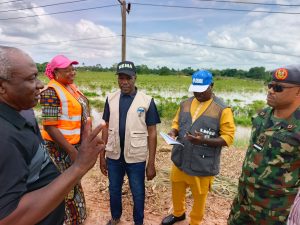
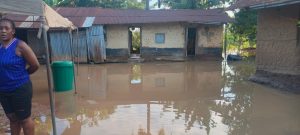
The 2026/2027 cycle provides opportunities for leadership development, project management, community engagement and practical projects, including initiatives related to WASH, nutrition and climate resilience.
The programme is expected to further equip the fellows with the capacity to contribute meaningfully to their communities and support sustainable development.