BPP DG Charges 700 Procurement Officers to Champion Transparency, Reforms
By Pan Afric Reporters
The Director-General of the Bureau of Public Procurement (BPP), Dr. Adebowale A. Adedokun, has charged procurement officers across Ministries, Departments and Agencies (MDAs) to champion transparency, accountability and value for money in public spending, warning that unethical procurement practices could undermine critical national development projects.
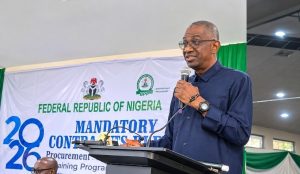
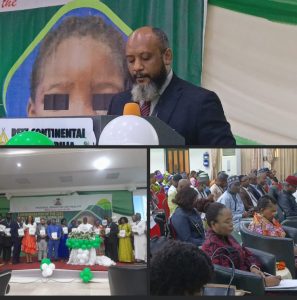
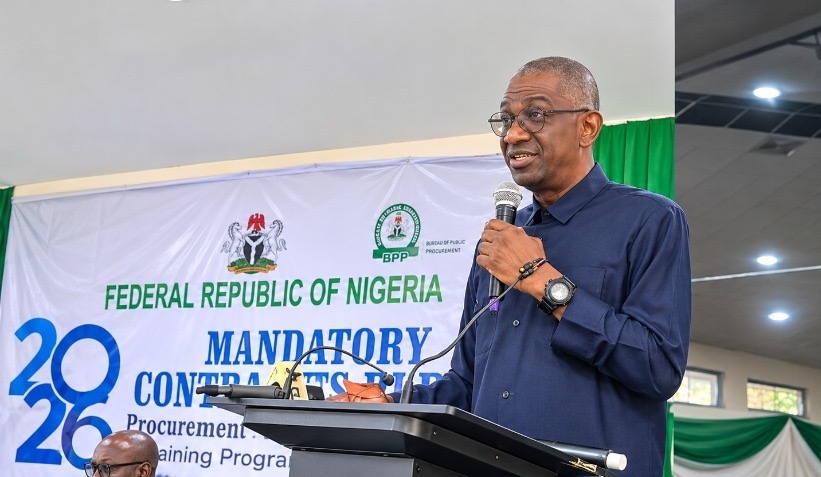
Adedokun gave the charge at the commencement of the second batch of the 2026 Mandatory Continuous Public Procurement Capacity Development Training Programme (MCPPCDTP) on Monday, November 9, at the Petroleum Technology Development Fund (PTDF) Centre for Skill Development and Training, Port Harcourt, Rivers State, according to a press release issued by the BPP’s Head of Information and Public Relations, Chijioke-Adindu Ijeoma.
Represented by the Director of Civil Infrastructure Department, Engr. Nasir Bello, the BPP chief said the training was designed to equip participants with a comprehensive understanding of procurement principles, processes, regulations, ethics and best practices under the Public Procurement Act, 2007.
He commended President Bola Ahmed Tinubu for his leadership and support for the Renewed Hope Agenda, particularly reforms aimed at strengthening procurement, improving service delivery and ensuring that public resources translate into measurable development outcomes.
“With the unwavering support and commitment of Mr. President, the Bureau has continued to implement procurement reforms aimed at improving transparency and accountability, reducing wastage, strengthening procurement planning, promoting local content and ensuring greater value for public expenditure,” Adedokun said.
He stressed that public procurement must evolve from a routine administrative procedure into “a strategic instrument for institutional integrity, economic growth and national development,” describing procurement officers as the first line of defence against inefficiency, irregularities and unethical practices.
The Director-General identified key reforms being implemented by the Bureau to include the Nigeria First Policy, Debarment Policy, Affirmative Procurement, digitalisation initiatives, Price Intelligence and Benchmarking, Contractor Classification and Categorisation, as well as the National Procurement Community of Practice involving the BPP and procurement leadership across the 36 states.
He said the Community of Practice would promote peer learning, knowledge sharing, capacity development and harmonisation of procurement standards nationwide.
“It should help move us towards a procurement system where the Federal Government and the 36 states are not isolated entities, but partners in building a stronger national procurement ecosystem,” he stated.
Adedokun urged about 700 procurement officers participating in both batches of the programme to demonstrate diligence, professionalism and integrity, warning that compromised evaluations, poorly prepared contracts and unethical practices could lead to failed road projects, unequipped hospitals and abandoned schools.
“Every naira of public expenditure must deliver measurable value,” he emphasised, adding that effective procurement requires competence, integrity, courage and sound professional judgement.
He further described public procurement as a critical driver of investment, job creation and human capital development, noting that it could strengthen local industries, build investor confidence and create opportunities for Micro, Small and Medium Enterprises (MSMEs) and young entrepreneurs.
Declaring the second batch of the 2026 training programme open, the BPP Director-General urged participants to champion transparency, embrace technology and data-driven approaches, and improve procurement efficiency and service delivery across their respective MDAs.