Act Now or Pay Later: Nigeria Faces Inevitable Pandemic Threat, FG Warns
retrained 79,000 health workers to strengthen emergency response capacity.
By Onwe Wisdom, Pan Afric Reporters
Nigeria must urgently strengthen its health systems and crisis response capacity or risk severe consequences from the next global disease outbreak, the Federal Government cautioned.
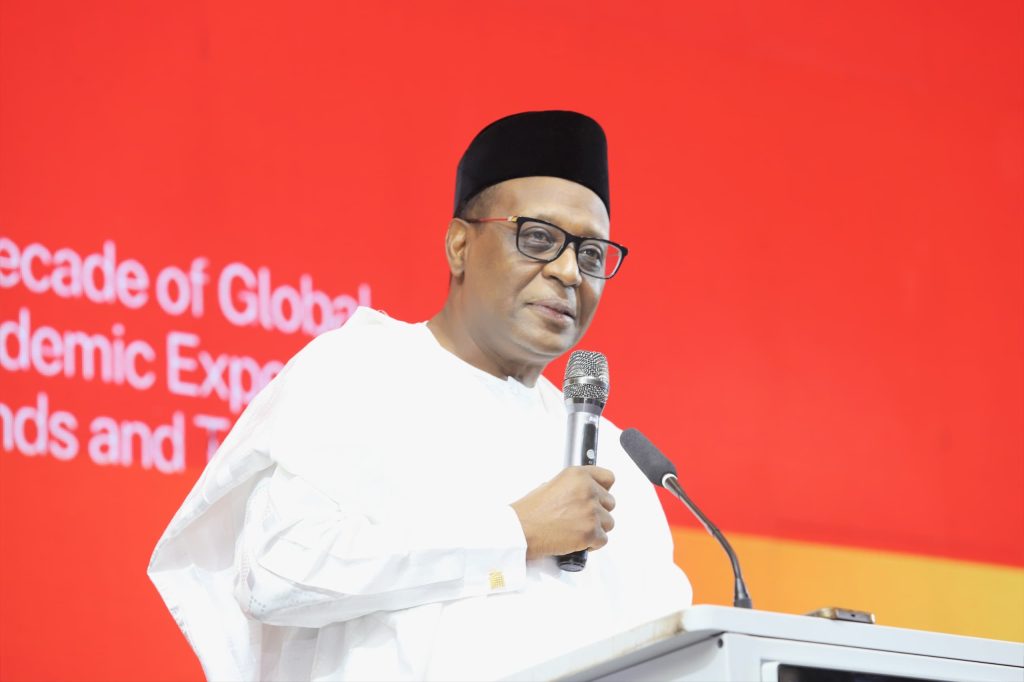
The warning was issued by the Coordinating Minister of Health and Social Welfare, Muhammad Ali Pate, at a high-level public health symposium held today at Transcorp Hilton, Abuja with focused on pandemic preparedness and response, drawing lessons from Nigeria and China.
Highlighting recent scientific findings, Pate said evidence of human exposure to multiple deadly pathogens, including influenza, Ebola and coronaviruses reinforces the ever-present danger of emerging infectious diseases. “That brought home the risk that we constantly face,” he said.
He explained that outbreaks, if not swiftly contained, can spiral into epidemics and eventually global pandemics. “Pandemics do not start overnight; they start from an outbreak and grow until they cover the entire world,” he noted, referencing historical events such as the Spanish flu and COVID-19 pandemic.
The minister stressed that pandemics extend beyond health concerns, posing serious economic and national security risks. “It is not just a purely public health issue, it is an economic security issue and also a national security issue,” he said, recalling the global disruption caused by COVID-19 and Nigeria’s experience during the Ebola outbreak in 2014.
Pate called for sustained investment in resilient health infrastructure, strong institutions and a well-trained workforce, insisting that preparedness must be proactive rather than reactive. He also emphasised the role of community trust, local manufacturing of medical supplies and protection of frontline workers.
According to him, nearly 79,000 health workers have been retrained in recent years to strengthen emergency response capacity. He further advocated increased investment in research, innovation and digital health systems, urging Nigeria to become a contributor to global health knowledge.
“It is not a matter of if, but when,” he warned.
Also speaking, the Minister of State for Health and Social Welfare, Iziaq Salako, described pandemics as some of the most destructive forces in human history, stressing the need for continuous preparedness.
Reflecting on COVID-19, which claimed over seven million lives globally, Salako said the crisis exposed systemic weaknesses worldwide but noted that Nigeria demonstrated resilience despite its limitations. He called for stronger international cooperation and a whole-of-society approach to future health emergencies.
The World Health Organisation Country Representative in Nigeria, Pavid Ursu, underscored the importance of global solidarity, warning that no country can tackle pandemics alone.
“Pathogens often spread faster than the systems designed to contain them,” he said, highlighting early detection, transparent data sharing and robust surveillance as critical tools.
Meanwhile, China’s Ambassador to Nigeria, Yu Dunhai called for deeper bilateral cooperation, noting that virus mutations and cross-border transmission continue to complicate global health responses.
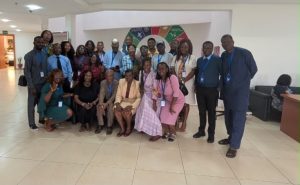
Stakeholders from key ministries, including agriculture, livestock development and environment, also emphasised the need for cross-sector collaboration and sustained investment, advocating the One Health approach as essential to building a pandemic-resilient Nigeria.