From Grid Collapses to Digital Control: How Nigeria’s Power Transmission Network Is Undergoing a Quiet Revolution
Pan Afric Reporters
After decades of recurring grid failures, unstable electricity supply, and aging transmission infrastructure, Nigeria’s power sector is witnessing a quiet but significant transformation driven by technology, digital innovation, and strategic investments aimed at strengthening the national electricity grid.
The reforms, initiated by the Transmission Company of Nigeria (TCN) and now being advanced by the Nigerian Independent System Operator (NISO), are gradually reshaping grid management, enhancing operational visibility, and improving the reliability of electricity transmission across the country.
The development was highlighted in a statement by NISO management, which outlined the evolution of Nigeria’s transmission network and the technological interventions introduced under the leadership of former TCN Managing Director and Chief Executive Officer, Engr. (Dr.) Sule Ahmed Abdulaziz. The statement noted that many of the digital reforms pioneered by TCN have now been inherited and are being sustained by NISO following the unbundling of System Operations and Market Operations from TCN.
For many years, the phrase “national grid collapse” became synonymous with Nigeria’s electricity challenges as outdated infrastructure and limited monitoring systems struggled to cope with growing demand from households, industries, and businesses.
However, industry stakeholders say the narrative is changing as the power sector embraces modern technologies capable of providing real-time visibility and more effective management of electricity transmission nationwide.
At the heart of the transformation is the modernization of operations at the National Control Centre (NCC), where engineers oversee the flow of electricity through transmission lines and substations across the country.
According to the statement, TCN embarked on an ambitious digitalization programme aimed at replacing obsolete systems inherited from the former National Electric Power Authority (NEPA) era with more efficient and responsive technologies.
One of the landmark achievements of the initiative was the deployment of an indigenous Internet of Things (IoT)-based monitoring solution developed by Nigerian engineers within TCN.
The innovation enabled near real-time acquisition of operational data from generation stations and transmission substations nationwide, significantly improving the ability of grid controllers to monitor and respond to system conditions.
For the first time, operators gained digital visibility into a substantial portion of the national grid, providing critical information needed to manage power flows and reduce operational inefficiencies.
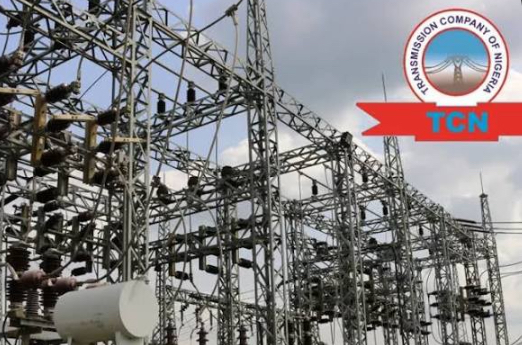
Beyond digital solutions, the transformation has also involved extensive infrastructure upgrades under the Nigerian Electricity Grid Maintenance, Expansion and Rehabilitation Programme (NEGMERP).
Through the programme, aging transmission lines have been rehabilitated, obsolete transformers replaced with higher-capacity units, and new substations constructed to strengthen the grid and support increased electricity demand.
The impact of these interventions has become increasingly evident in recent years.
Nigeria recorded multiple power generation milestones under the current management, including an all-time generation peak of 5,802 megawatts. More notably, the national grid remained stable for 421 consecutive days—from July 20, 2022, to September 13, 2023—without experiencing a system collapse, a feat many industry experts previously considered unattainable.
The statement further revealed that another major component of the modernization drive is the deployment of a new Supervisory Control and Data Acquisition/Energy Management System (SCADA/EMS), a project initiated by TCN and now being continued by NISO.
The system is expected to replace outdated control infrastructure with a modern automated platform capable of supporting advanced grid monitoring, communication, and system management.
While awaiting the full deployment of the SCADA/EMS project, the organisation adopted a dual-track strategy by implementing smaller digital innovations capable of delivering immediate operational benefits while pursuing long-term modernization goals.
Industry observers believe this combination of strategic infrastructure investment and technology-driven reforms is laying the foundation for a more resilient and efficient electricity transmission system.
According to the statement, the ongoing transformation is expected to deliver a future where electricity transmission becomes “more regular, more stable, more reliable and more predictable,” ultimately improving power supply to consumers and supporting economic growth.
As Nigeria continues its journey toward a more robust electricity market, stakeholders say the success of these reforms will be crucial in restoring public confidence in the national grid and unlocking the full potential of the country’s power sector.