World Milk Day: FG Unveils Bold Plan to Empower 37,000 Women, Youth Through Dairy Revolution

By Onwe Wisdom, Pan Afric Reporters
The Federal Government has reaffirmed its commitment to transforming Nigeria’s dairy industry through gender-responsive policies and targeted investments aimed at empowering women and young people, boosting local milk production, and strengthening national food security.
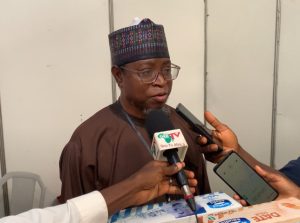
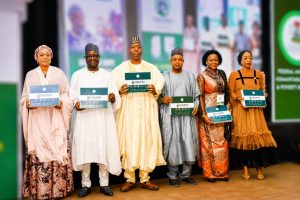
The commitment was reiterated by the Honourable Minister of Livestock Development, Alhaji Idi Mukhtar Maiha, during the 2026 World Milk Day Press Briefing held in Abuja after a road walk to commemorate the global event. The Minister said the government is intensifying efforts to build an inclusive and sustainable dairy sector capable of creating jobs, improving nutrition, and driving economic growth.
The position was contained in a statement issued by the Federal Ministry of Livestock Development and signed by Henrietta Okokon, Deputy Director, Information and Public Relations, on May 30, 2026.
Represented at the event by his Senior Special Assistant, Professor Eustace Iyayi, Maiha noted that the establishment of the Federal Ministry of Livestock Development by President Bola Ahmed Tinubu under the Renewed Hope Agenda has laid the foundation for one of the most coordinated livestock and dairy sector reforms in Nigeria’s recent history.
According to the Minister, a major milestone in the ongoing transformation process is the validation of the National Dairy Policy Implementation Framework following a stakeholders’ engagement convened by the Ministry in November 2025.
He disclosed that the framework, scheduled for official unveiling on June 1, 2026, provides a comprehensive roadmap for translating national dairy policy objectives into measurable and sustainable outcomes.
Maiha explained that under the National Livestock Growth Acceleration Strategy (NL-GAS), the Ministry is scaling up investments in critical areas including feed and fodder development, animal health services, genetic improvement, dairy hubs, milk aggregation centres, cold chain infrastructure, and climate-smart livestock systems.
He said the interventions are designed to stimulate dairy industrialisation, improve productivity, and reduce the country’s dependence on imported dairy products.
The Minister further announced plans for the proposed Women and Youth in Livestock Empowerment Initiative, a strategic programme expected to create economic opportunities for about 37,000 women and young Nigerians across livestock value chains, particularly in dairy production, processing, marketing, and agribusiness.
“As we celebrate women dairy farmers this year, we recognise their critical role in strengthening household nutrition, supporting rural livelihoods, and driving agricultural growth. Our goal is to build an inclusive dairy industry that empowers women and youth while contributing to national food security and economic development,” Maiha stated.
He revealed that the initiative, which is currently undergoing final stakeholder consultations and programme design, would provide beneficiaries with skills acquisition, enterprise development support, access to finance, technology transfer, cooperative strengthening, and market integration opportunities.
Earlier, the Permanent Secretary of the Ministry, Dr. Chinyere Ijeoma Akujobi, represented by the Director of Ruminant and Monogastric Development, Mr. Victor Egbon, described the World Milk Day road walk as a demonstration of stakeholders’ shared commitment to improved nutrition, healthier lifestyles, sustainable livestock development, and the growth of Nigeria’s dairy industry.
She noted that this year’s theme, “Celebrating Women Farmers,” appropriately acknowledges the enormous contributions of women to dairy production, household nutrition, food security, and rural economic transformation.
“The theme highlights the invaluable role women continue to play in strengthening the dairy value chain and supporting national development,” she said.
Goodwill messages were delivered by representatives of the Federal Ministry of Industry, Trade and Investment, the Danish Embassy, and the Commercial Dairy Ranchers Association of Nigeria (CODRAN), all of whom pledged continued support for efforts aimed at strengthening Nigeria’s dairy sector through strategic investments, partnerships, and innovation.
The event attracted key stakeholders from across the dairy value chain, including development partners, industry operators, researchers, policymakers, and private sector investors committed to advancing livestock and dairy development in Nigeria.
Observers say the government’s renewed focus on dairy development could significantly reduce the nation’s dairy import bill, create employment opportunities, improve rural incomes, and enhance food and nutrition security if effectively implemented.