Nigeria Set for Digital Broadcasting Revolution as FG Secures Industry Consensus on DSO Rollout
By Pan Afric Reporters
Nigeria is poised to accelerate its long-delayed transition to digital broadcasting following a major breakthrough that saw key stakeholders across the media, technology, and communications sectors reach a broad consensus on the implementation of the Digital Switch Over (DSO) programme.
The Federal Government described the development as a significant milestone in the country’s broadcasting reform agenda, saying the agreement paves the way for a more competitive, innovative, and economically viable digital media ecosystem.
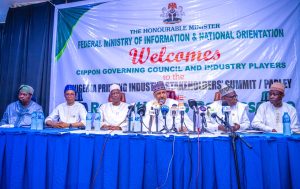
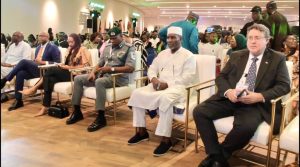
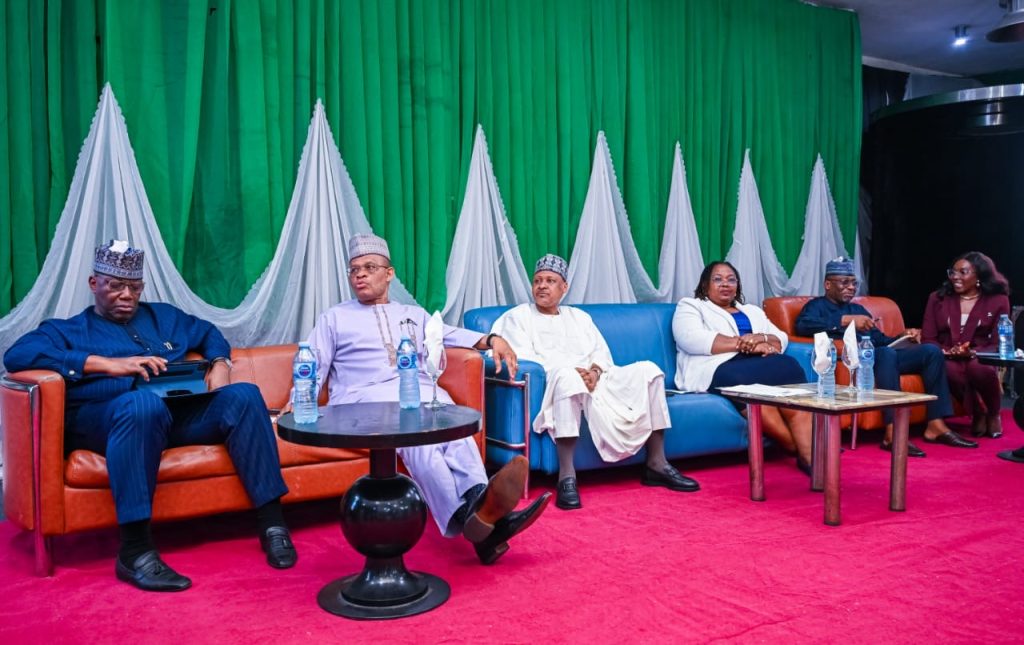
According to a statement issued by the Federal Ministry of Information and National Orientation (FMINO) and signed by Rabiu Ibrahim, Special Assistant (Media) to the Honourable Minister of Information and National Orientation, the breakthrough was achieved during a high-level stakeholder engagement convened in Abuja by the Minister of Information and National Orientation, Mohammed Idris.
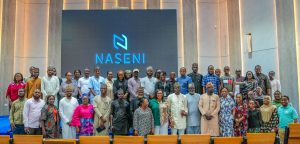
The meeting brought together regulators, broadcasters, signal distributors, content creators, satellite operators, manufacturers, and other critical industry players to resolve lingering issues surrounding the implementation of the DSO programme.
Addressing participants, Minister Idris commended stakeholders for demonstrating a strong commitment to national development and the future of Nigeria’s broadcasting industry.
He said the meeting ended with wide-ranging agreements on critical aspects of the digital transition, including the adoption of a hybrid broadcasting model, the continued relevance of Digital Terrestrial Television (DTT), enhanced investment protection measures, and sustained stakeholder engagement.
“The level of agreement we have achieved shows that stakeholders are aligned on the future of Nigeria’s broadcasting industry. This is a strong foundation for accelerated implementation,” Idris stated.
The Minister described the consensus as a clear indication that the industry is prepared to embrace the digital future and unlock new opportunities for economic growth.
According to him, stakeholders collectively acknowledged that the Digital Switch Over programme goes far beyond a technological upgrade, representing a transformative initiative capable of creating jobs, stimulating local content production, attracting investment, and strengthening Nigeria’s creative economy.
“The DSO is not merely a technical migration, but a transformational initiative capable of expanding jobs, boosting local content production, attracting investment, and strengthening Nigeria’s creative economy,” the Minister emphasized.
Idris further assured industry operators that the Federal Government remains committed to providing a stable regulatory environment that protects investments and guarantees an inclusive transition process.
“The Federal Government is deeply appreciative of the collaborative spirit demonstrated by all parties. The outcome reflects a mature understanding of national priorities over sectoral interests,” he added.
The communiqué issued at the end of the meeting highlighted several key resolutions, including the need for periodic stakeholder consultations, improved business models for broadcasters, enhanced local content development, and increased support for local manufacturing within the digital broadcasting value chain.
Stakeholders also recommended the institutionalisation of quarterly engagement sessions to ensure continuous alignment, effective monitoring, and timely resolution of emerging challenges during the DSO rollout.
The Federal Government reiterated its commitment to working closely with industry players to ensure the successful implementation of the programme and the realization of its economic and social benefits for Nigerians.
The meeting concluded with a collective pledge by stakeholders to fast-track the digital transition in a manner that promotes sustainability, innovation, investment growth, and shared prosperity across the broadcasting sector.
Among those who attended the strategic meeting were the Permanent Secretary of the Federal Ministry of Information and National Orientation, Dr. Binyerem C. Ukaire; the Director-General of Nigerian Communications Satellite Limited, Mrs. Jane Egerton-Idehen; the Director-General of National Broadcasting Commission, Mr. Charles Ebuebu; the Director-General of Nigerian Television Authority, Mr. Salihu Abdullahi Dembos; the Director-General of Advertising Regulatory Council of Nigeria, Dr. Olalekan Olumuyiwa Fadolapo; Chairman of the Broadcasting Organisations of Nigeria, Senior High Chief Tony Akiotu; and Chairman of Channels Television, Mr. John Momoh, alongside other leading figures in Nigeria’s media and communications industry.
Industry observers say the latest breakthrough could finally provide the momentum needed to complete Nigeria’s migration from analogue to digital broadcasting, a reform expected to improve broadcast quality, expand spectrum efficiency, create employment opportunities, and position the country for greater competitiveness in the global digital economy.