ICPC Seeks Indonesian Lessons, Stronger Global Partnerships to Deepen Nigeria’s Anti-Corruption Fight
By Pan Afric Reporters
The Independent Corrupt Practices and Other Related Offences Commission (ICPC) has called for stronger international cooperation and the adoption of proven global best practices as Nigeria intensifies efforts to combat corruption and strengthen institutional accountability.
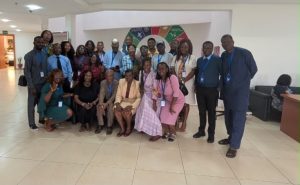
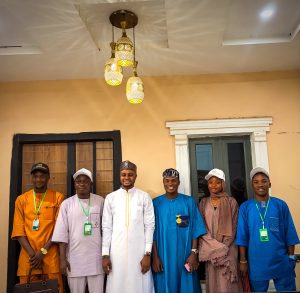
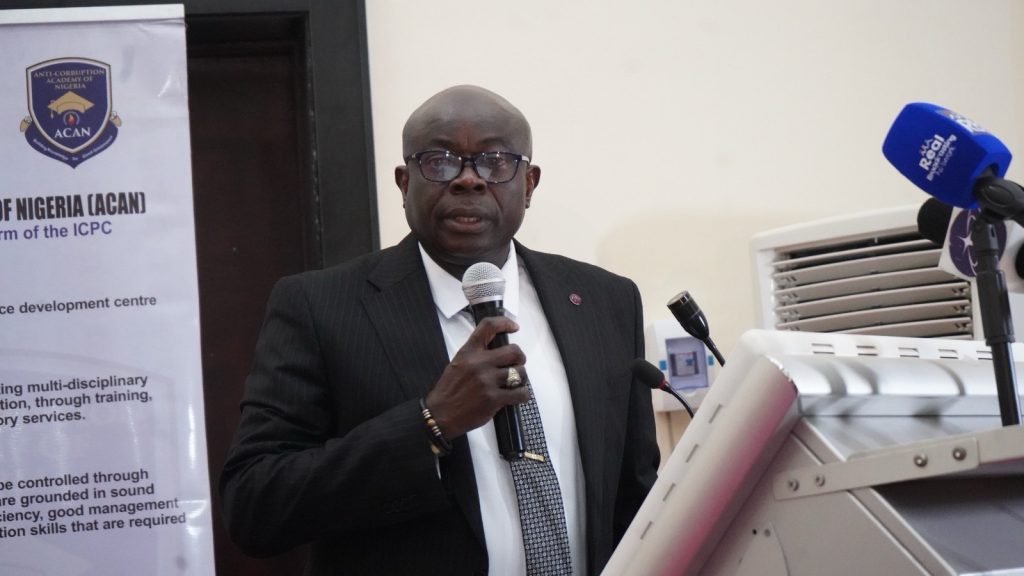
The call was made by the ICPC Chairman, Dr. Musa Adamu Aliyu, SAN, at the second edition of the International Diplomatic Dialogue organised by the Anti-Corruption Academy of Nigeria (ACAN), the Commission’s research and training arm, in Abuja.
According to a press statement issued by J. Okor Odey, Head, Media and Public Communications, ICPC, the dialogue, held on Monday, was themed “Experience Sharing in Anti-Corruption Strategy: The Indonesian Perspective.”
Represented at the event by the Secretary to the Commission, Mr. Clifford Okwudiri Oparaodu, DSSRS, Aliyu said corruption remained a global challenge with serious political, socio-economic and developmental consequences, making international experience-sharing critical to strengthening national responses.
“Countries can strengthen their responses by learning from approaches that have proved effective in other jurisdictions.”
ICPC highlights Indonesia’s anti-graft experience
The ICPC chairman specifically identified Indonesia’s experience, particularly the activities of its Corruption Eradication Commission (KPK), as a valuable reference point for Nigeria’s ongoing anti-corruption reforms.
He said studying international best practices and identifying innovative measures that could be adapted to Nigeria’s peculiar circumstances would help strengthen the country’s anti-corruption architecture.
Aliyu added that the Diplomatic Dialogue demonstrated the commitment of ICPC and ACAN to international cooperation, evidence-based approaches to corruption prevention and the promotion of integrity, transparency and accountability across both the public and private sectors.
He expressed appreciation to the Indonesian Ambassador to Nigeria for sharing the country’s experience, noting that the engagement would further deepen relations between Nigeria and Indonesia while reinforcing their shared commitment to good governance and ethical leadership.
ACAN links anti-corruption drive to Bandung spirit
The Provost of ACAN, Professor Sheriff Ghali Ibrahim, said Indonesia’s contribution to international solidarity and cooperation among developing countries dates back to the 1955 Bandung Conference.
Ibrahim drew a connection between the “Bandung spirit” and contemporary efforts by developing countries to confront corruption, injustice and governance challenges.
He said Indonesia offered important lessons for African countries, particularly through an anti-corruption strategy combining preventive education, asset disclosure and criminal prosecution, with the KPK playing a central role.
Indonesian envoy outlines KPK’s anti-corruption model
In her keynote address delivered on behalf of the Indonesian Ambassador to Nigeria, Mrs. Tuty Dityawanty, Minister Counsellor for Political Affairs, outlined Indonesia’s experience with the KPK and its role in the country’s fight against corruption.
Dityawanty explained that the KPK, established in 2003 as a specialised anti-corruption institution, has responsibilities covering coordination and supervision of other anti-corruption bodies, investigation and prosecution of corruption cases, prevention of corrupt practices and monitoring of state governance.
She said the agency had prosecuted and secured convictions against several high-profile public officials, including ministers, governors, lawmakers and judges.
However, she acknowledged that Indonesia continued to face corruption challenges, particularly bribery associated with public services and business licensing.
‘Public confidence key to anti-corruption success’
The Indonesian representative identified public support and confidence as critical factors in the effectiveness of the country’s anti-corruption campaign.
According to her, the prosecution of powerful individuals has helped to challenge the culture of impunity and demonstrate that corruption offences can attract consequences regardless of the status of the offender.
She also highlighted Indonesia’s asset-declaration regime, under which public officials, civil servants, executives of state-owned enterprises and other senior officials are required to disclose their assets through the State Administrator Asset Report (LHKPN) administered by the KPK.
Dityawanty stressed that Indonesia’s progress in combating corruption was not the product of a single intervention but the result of sustained institutional commitment, effective enforcement, transparency, public support and deliberate policy choices.
ICPC, Indonesia deepen anti-graft cooperation
The International Diplomatic Dialogue, according to ICPC, is designed by ACAN to facilitate the exchange of experiences among countries and strengthen international cooperation in the fight against corruption.
The Commission said the engagement with Indonesia would provide useful insights for Nigeria as it continues to strengthen preventive mechanisms, institutional capacity, enforcement strategies and public participation in the fight against corruption.
The dialogue also reinforced the importance of adapting international best practices to Nigeria’s domestic realities while building stronger partnerships with countries and institutions that share the objective of promoting transparent, accountable and ethical governance.