ICPC, Attorneys-General Move to Build Unified National Anti-Corruption Response, as AGF, CCB, EFCC, NFIU Pledge Support
Pan Afric Reporters
The Independent Corrupt Practices and Other Related Offences Commission (ICPC) has called for a coordinated, evidence-based national response to corruption, with its Chairman, Dr. Musa Adamu Aliyu, SAN, warning that Nigeria’s anti-graft institutions cannot succeed working in isolation from the offices of Attorneys-General across the federation.
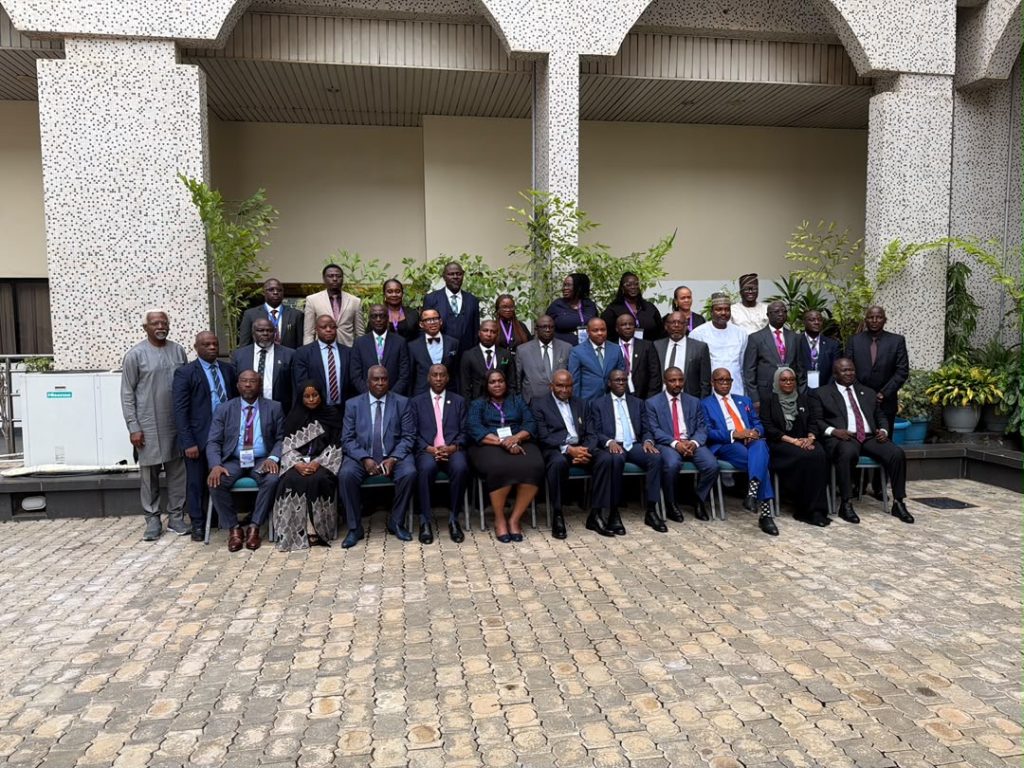
Speaking at the ICPC National Roundtable with Attorneys-General, themed “Strengthening Synergy Between Attorneys-General and ICPC for a Unified National Response,” held on August 13, 2026, at Rockview Hotel Royale, Abuja, Aliyu cited a Commonwealth Africa Anti-Corruption Centre (CAACC) study showing bribery, embezzlement and abuse of office as Nigeria’s most prevalent corruption typologies. He proposed five collaboration pillars — institutional independence, prevention and systems reform, coordinated enforcement, information sharing, and formalised Federal-State partnership — anchored on the National Anti-Corruption Strategy 2022–2026.
The ICPC chairman disclosed that the Commission is working with the Nigerian Law School and university law faculties to institutionalise anti-corruption education in legal training, following stakeholder workshops held in Abuja and Kano between May and July 2026. He also addressed concerns that anti-corruption petitions could be misused for political victimisation, insisting that ICPC processes are guided strictly by evidence, law and the public interest. “The fight against corruption will not be won by the ICPC acting alone,” Aliyu said, stressing that Nigeria’s institutions must strengthen the connections between them rather than work in fragmented isolation.
In an address delivered on his behalf by Mrs Victoria Ojomole, the Attorney-General of the Federation and Minister of Justice, Prince Lateef Olasunkanmi Fagbemi, SAN, described the gathering as “the deliberate construction of a national prosecution coalition against corruption.” He said the relationship between anti-corruption agencies and Attorneys-General has long suffered from structural under-coordination, with investigations and information sharing remaining episodic rather than systematic.
Fagbemi disclosed that the ICPC investigated 263 cases and filed 61 in court in 2025, achieving a 55.74 percent conviction rate while recovering N37.44 billion and 2.35 million US dollars in assets. He described Attorneys-General as the ICPC’s “force multiplier” at the state level, and said he expected the Roundtable to produce concrete commitments, including a designated anti-corruption focal point in every Attorney-General’s office and an agreed protocol for case referral and joint prosecution.
In goodwill messages, the Chairman of the Code of Conduct Bureau (CCB), Dr. Abdullahi Usman Bello, said no single agency can fight corruption alone, disclosing that the Bureau has developed an Online Asset and Liabilities Declaration System ready for deployment and is deploying artificial intelligence tools to strengthen asset verification. In remarks delivered on her behalf by Mr Felix Obiamalu, the Chief Executive Officer of the Nigerian Financial Intelligence Unit (NFIU) commended the ICPC for recognising the importance of Attorneys-General, noting that no agency has an exhaustive mandate and citing Nigeria’s recent exit from the Financial Action Task Force (FATF) grey list as a tangible win of interagency collaboration.
A former Attorney-General of the Federation, Chief Kanu Agabi, SAN, urged all present to look inward and act in the nation’s best interest, warning that everyone would eventually reap the seeds they sow. He said the ICPC’s strides in the fight against corruption often appear modest only because of the sheer enormity of the problem it confronts.
The Secretary to the Economic and Financial Crimes Commission (EFCC), Muhammad Hassan Hammajoda, representing the Commission’s Executive Chairman, said greater synergy between the ICPC, EFCC, Attorneys-General and other agencies would minimise institutional gaps and strengthen accountability throughout the justice chain, reaffirming the EFCC’s commitment to continued partnership.
The Roundtable builds on a national conference the ICPC convened with State Attorneys-General in 2024 and six zonal engagements held in 2025 across Kano, Asaba, Ilorin, Enugu, Maiduguri and Lagos.
It brought together Attorneys-General from across the federation, alongside representatives of key anti-corruption and justice sector institutions, in a renewed push for a coordinated national front against corruption.