Fuel Subsidy Return Will Reverse Nigeria’s Economic Gains, Idris Warns
By Pan Afric Reporters
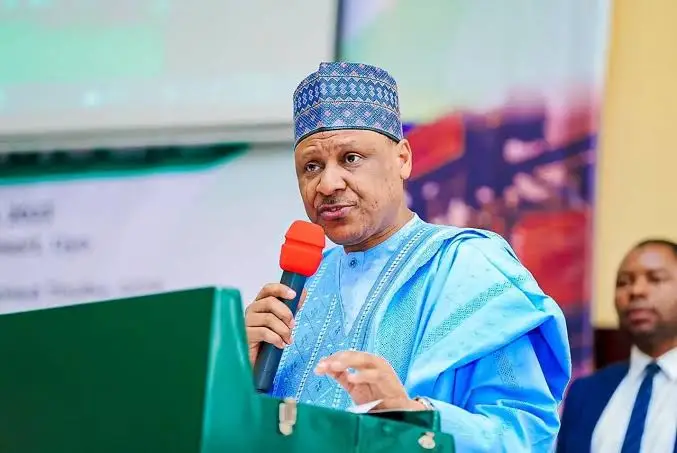
The Minister of Information and National Orientation, Mohammed Idris, has warned that any attempt to restore petrol subsidy could undermine Nigeria’s improving fiscal position, weaken investor confidence and reverse gains recorded from the economic reforms of the President Bola Ahmed Tinubu administration.
The warning was contained in an Op-Ed published in national newspapers on Monday, titled “Restoring Fuel Subsidy Will Reverse Nigeria’s Economic Gains.” The statement was issued by Rabiu Ibrahim, mnipr, Special Assistant (Media) to the Minister of Information and National Orientation.
Idris argued that the removal of petrol subsidy had created significant fiscal space for governments at all levels, enabling increased spending on infrastructure, social programmes, security, human capital and other critical sectors.
According to him, restoring the subsidy would recreate the fiscal pressures, market distortions, scarcity and opportunities for arbitrage that characterised the previous regime.
“Restoring subsidy would almost instantly return Nigeria to the economic conditions of 2022, recreating the same fiscal pressures, distortions, scarcity and incentives for arbitrage that made the old system unsustainable,” Idris said.
The minister recalled that Nigeria spent about $10 billion on fuel subsidies in 2022, despite declining oil production and weak government revenues. He said the World Bank had at the time warned that the subsidy was consuming resources that could have been deployed to education, healthcare, infrastructure and social protection.
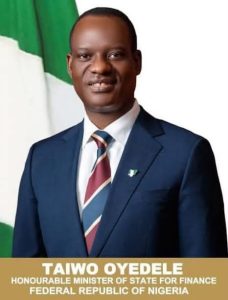
Citing the Federal Government’s recently presented Nigeria’s Reform Scorecard: The Benefits, Costs and Harms Prevented, Idris said the Minister of Finance and Coordinating Minister of the Economy, Dr Taiwo Oyedele, reported that subsidy savings released ₦15.8 trillion in resources to the Federation between June 2023 and December 2025.
He explained that the figure comprised approximately ₦5.43 trillion for the Federal Government, ₦6.52 trillion for states and ₦3.88 trillion for local governments, stressing that the ₦15.8 trillion represented resources released within the broader fiscal system rather than a separate pool of cash.
The minister said the additional fiscal space had strengthened the capacity of states and local governments to meet salary and pension obligations and invest in essential services, while also supporting federal spending on infrastructure, security, agriculture and human capital development.
Idris further disclosed that the Reform Scorecard recorded about ₦6.47 trillion in additional expenditure on strategic infrastructure, while more than ₦400 billion had been committed to major social investment initiatives, including NELFUND, the MOFI Real Estate Investment Fund, MREIF and CREDICORP.
He added that social transfers had reached more than 10 million Nigerian households, arguing that such interventions could be jeopardised if the country returned to the former subsidy regime.
The minister, however, acknowledged that the country was still bearing a substantial electricity subsidy estimated at ₦3.14 trillion between June 2023 and December 2025, warning that reintroducing petrol subsidy would create an additional burden on public finances.
Idris said the Organised Private Sector and other stakeholders in the economy had also cautioned against reversing the reform, stressing that Nigeria needed to maintain the current trajectory while addressing the economic challenges confronting citizens.
“Nigeria cannot build tomorrow’s economy by returning to yesterday’s unsustainable subsidy regime. We have moved beyond that model,” he said.
He urged Nigerians to assess the reforms within the context of long-term economic stability, arguing that sustaining the gains of the reforms would strengthen the country’s fiscal capacity and create the foundation for a more productive and resilient economy.