ICPC Warns Tertiary Institutions Against Corruption in TETFund Projects

By Pan Afric Reporters
The Independent Corrupt Practices and Other Related Offences Commission (ICPC) has warned heads of tertiary institutions against procurement irregularities, financial mismanagement and weak project supervision, urging them to strengthen internal controls to safeguard Tertiary Education Trust Fund (TETFund) interventions.
The Commission disclosed this in a press statement issued on Monday, November 2, 2026, and signed by its Head of Media and Public Communications, J. Okor Odey, following the opening of a two-day Organisational Integrity Management Capacity-Building Programme for officials of TETFund beneficiary institutions in Abuja.
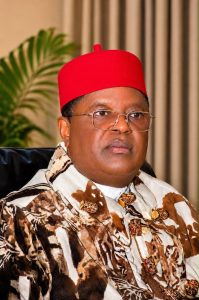
The ICPC Chairman, Dr Musa Adamu Aliyu, SAN, who declared the programme open, said investments in tertiary education could be undermined by weak procurement practices, inadequate project supervision, conflicts of interest, ineffective internal controls and financial mismanagement.
He stressed that institutions must demonstrate transparency and accountability in managing public resources to ensure that TETFund interventions achieve their intended objectives.
“Integrity must not exist merely in policy documents or institutional mission statements. It must be reflected in everyday decisions, administrative processes, and the management of public resources,” Aliyu said.
The ICPC chairman urged institutional leaders to enforce established procedures, demonstrate ethical conduct and establish effective channels for reporting misconduct without fear of retaliation.

He also called on participating institutions to institutionalise corruption risk assessments, improve documentation and segregation of duties, ensure independent project verification, and strengthen reporting and response mechanisms.
Aliyu further urged the institutions to develop measurable integrity plans, designate responsible officers, establish implementation timelines and track progress in addressing corruption risks.
“The success of this initiative should be measured not merely by attendance or participation, but by the improvements introduced in your respective institutions,” he stated.
The chairman reaffirmed the Commission’s commitment to corruption prevention through System Study and Review, Corruption Risk Assessment, the Ethics and Integrity Compliance Scorecard and capacity-building programmes conducted by the Anti-Corruption Academy of Nigeria (ACAN), ICPC’s training and research arm.
In his remarks, ACAN Provost, Professor Sheriff Ghali Ibrahim, said integrity in tertiary education must extend beyond institutional leadership to academic and non-academic staff as well as students.
He identified honesty, accountability and fairness as critical values for building trust and maintaining ethical standards in educational institutions.
Ibrahim urged tertiary institutions to collaborate with the ICPC in tackling administrative corruption, embezzlement, examination misconduct, the monetisation of marks, sexual harassment and the use of ghost workers.
He also commended TETFund for supporting the programme, describing it as an opportunity to strengthen governance and institutional integrity in the education sector.
Similarly, the Executive Secretary of TETFund, Arc. Sonny Echono, represented by the Director of Human Resources and General Administration, Dr Kolapo Okunlola, warned that funding alone could not guarantee development outcomes without accountable leadership and effective implementation.
Echono urged institutional heads to comply with procurement laws, financial regulations and TETFund guidelines, while taking responsibility for project outcomes and protecting individuals who report misconduct.
He reaffirmed TETFund’s commitment to transparency and accountability, urging participants to identify institutional vulnerabilities and apply lessons from the training to improve governance.
The TETFund chief stressed that the impact of interventions should be assessed not only by the funds disbursed but also by the integrity of their management and the improvements delivered in educational infrastructure, research and learning.
The programme is expected to strengthen accountability mechanisms in beneficiary institutions and ensure that public investments in tertiary education translate into measurable improvements in the quality of education.