Middle East Conflict and Its Implications for Nigeria’s Oil Revenue, Fuel Prices, and the 2026 Budget
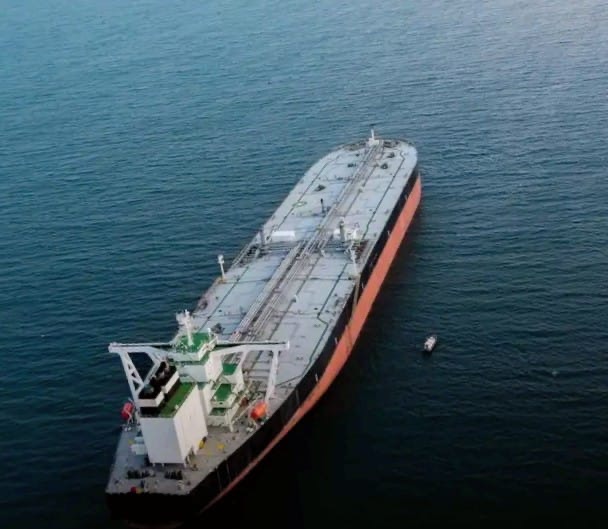
…for Nigeria, the conflict presents a complex mix of fiscal opportunities and economic challenges.
By Emmanuel Oduara, Pan Afric Reporters
Escalating tensions involving the United States, Israel, and Iran are once again placing global energy markets on edge. As hostilities intensify and maritime activity declines around the strategic Strait of Hormuz, the ripple effects are being felt across the global oil and gas industry.
For an oil-dependent economy such as Nigeria, the conflict presents a complex mix of opportunities and risks—particularly for government revenues, domestic fuel prices, and fiscal planning for the 2026 budget.
The Strait of Hormuz is widely regarded as the most critical chokepoint in global energy trade. Approximately 20 percent of the world’s crude oil supply transits the narrow waterway daily, connecting oil-rich Gulf producers to global markets. Countries such as Saudi Arabia, United Arab Emirates, Kuwait, Iraq and Qatar depend heavily on the route to export crude oil and liquefied natural gas (LNG).
Hypenews Reports gathered that reports of major disruptions to shipping activity in the area have heightened fears of supply shortages. In response, the White House has reportedly directed the United States Navy to escort commercial tankers through the waterway in an effort to maintain the “free flow of energy” to global markets. While the move aims to stabilize supply chains, it also underscores the seriousness of the geopolitical tensions currently unfolding in the region.
Rising Oil Prices and Nigeria’s Revenue Outlook
Historically, geopolitical instability in the Middle East tends to push crude oil prices upward as markets react to supply risks. If the current tensions escalate or persist, global crude benchmarks could experience sustained upward pressure.
For Nigeria, higher oil prices could translate into improved government revenues. Crude oil exports remain the backbone of Nigeria’s foreign exchange earnings and contribute significantly to government income. When international oil prices rise, the country typically benefits from increased export receipts and improved fiscal inflows.
Higher oil prices could therefore support revenue projections tied to the federal government’s 2026 fiscal framework.
Increased earnings from crude exports could help strengthen external reserves, stabilize the naira, and provide additional funding for infrastructure development and social programs.
However, this potential upside depends on Nigeria’s ability to maintain stable production levels. Production challenges—ranging from pipeline vandalism and oil theft to operational disruptions—have historically prevented the country from fully capitalizing on high global oil prices.
Pressure on Domestic Fuel Prices
While rising global crude prices may boost export revenues, they could simultaneously place pressure on domestic fuel prices in Nigeria. The country relies heavily on imported refined petroleum products due to limited domestic refining capacity.
As crude prices rise globally, the cost of importing refined products such as petrol, diesel, and aviation fuel typically increases. This can translate into higher pump prices for consumers, particularly in a market environment where fuel subsidies have been significantly reduced or removed.
Higher fuel prices have a direct impact on the broader economy. Transportation costs rise, inflationary pressures increase, and the cost of goods and services may climb across multiple sectors.
Although the operational ramp-up of domestic refining projects could mitigate some of these pressures in the long term, Nigeria’s fuel market remains sensitive to fluctuations in global crude oil prices.
Implications for the 2026 Federal Budget
Nigeria’s national budget is closely tied to assumptions about crude oil prices and production volumes. When global prices rise above benchmark levels used in budget projections, the government may experience revenue windfalls. Conversely, sudden price declines can create fiscal shortfalls.
In the current geopolitical environment, policymakers must navigate a delicate balance. On one hand, higher oil prices could improve government revenues and reduce fiscal deficits. On the other hand, volatile energy markets make long-term planning more challenging.
A prolonged Middle East conflict could also introduce broader global economic risks. If energy prices rise too sharply, they could trigger inflationary pressures and slow economic growth in major economies.
A slowdown in global economic activity would eventually reduce oil demand, potentially reversing price gains.
LNG and Gas Market Opportunities
Beyond crude oil, the crisis could also reshape the global natural gas market. Qatar, one of the world’s largest exporters of liquefied natural gas, ships most of its cargo through the Strait of Hormuz. Any disruption to LNG shipments could tighten global gas supply.
For Nigeria, this could present opportunities to expand its role as a gas supplier to international markets. The country possesses significant natural gas reserves and has been working to increase LNG exports through projects such as the expansion of the Nigeria LNG complex.
If global LNG supply becomes constrained due to disruptions in the Gulf region, buyers in Europe and Asia may look toward alternative suppliers—including Nigeria—to diversify their energy sources.
Strategic Implications for Nigeria’s Energy Sector
The unfolding crisis highlights the continued vulnerability of global energy markets to geopolitical conflict.
For Nigeria, the situation reinforces the importance of strengthening domestic energy security while maximizing the benefits of global market opportunities.
Improving oil production stability, expanding refining capacity, and accelerating gas development projects will be essential to ensuring that Nigeria can respond effectively to shifts in global energy dynamics.
At the same time, policymakers must carefully manage the domestic economic implications of rising energy prices, particularly their impact on inflation and household costs.
Outlook
As tensions between the United States, Israel, and Iran continue to evolve, global energy markets are likely to remain highly volatile. Developments in the Strait of Hormuz will be closely monitored by governments, investors, and energy companies worldwide.
For Nigeria, the conflict presents a complex mix of fiscal opportunities and economic challenges. While higher oil prices could boost national revenues, the broader consequences—including potential increases in domestic fuel costs and global economic uncertainty—will require careful policy responses.
Ultimately, the situation serves as a reminder that geopolitical events far beyond Nigeria’s borders can significantly influence the country’s economic outlook and energy sector performance.