Stakeholders Seek Stronger Collaboration on Human Rights Protection in Nigeria
By Pan Afric Reporters
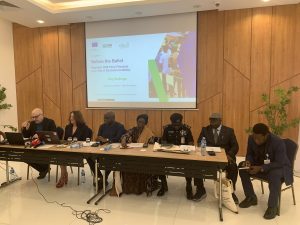
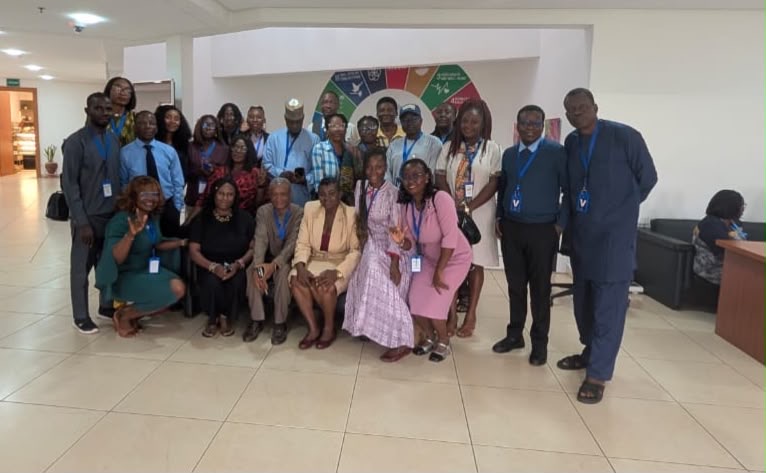
Stakeholders on Tuesday convened at the United Nations House in Abuja to review the human rights situation in Nigeria and deliberate on measures to strengthen human rights protection, justice and accountability across the country.
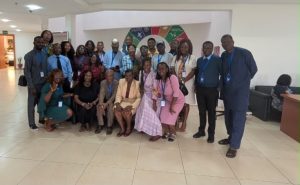
The meeting, organised by the Human Rights Agenda Network (HRAN), brought together representatives of government institutions, civil society organisations, development partners, the diplomatic community and other stakeholders to examine emerging human rights concerns and identify practical responses.
Declaring the meeting open, Co-Chair of HRAN, Mrs Ngozi Okere, said the network remained committed to strengthening collaboration and strategic action to advance human rights protection in Nigeria.
Okere said HRAN, established in 2009, had continued to promote human rights, democracy and the rule of law, noting that evolving challenges required the organisation and its partners to continuously adapt.
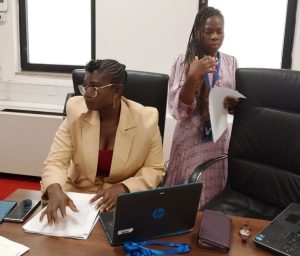
She identified shrinking civic space, gender-based violence, insecurity, cybercrime and limited access to justice among the challenges requiring coordinated interventions.
According to her, HRAN was undertaking restructuring and expansion to strengthen its capacity to respond effectively to human rights violations across the country.
She said the meeting would also provide an opportunity to strengthen internal systems, harness the expertise of member organisations, review the network’s 2026 work plan and develop a clear roadmap for 2027.
Representing the Executive Secretary of the National Human Rights Commission (NHRC), Deputy Director of the Commission, Dr Kelechi Akubueze, said the protection of human rights and the pursuit of justice were shared responsibilities requiring stronger collaboration among government institutions, civil society, the United Nations system, development partners, the media and communities.
Akubueze said the NHRC was mandated to promote and protect human rights, investigate alleged violations, assist victims in obtaining appropriate remedies, monitor the human rights situation in Nigeria and cooperate with national and international organisations.
He said the Commission’s Human Rights Situation Dashboard continued to provide evidence-based insights into emerging trends and violations, while its 2026 Human Rights Outlook highlighted concerns around insecurity, gender-based violence, civic freedoms, socio-economic pressures and access to justice.
He called for greater coordination among stakeholders, stressing the need to move from the documentation of violations to effective remedies and accountability.
According to him, accountability requires that alleged violations are properly documented and investigated, victims have access to justice and effective remedies, and perpetrators are held accountable in accordance with the law.
Akubueze also emphasised the importance of preserving civic space, noting that citizens should be able to speak, organise, assemble peacefully, participate in public affairs and hold institutions accountable.
He urged stakeholders to strengthen referral mechanisms, improve the sharing of credible human rights data, coordinate monitoring and advocacy, support victims and human rights defenders, and develop practical initiatives with measurable outcomes.
The meeting featured presentations on the human rights situation in Nigeria, including specific discussions on developments in the South-East, consideration of findings contained in the 2026 report, presentation of recommendations and interactive discussions among participants.
A presentation on the human rights situation in the South-East was delivered by Salami Abdulrahaman on behalf of the Executive Director of the Foundation for Environmental Rights, Advocacy and Development (FENRAD), Comrade Nelson Nnnana Nwafor.
Participants examined prevailing human rights concerns and discussed possible responses aimed at promoting accountability, justice, peace and the protection of fundamental rights.
The meeting concluded with further deliberations on the recommendations presented, with stakeholders emphasising sustained engagement, stronger partnerships and coordinated efforts to address human rights challenges across Nigeria.