BudgIT Urges States to Prioritise Development Spending as Revenue Rises
By Salami Abdulrahaman | Pan Afric Reporter, Abuja
The BudgIT Foundation has called on state governments to improve the management of public funds and prioritise spending on critical sectors that directly affect citizens’ welfare.
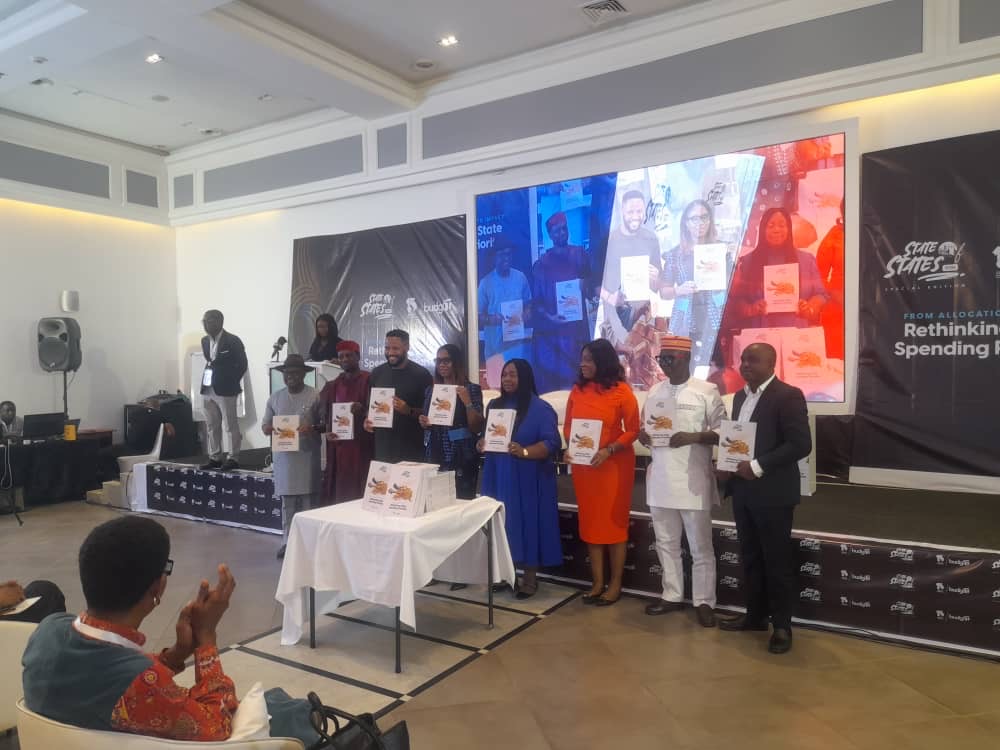
The call was made on Tuesday in Abuja during the launch of the 11th edition of its State of States Report, themed “From Allocation to Impact: Rethinking State Spending Priorities.”
Speaking at the event, BudgIT Country Director, Mr Vahyala Kwaga, said the organisation had revised its assessment methodology to examine not only how much revenue states generate but also how effectively they deploy public resources.
He said previous editions focused largely on Internally Generated Revenue (IGR), revenue growth and debt sustainability, with less attention given to whether government spending translated into improved education, healthcare and other essential services.
“This year, we are introducing a substantially revised methodology that expands the scope of our assessment beyond conventional measures of revenue growth, expenditure and debt sustainability,” Kwaga said.
He explained that the new approach places greater emphasis on spending in education, healthcare, agriculture, and Water, Sanitation and Hygiene (WASH), as well as the implementation of projects captured in state budgets.
According to him, the review followed feedback from policymakers, development practitioners and citizens who wanted the report to provide a clearer picture of how public spending affects service delivery.
Giving an overview of state finances, Kwaga disclosed that aggregate revenue across 34 states rose from about N4.99 trillion in 2022 to N15.53 trillion in 2025.
He added that allocations from the Federation Account increased from N3.43 trillion to N11.38 trillion within the same period, representing growth of more than 232 per cent.
Despite the significant increase in revenue, he questioned whether the additional resources had translated into improved public services.
Citing BudgIT’s first-half 2026 expenditure analysis, Kwaga said the 34 states had a combined approved budget of N35.22 trillion but spent only N8.60 trillion by the end of June, representing 24.4 per cent budget performance.
“The conversation cannot end with how much money states receive or how much they budget. We must also examine how effectively they deploy the resources available to them, what they prioritise and whether their spending is delivering the outcomes that citizens need,” he said.
Earlier, BudgIT’s Senior Research and Policy Analyst, Ms Oludamilola Onemano, explained that the revised methodology assesses states across four major areas: revenue performance, fiscal viability, debt sustainability and expenditure on critical sectors.
She said the assessment examines whether states can meet recurrent obligations, including salaries, pensions, wages and overhead costs, through their internally generated revenue.
Where IGR is insufficient, the methodology considers whether total revenue from Federation Account Allocation Committee (FAAC) allocations, grants and other sources can cover these obligations and debt servicing.
Onemano also highlighted the importance of debt sustainability, particularly the differences between domestic and foreign currency liabilities and the increasing burden of debt servicing on state finances.
She said education, healthcare, agriculture and WASH were selected because of their direct impact on citizens’ welfare.
However, she identified reliance on official state records, including audited financial statements and budget implementation reports, as a limitation of the assessment. She added that future editions would seek to incorporate citizens’ feedback and community-level assessments.
The event also featured a keynote address by Dr Iboro Nelson of the Department of Economics, Amadeus University, Abia State, while BudgIT’s Head of Research and Policy Advisory, Engr. Adejoke Akinbode, presented the report.
In his closing remarks, BudgIT Global Director, Mr Oluseun Onigbinde, urged stakeholders to sustain efforts towards promoting transparency, accountability and responsible management of public resources.
The report is expected to strengthen public scrutiny of state government finances by providing citizens, policymakers and civil society organisations with evidence to assess spending priorities, monitor budget implementation and demand greater accountability. It also reinforces the need for state governments to ensure that rising revenues translate into improved public services and better living conditions for citizens.