“FG Targets Zero Preventable Maternal Deaths, Rolls Out Nationwide Quality Care Reforms”

By Onwe Wisdom, Pan Afric Reporters
The Federal Government has reaffirmed its commitment to ending preventable maternal and newborn deaths, unveiling sweeping reforms and expanded interventions aimed at improving the quality of care for pregnant women across Nigeria.
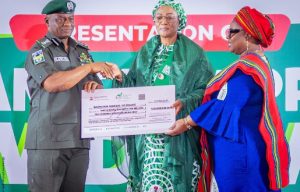
Speaking at the 2026 Safe Motherhood Day commemoration in Abuja, the Coordinating Minister of Health and Social Welfare declared that while Nigeria has made progress in expanding access to maternal health services, the focus must now shift decisively to quality, equity, and timely care.
Details of the government’s renewed strategy were contained in speeches delivered at the event by the Coordinating Minister of Health and Social Welfare and the Permanent Secretary of the Federal Ministry of Health and Social Welfare, made available by the ministry.
The Minister emphasized that the theme for this year—“Closing the Gap: From Coverage to Quality Care for Every Mother”—captures the urgency of ensuring that access translates into lifesaving outcomes.
“Access alone is not enough—what truly saves lives is the quality, timeliness, and equity of care provided to every woman, everywhere in Nigeria,” the Minister said.
Major Gains, Bold Targets
Highlighting key milestones, the Minister disclosed that the Maternal and Neonatal Mortality Reduction Innovation Initiative (MAMII) has now been activated in 32 states, driving targeted interventions to tackle leading causes of maternal and newborn deaths.
According to the Minister, the National Health Insurance Authority has also expanded financial access to emergency obstetric and newborn care, with over 32,000 women and 1,700 newborns already benefiting from lifesaving services across more than 250 health facilities.
“MAMII reflects our unwavering commitment to translating policy into action and accelerating progress towards safer motherhood,” he stated.
The Minister further revealed that Nigeria’s emergency medical response system has significantly improved, with 612 ambulances deployed across 340 local government areas, facilitating the transportation of nearly 79,000 patients, including about 47,000 pregnant women.
Expanding Reach, Strengthening Systems
In the past year alone, the government recorded a 20 percent increase in antenatal care attendance, alongside efforts to identify and link over 166,000 previously unregistered pregnant women to healthcare services in several northern states.
To boost service delivery, over 111,000 maternal care kits have been distributed nationwide, with additional supplies underway, while essential commodities have reached nearly 1.2 million women and newborns.
The government has also strengthened human resources in the sector, recruiting more than 2,000 skilled birth attendants and 3,000 community health workers across multiple states.
New Policies to Drive Quality Care
As part of efforts to institutionalize quality care, the Minister announced the rollout of new policy instruments, including updated antenatal care guidelines, clinical protocols, and life-saving skills training packages for frontline health workers.
“These interventions reflect a fundamental shift—from fragmented efforts to a more coordinated, systems-based approach,” the Minister noted.
Call for Collective Action
In his welcome address, the Permanent Secretary of the Federal Ministry of Health and Social Welfare stressed the importance of collaboration among stakeholders to achieve lasting impact.
“Coverage alone does not guarantee better outcomes. The quality of care—timely, skilled, and compassionate—remains the defining factor in saving lives,” he said.
He highlighted ongoing efforts to strengthen referral systems through the National Emergency Medical Service and Ambulance System (NEMSAS), expand emergency obstetric care services, and bring healthcare closer to communities.
“These efforts underscore our commitment to building a resilient health system—one that delivers not just services, but quality outcomes for every mother and every child,” he added.
‘Every Death is Preventable’
The ministery issued a strong call to action, urging state governments, health workers, development partners, and communities to intensify efforts toward reducing maternal mortality.
“Every maternal death is a tragedy. It is preventable. And it is unacceptable,” he declared.
He urged all stakeholders to move beyond commitments to concrete actions that ensure no woman dies while giving life.
“Together, we can close the gap… and ensure care that truly saves lives,” he said.
The Safe Motherhood Day commemoration serves as a national platform to galvanize action and reinforce Nigeria’s commitment to improving maternal and newborn health outcomes.